
How to Reduce Dust and Allergens in Your Home
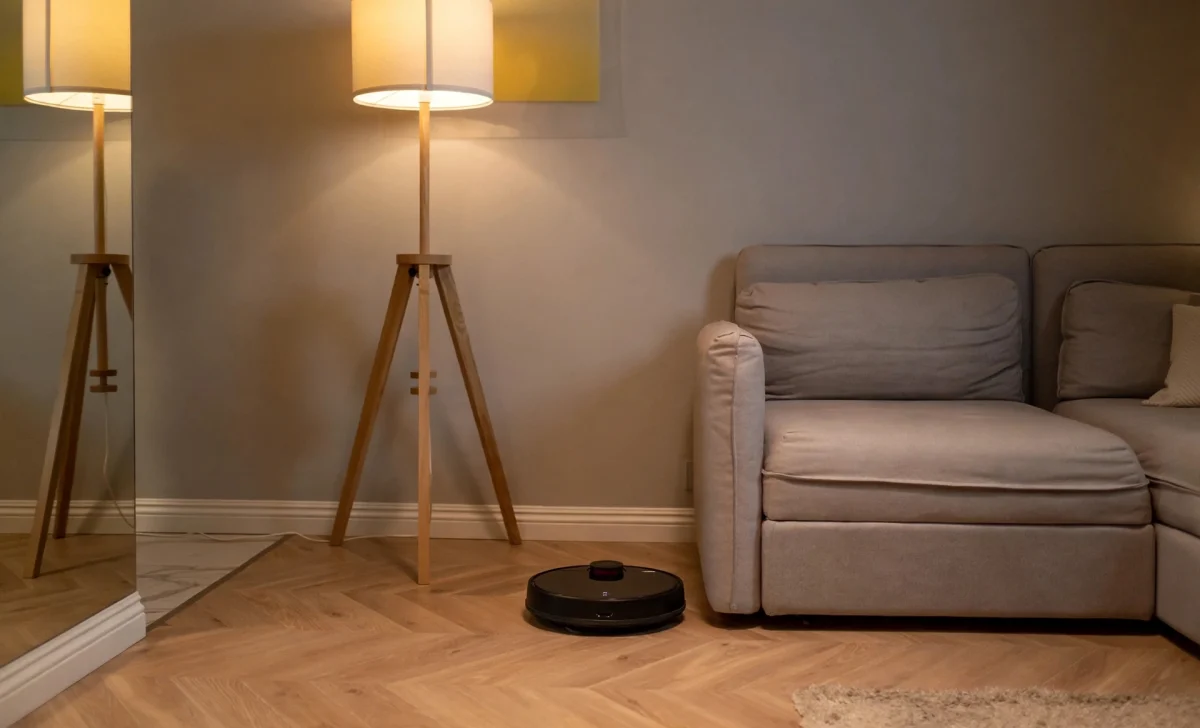
Household dust is rarely just dirt. It’s actually a blend of soil particles, fabric fibers, pollen, pet dander, skin flakes, and other microscopic debris that settles on nearly every surface in a home. No amount of cleaning will eliminate every allergen, but consistent routines can meaningfully cut down how much accumulates over time.
Key Takeaway: Effective dust management depends on several complementary habits rather than one cleaning product or appliance.
What Household Dust Contains and Where It Accumulates
Indoor dust typically includes outdoor soil and pollen tracked in on shoes, pet dander and hair, fibers shed from clothing and upholstery, human skin cells, and particles released during cooking or home projects. Some of this settles visibly on surfaces, while other particles stay airborne long enough to be inhaled before they finally land.
This article treats dust management as a combination of cleaning, moisture control, ventilation, and source reduction, not a single fix. Automated floor-cleaning equipment, such as a robot vacuum, can be a genuinely useful tool within that broader routine, though it works best alongside other habits rather than as a standalone answer to indoor air quality concerns.
Dust tends to gather in predictable spots: carpets and rugs, upholstered furniture, bedding, curtains, baseboards, blinds, and the areas beneath furniture or around air vents. Soft, textured surfaces trap particles far more readily than smooth, hard ones, which explains why fabric-heavy rooms often feel dustier even with regular cleaning.
It’s worth drawing a distinction between settled dust and airborne particles, reducing one doesn’t automatically reduce the other, and not all dust exposure leads to allergy or respiratory symptoms.
Build a Practical Cleaning Routine
A logical cleaning order makes a real difference. Start with higher surfaces, shelves, ceiling fans, furniture tops, before working down to floors, so dislodged particles don’t resettle on spots you’ve already cleaned. A damp microfiber cloth picks up far more dust than a dry duster, which often just pushes it around.
Floors and soft furnishings deserve regular attention, including:
- Carpets, rugs, and hard flooring
- Upholstered furniture and pet-resting areas
How often you clean should reflect your household’s realities, pets, kids, foot traffic, flooring type, and allergy sensitivity all play a role. As always, follow manufacturer care instructions for fabrics and equipment.
Washing bedding, washable curtains, and frequently used throws according to their care labels helps keep dust-mite buildup in check, and mattress or pillow protectors can offer extra peace of mind for households concerned about mites. Fabric care complements floor cleaning; it doesn’t replace it.
A practical example: a household with pets and wall-to-wall carpeting might vacuum high-traffic areas several times a week, wash pet bedding weekly, and rotate in a deeper carpet cleaning once a month, a routine that’s realistic without becoming a chore you dread.
Control Humidity to Limit Dust-Mite and Mold Conditions
Excess indoor moisture encourages mold growth and creates more favorable conditions for dust mites to thrive. Many health and environmental authorities commonly cite 30–50% relative humidity as a reasonable household target, though a reliable hygrometer will confirm what’s actually happening in your home.
Practical steps include running bathroom and kitchen exhaust fans, repairing leaks promptly, drying wet materials quickly, and using air conditioning or dehumidification when needed. Humidity control won’t remove existing dust, it addresses the conditions that let allergens thrive in the first place.
Over-drying the air can also cause discomfort or damage certain materials, so balance matters here. Persistent dampness, visible mold, or ongoing respiratory symptoms warrant a professional evaluation.
Improve Ventilation Without Bringing in More Pollutants
Ventilation can dilute indoor pollutants when outdoor conditions allow for it. Opening windows or running exhaust fans that vent outdoors are simple options, but it’s worth avoiding the introduction of smoke, heavy pollution, or excess humidity indoors in the process.
It helps to understand three related concepts: source control (reducing pollutants where they originate), ventilation (replacing or diluting indoor air), and filtration (capturing particles from circulated air). Kitchen and bathroom ventilation is especially important for managing moisture and airborne contaminants.
Guidance from bodies such as the U.S. Environmental Protection Agency offers useful, research-based direction on these practices.
Use Filtration and Cleaning Equipment Carefully
“HEPA” refers to a filtration performance standard, not a guarantee of results, so it’s always worth checking a device’s specifications and intended use rather than assuming. Filtering air is a different task from removing particles off floors or surfaces, and any equipment only performs as well as its maintenance allows.
Follow manufacturer instructions for emptying dust containers, replacing or washing filters, and cleaning brushes and attachments. Poorly maintained equipment can lose effectiveness or even redistribute dust during use. No single appliance replaces damp surface cleaning, regular laundering, moisture control, ventilation, or timely repairs, each one plays its own distinct role.
Adapt the Routine to Different Household Needs
Households vary, so routines should too:
- Pets: clean resting areas and wash washable bedding regularly.
- Children: prioritize floors and frequently touched surfaces.
- Allergies or asthma: reduce dust reservoirs and consult a clinician for persistent symptoms.
- Small homes: focus on high-traffic textiles and surfaces.
- Older or moisture-prone buildings: inspect for leaks and condensation.
Daily, Weekly, Monthly Routine: Daily, quick floor pass in high-traffic zones; Weekly, vacuum carpets, wash bedding, dust surfaces; Monthly, clean blinds, baseboards, and check humidity levels.
Common Dust-Control Mistakes to Avoid
Dry-dusting that merely stirs up particles, ignoring spaces under furniture or near vents, over-wetting materials that can’t dry quickly, and assuming any single device solves every air-quality issue are all common missteps. Neglected filters, delayed leak repairs, and opening windows during poor outdoor air conditions can quietly undermine progress too.
A Sustainable, Evidence-Based Cleaning Plan
Begin with the highest-impact sources, floors, rugs, bedding, upholstery, and any moisture problems lurking in the background. Choose a routine realistic enough to maintain consistently, since gradual, steady effort tends to beat infrequent deep cleans in the long run. Noting which rooms become unusually dusty or damp can help you spot recurring issues worth tackling directly.
Keep Dust Management Consistent and Balanced
Reducing household dust comes down to combining regular cleaning, textile care, humidity management, sensible ventilation, and well-maintained equipment. The realistic goal is reduction, not the elimination of every particle or allergen.
Adapt your approach to your home’s occupants, pets, flooring, and health needs, and start today by identifying one major dust source, resolving any moisture issue, and building a cleaning schedule you can actually stick with.
