
From Drab to Fab: Resources for Flipping Abandoned Houses
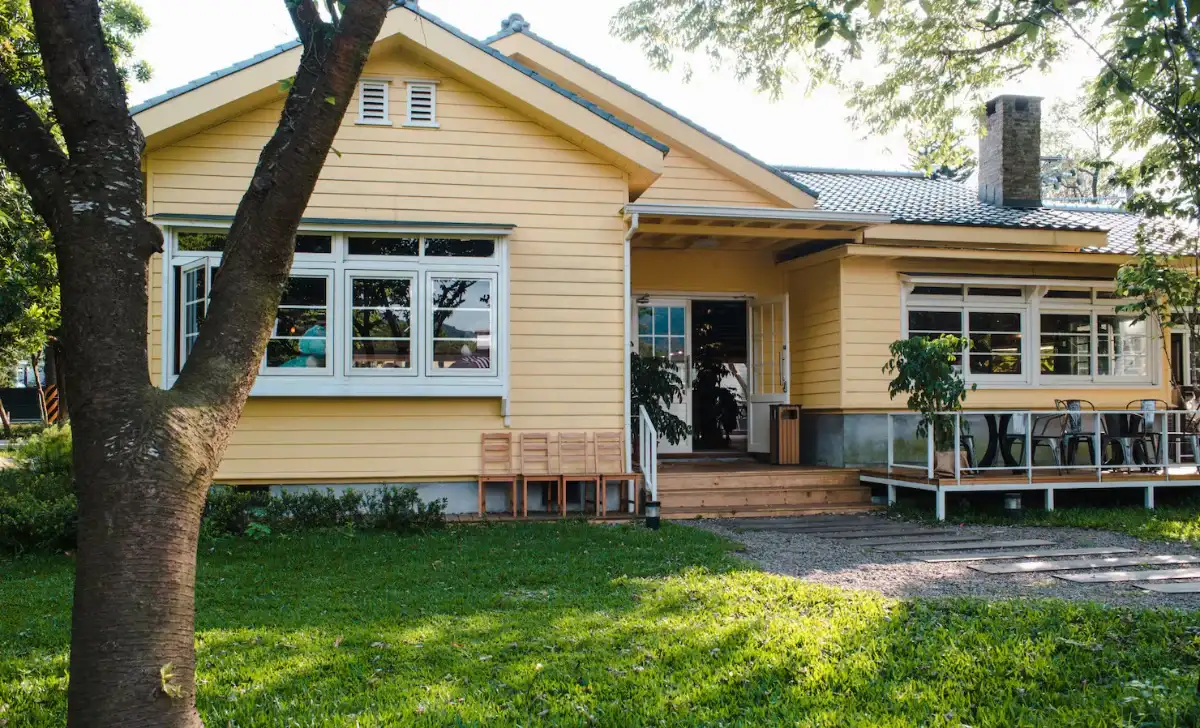
Transforming abandoned houses into vibrant, desirable homes is one challenge that many ambitious individuals and companies are taking on, breathing new life into neighborhoods and reinvigorating communities.
This process not only revitalizes properties but also provides significant investment opportunities for those willing to roll up their sleeves and dedicate energy to these fixer-uppers. From identifying undervalued homes with potential to executing a strategic renovation, flipping houses is a multifaceted endeavor that requires keen insight and resilience.
Below, we’ll explore the resources and strategies necessary to turn that eyesore on the block into the most sought-after property on the market.
Uncovering the Potential: Transforming Abandoned Houses into Desirable Homes
Flipping an abandoned house begins with the ability to visualize its potential beyond the decay. Investors must assess the property’s structure, renovation scope, and market demand, using comparable renovated homes to gauge possible resale value.
The location is equally vital—factors like school districts, development plans, and nearby amenities can determine buyer interest and profitability regardless of renovation quality.
Turning vision into value requires creativity and due diligence. Reimagining spaces for modern lifestyles—like open layouts or home offices—can boost appeal, but hidden issues may pose setbacks. Partnering with a trusted inspection service helps uncover costly problems early, ensuring the project remains feasible and financially sound.
Essential Tools and Resources for Successful House Flipping
Successful house flipping relies on the right mix of tools, resources, and partnerships. A dependable team of contractors, quality suppliers, and cost-efficient material sources form the foundation of a profitable project.
Using specialized services like Deiter Bros. Heating Cooling Energy ensures essential systems, such as heating and cooling, meet modern standards—boosting both comfort and property value.
Efficient project management and financing are equally vital. Budget-tracking software keeps renovations organized, while flexible funding options allow flippers to act quickly on good deals. Partnering with local services like Grand Rapids metal recycling also helps cut disposal costs and supports eco-friendly renovation practices.
Navigating Legal and Financial Aspects of Acquiring Abandoned Properties
Before buying a deserted building, buyers need to understand the legal and money-related challenges that come with it. This can include navigating foreclosure auctions, tax lien sales, or negotiating with private owners, each carrying distinct rules and risks.
Getting advice from a lawyer helps avoid expensive errors and makes sure you follow the rules when buying. Equally, understanding the local market is essential—accurately estimating a property’s after-repair value (ARV) through appraisers and real estate experts prevents overinvestment and improves profitability.
Flippers should also account for zoning laws and building codes, which differ across municipalities. Ensuring renovation plans meet local regulations helps avoid fines or redesign costs. A clear exit strategy—such as renting out the property if it doesn’t sell—provides vital financial protection and flexibility.
Design and Renovation Strategies for Maximum Market Appeal
Creating a design plan that attracts a wide range of buyers means focusing on timeless appeal and smart investments. Use neutral colors, durable materials, and upgrade high-impact areas like kitchens and bathrooms for maximum return.
Balance modern style with budget-conscious choices—allocate funds strategically toward standout features such as a sleek kitchen island or a luxurious master suite to boost the home’s desirability without overspending.
Energy-efficient upgrades and curb appeal can further elevate market value. Smart thermostats, LED lighting, and efficient appliances not only draw eco-conscious buyers but may also offer tax benefits. A well-kept exterior, fresh landscaping, and an inviting entrance create lasting first impressions that help sell the property faster.
Marketing Your Flipped Property: Tips for Attracting Buyers and Closing Deals
Effective marketing ensures your flipped property reaches the right buyers and sells at a premium. Utilize professional pictures, online walkthroughs, and social platforms to showcase the remodel’s top qualities and draw interest.
Listing on multiple real estate platforms expands visibility, while staging with stylish furniture helps buyers imagine living in the space and appreciate its layout and design. Hosting open houses and private showings lets prospects experience the property’s quality firsthand.
Partnering with local real estate agents can further boost exposure and provide insights into market trends and buyer preferences. Good bargaining abilities are crucial too—handling worries, modifying conditions, and remaining adaptable can separate an okay transaction from an excellent one.
Overall, flipping abandoned houses is a multifaceted endeavor that can yield substantial rewards when approached with the right strategies and resources. By understanding market demands, managing renovations effectively, complying with legal frameworks, and executing a solid marketing plan, investors can successfully transform neglected properties into profitable ventures.
