
Signs Your Home Isn’t Ready for Modern Technology
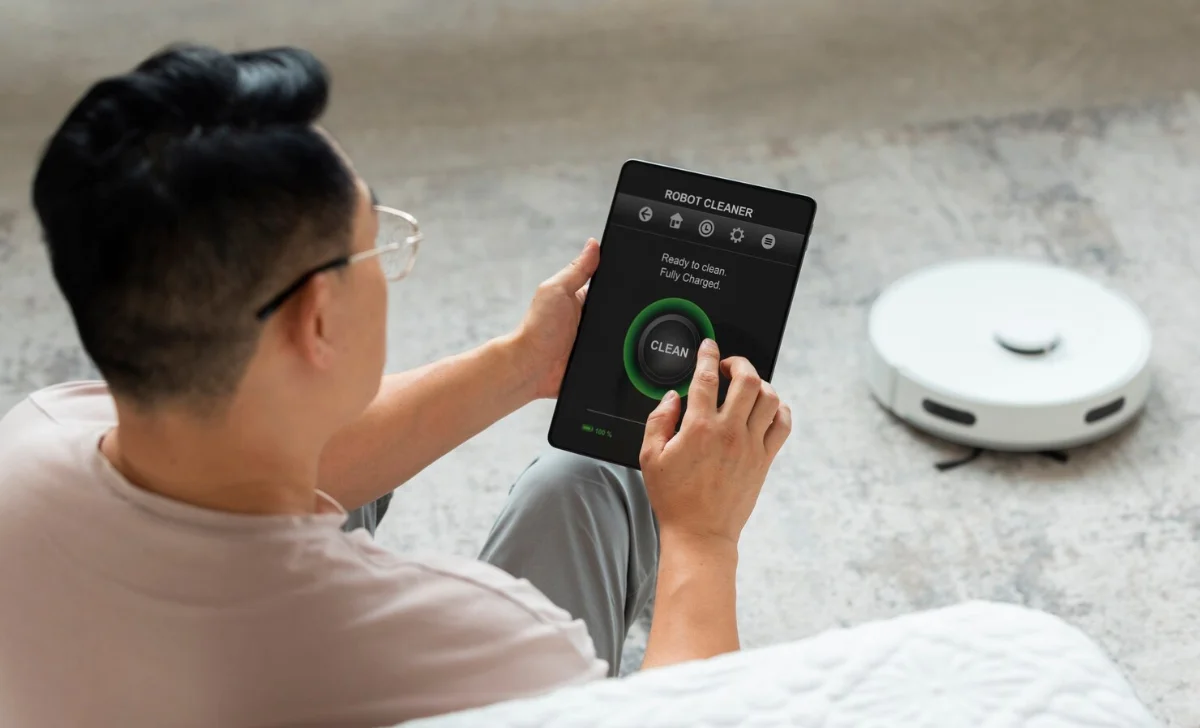
From smart lights to automated locks and AI-controlled thermostats, it’s no secret that modern technology has quickly changed home dynamics. At the same time, not all homes are prepared for this, with outdated infrastructure struggling to keep up with today’s changing demands.
As homeowners seek out modern technology for homes, they must evaluate whether their homes are ready to handle new devices they may not have supported before.
Keep reading to explore the common signs your home isn’t prepared for modern technology, from overloaded outlets to Wi-Fi issues and more.
Common Signs Your Home Isn’t Keeping Up With Modern Technology
Bought the latest smart system, but it’s not delivering the right results?
Here are some signs your home isn’t ready for this new technology:
You’re Constantly Dealing With Overloaded Outlets
The power sockets in your house are made to manage a certain level of electrical flow. Aside from the regular necessities, you now have to account for charging space for modern devices. If you’ve got power strips and extension cords all over, you already understand the issue.
Usual clues that a socket has too much demand are blinking lights, breakers that often trip, a burnt smell from switches, and tiny shocks from devices.
Don’t overlook these hints; your house is warning you it’s being pushed too much.
Your Electrical Panel May Be Outdated
Outdated panels are not equipped to safely handle modern energy demands. Put simply, technology was not the same 20 years ago, meaning panels were designed to manage lower electricity demands and may not have the required safety features for modern technology.
With houses today powering more devices than ever before, this is a common issue for homeowners interested in adopting the most advanced systems.
Your Smart Devices Rarely Work the Way They Should
Many people blame the brand of their devices for performance errors such as delays, syncing issues, unexpected disconnections, or unreliable automation, when in fact, these issues may have nothing to do with the actual device.
Before you start calling for a refund, consider everything we discuss in this article. Older infrastructure, overloaded systems, and inconsistent connectivity can all impact how well smart technology performs in your home.
Your Wi-Fi Can’t Reliably Support Your Household
Modern homes depend on strong and consistent connectivity to support everything from streaming and remote work to smart home devices. Dead zones in bedrooms and offices, streaming interruptions, and dropped video calls are all signs that more connected devices are creating greater pressure on home networks, especially in homes with older layouts or outdated infrastructure.
Your House Isn’t Ready for an Electric Vehicle Charger
It’s not unheard of for someone to purchase an electric vehicle and quickly realize their home isn’t prepared to provide the electricity needed to charge it. This is very true for houses with old fuse boxes or for apartments and shared buildings.
However, EV chargers aren’t limited to new homes, as experienced electricians are trained to work with older systems, sometimes requiring the installation of a subpanel next to the original.
Your Household Energy Demands Keep Growing
Global electricity demand is forecast to increase by 3.7% in 2026. While strong demand increases from AC, data centers, and electrification contribute to this growth, we can also take a look at our own homes to understand how we play a role.
From remote work setups to advanced gaming systems and smart appliances, modern households are relying on more technology than ever before. It should come as no surprise, then, why you may be experiencing some of the signs mentioned above, especially if your home’s infrastructure hasn’t kept up with growing energy demands.
Does your house need better electrical setup?
Now that we know the main signs your home isn’t ready for modern technology, let’s take a look at some tell-tale signs you need to update your home’s infrastructure. While this list extends beyond the following, here are 3 common indicators your home may need an upgrade:
You Rely on Smart Technology
Smart technology is increasingly making its way into people’s homes. Whether you’re the culprit or it’s your partner or kids, your household may be quickly incorporating these new devices into everyday routines.
This is far from a bad thing. However, we now know that updated infrastructure is key to truly enjoying these devices, so it may be time to take a look at whether your home is equipped to support your growing technology demands.
You Prioritize Convenience
Delays, Wi-Fi issues, and unreliable automation are frustrating, to say the least. Whether you work from home or simply enjoy having stable systems, these issues can affect your daily routines and overall comfort at home.
After all, new tech is supposed to simplify life, not bring more hassle.
You Want to Increase Home Value
Buyers increasingly expect homes to support modern lifestyles. And while your house may not be on the market today, it might be in the future.
Preparing your house now makes it more appealing, while also helping future buyers feel confident that the home can support modern technology and growing energy demands.
Actions You Can Do to Get Your House Ready
So what can you do to get your house set?
The exact answer depends on your unique situation, with electricians able to evaluate your home and pinpoint your exact needs. With that in mind, here are a few possible fixes for your issue:
- Add outlets where needed: As mentioned, you may be overworking your outlets. By adding additional outlets to your home, you can reduce reliance on power strips and extension cords while improving overall convenience and functionality.
- Improve connectivity support: Upgrading routers, improving Wi-Fi coverage, and ensuring your home can support multiple connected devices can help smart technology, streaming, and remote work perform more reliably.
- Upgrade outdated equipment: Replacing older electrical panels, aging wiring, and outdated components can help your home better support smart technology, EV chargers, modern appliances, and growing household energy demands. Depending on your current infrastructure, some updates may be simple, while others may require more extensive improvements.
Final Thoughts
If you’ve adopted modern technology and have since noticed signs like flickering lights, tripped circuit breakers, or small shocks from appliances, it may be time to evaluate your home’s infrastructure.
The first step is recognizing these warning signs, followed by getting your home evaluated by an experienced electrician.
Remember, with technology evolving, infrastructure matters more than ever, and the last thing you want is for outdated systems to impact the performance and reliability of your new technology.
