
The Practical Methods to Print to PDF
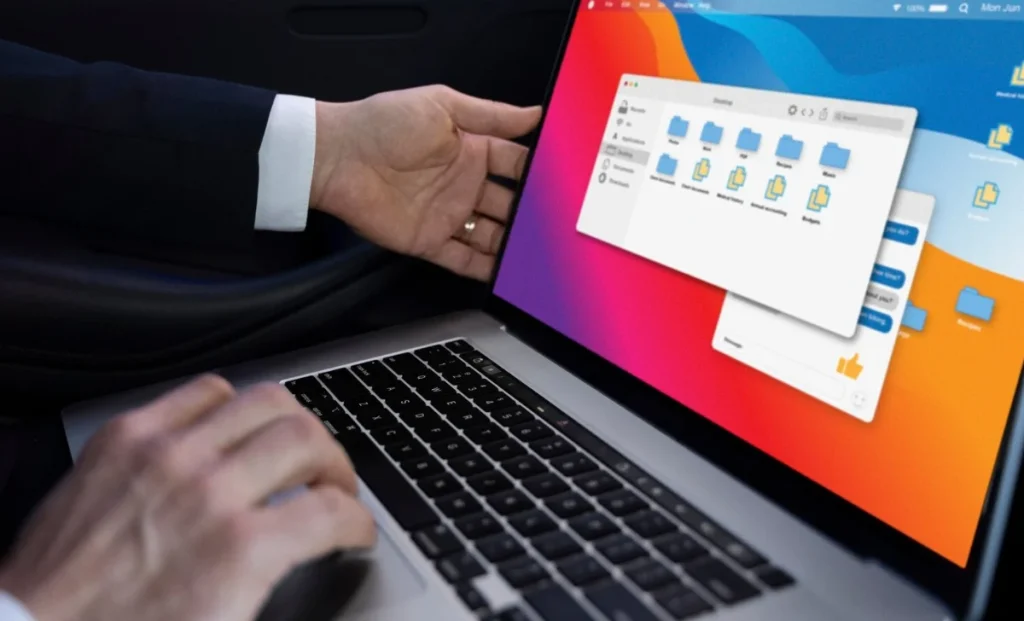
In today’s digital world, PDF files have become a standard way to share information. If learning how to turn different file types into PDFs sounds useful, this guide will help. It explains how to create a PDF from almost any document using both desktop software and online tools. It also covers how to convert files to PDF on different operating systems and devices.
What does PDF mean and why is it useful?
PDF stands for Portable Document Format, which is a kind of file created by Adobe that keeps documents looking exactly the same no matter what device you open them on. This ensures that whether you open a PDF file on a computer, tablet, or smartphone, the content is always identical.
One of the main benefits of PDF is its flexibility. It has become a widely used format for sharing documents because it preserves the layout, fonts, graphics, and other visual elements. As a result, PDF files keep a consistent, professional appearance no matter what device or platform they’re opened on.
Another important aspect is PDF document security. This format offers advanced encryption mechanisms and the ability to set passwords, protecting content from unauthorized access. This ensures your private information stays protected when you send or save it.
PDF’s versatility also makes it an excellent format for archiving. PDF documents are highly searchable thanks to the ability to add a text layer, making it easier to find specific information in large data sets. Additionally, PDF can contain interactive forms, making it a practical tool in business, education, and government.
In summary, choosing the PDF format offers many benefits, including preserving document quality, ensuring easy accessibility, and providing strong security features. Because of these advantages, PDFs are a smart choice for everyday business and personal use.
Which programs do people use most to create PDFs?
In today’s digital world, PDF programs play a crucial role in everyday office work. When looking for a tool that will allow you to effectively create and edit PDF files, it’s worth considering a few of the most popular applications.
- Adobe Acrobat: The best-known PDF software. Adobe Acrobat provides many options, from simple PDF making and changes to special tools for electronic signatures and file security. Companies looking for a dependable way to handle their documents will find this works really well.
- SwifDoo PDF: Another popular program that’s often chosen as an alternative to Adobe, SwifDoo PDF stands out for its fast performance and simple interface, while also offering advanced features like annotating, editing, and even the ability to create PDFs.
- PDFCreator: This is one of the best free PDF converters that allows you to convert documents to PDF using a virtual PDF printer. PDFCreator is easy to use and offers features that can meet the needs of medium and small businesses.
When choosing the right program, think about what you actually need it for. Whether it’s the advanced features of Adobe Acrobat or the simplicity and efficiency of free PDF converters like PDFCreator and SwifDoo PDF, there’s an option that fits your needs. These tools make printing to PDF faster, easier, and more efficient.
Printing to PDF on Windows
Printing documents to PDF in Windows is easier than it seems. In this step-by-step guide, we’ll show you how to use Microsoft’s built-in Print to PDF feature and external programs to achieve the results you want.
Follow these instructions to use Microsoft’s PDF printing option:
- Launch the file you wish to change into a PDF.
- Go to File at the top, then choose Print.
- From the printer list, pick Microsoft Print to PDF.
- Click the Print button (or OK ) to start the conversion process.
- Choose the location to store your PDF, type in a name, and press Save.
When it comes to external programs, here are some popular alternatives to Microsoft Print to PDF:
- PDFCreator – offers advanced PDF conversion and personalization options.
- doPDF – simple and intuitive, allows you to quickly print PDFs in Windows.
- PDF24 Creator – offers additional tools for editing and managing PDFs.
All of the above programs work similarly – after installation, they add themselves as virtual printers in your system. You select them from the printer list and then save the PDF file according to your needs.
This Windows PDF guide is designed to make the conversion process simple and help every user find the method that works best. Whether using Microsoft’s built-in Print to PDF feature or a third-party tool, printing to PDF in Windows is now easier and more convenient than ever.
Printing to PDF on Mac
When you want to convert a file to digital format, printing to PDF on Mac is incredibly easy. Thanks to a native macOS feature, any app that can print also has the option to save a file as a PDF.
To use this option, follow these steps:
- Start by opening the file you need to turn into a PDF.
- Pick File from the menu bar, then click on Print.
- When you open the print window, you’ll find the PDF settings in the bottom left area. Select Save as PDF.
This simple method allows you to generate a PDF file without having to download any additional software. This intuitive solution makes PDF printing in Mac OS quick and hassle-free.
Besides the tools that already come built in, there are other programs that can make the process easier. Software like Adobe Acrobat and similar apps offer more features for editing and organizing PDFs. These tools are especially useful for people who need more than basic print-to-PDF functions.
This is why our Mac PDF instructions will help you find the right approach for what you need. Whether you use the native macOS feature or third-party software, you can be sure that PDF printing in Mac OS will be hassle-free.
Printing to PDF using online software
These days, you don’t need to install specialized software on your computer to convert files to PDF. The internet offers numerous online PDF converters that allow you to print to PDF online from any location and on any device.
One major advantage of free web-based PDF tools is that they’re accessible anytime. They run on any operating system and don’t require installation, so there’s no unnecessary clutter on the hard drive. Conversions are fast and efficient, which is especially helpful for entrepreneurs who often need to handle many documents in a short amount of time.
Here are some popular services that allow you to print to PDF online:
- Smallpdf – A tool offering a wide range of file conversions, including creating PDFs from various formats.
- iLovePDF – Allows you to easily convert and edit PDF files.
- pdfforge – It is flexible and offers options to customize individual parameters of a PDF document.
By choosing an online PDF converter, you gain accessibility and convenience that traditional desktop software simply can’t provide. These free online PDF tools make the process of creating PDF files both simple and fast, resulting in greater efficiency in everyday business operations.
Problems and solutions when printing to PDF
When printing to a PDF file, several issues can pop up that may seem confusing at first. PDF printing problems can include compatibility errors, formatting issues, or incorrect PDF printer settings. Understanding how to fix these problems helps get the job done faster and avoids unnecessary frustration.
The initial thing to do when fixing PDF issues is to check that your program is current. Older versions of programs may not support the latest PDF features and standards. Updating can resolve many technical issues and improve printing functionality.
Next, check the PDF printer settings. Make sure all options are set correctly, especially if PDF printing errors appear. Confirm that the selected page size, quality, and other settings match the file that needs to be created. It can also help to review advanced settings such as image compression and font embedding, since these can affect the final document’s quality.
If standard methods fail, it’s worth trying converting the file to another format and then retrying printing to PDF. This can include converting a Word document to RTF or even exporting a PowerPoint presentation to an image format and then printing it. This approach often helps circumvent compatibility issues.
