
The Role of Aluminium Checker Plate Floors and Kick-Plating
Shipping container conversions have completely changed the way people think about space. What used to be strictly functional steel boxes are now being turned into cafes, pop-up shops, workshops, site offices, tiny homes, and even mobile studios.
Their structure is sturdy, their shape is versatile, and their raw industrial look appeals to a broad range of design styles. But one detail often gets overlooked during a conversion: the flooring and perimeter protection.
Whether the container becomes a retail space or a tough, high-use utility room, flooring and wall protection can make or break its long-term value. That’s why many builders and designers rely on aluminium checker plate for both floors and kick-plating. The material looks sharp, lasts for years, and holds up under serious wear.
Why Flooring Matters More Than You’d Expect
Original shipping container floors are usually made from plywood treated with heavy-duty chemicals to withstand maritime transport. Those floors weren’t designed for daily foot traffic, furniture legs, tools, or heavy equipment. They certainly weren’t designed for hospitality settings or retail environments where appearance matters just as much as durability.
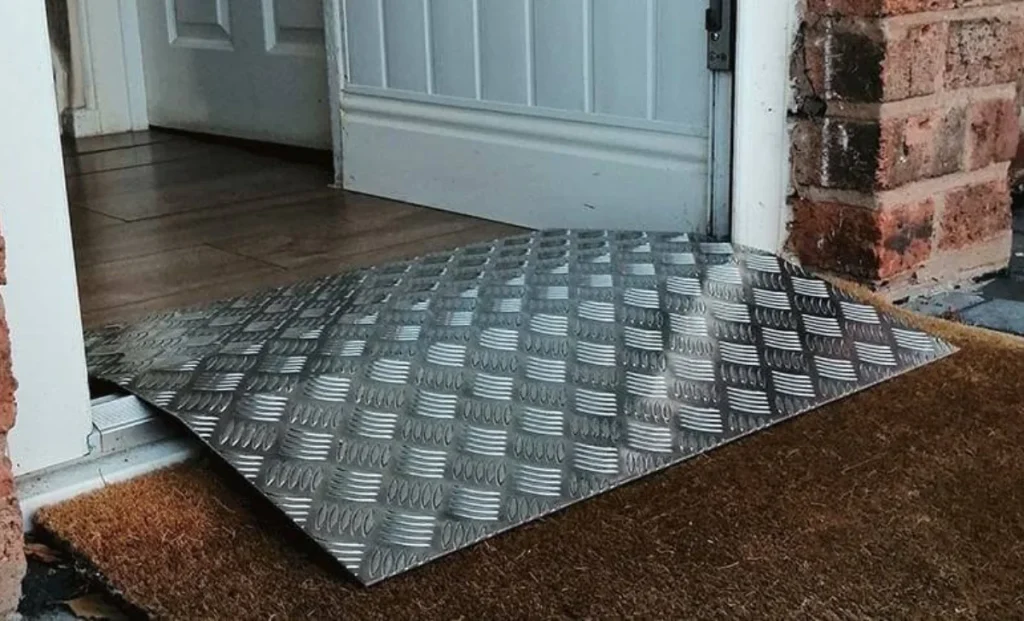
During a conversion, flooring becomes both a functional and aesthetic decision. It has to manage constant movement, resist moisture, and avoid warping—issues that become more noticeable in a confined space. This is where checker plates aluminium provide a solid foundation. The pattern isn’t just decorative; it adds grip, enhances safety, and distributes impact across the sheet.
The Benefits of Using Aluminium for Container Floors
Aluminium is surprisingly lightweight for the amount of strength it offers. That’s a major plus when working inside a structure that’s meant to remain portable. Every added kilogram affects transport costs and mobility, so materials need to strike a balance between toughness and practicality.
A few qualities make aluminium particularly suited for container conversions:
• Corrosion resistance – Containers often face moisture, condensation, or outdoor environments. Aluminium doesn’t rust, which saves you from having to refinish or replace flooring prematurely.
• Slip-resistant texture – The raised checker pattern helps with footing, especially in worksite containers, food service setups, or workshops where spills and debris are part of daily life.
• Easy cleaning – Smoother surfaces that wipe clean in seconds are a blessing in compact spaces. Whether the container houses tools, customers, or staff, low-maintenance flooring wins every time.
• Impact resistance – Dropped tools, heavy boots, equipment wheels—aluminium copes well with it all.
Visually, it adds that clean, industrial aesthetic container conversions are known for. Some conversions lean heavily into the metallic look, while others pair the flooring with timber walls or matte finishes to soften the space. Either way, it adapts beautifully.
Kick-Plating: The Upgrade That Protects Your Investment
Floors take a beating, but walls catch their fair share of damage too—especially in tight spaces like shipping containers. Every swing of a toolbox, every bump from a trolley, every time someone moves furniture or appliances around, the lower sections of the walls absorb the impact.
Kick plates solve this problem without altering the overall layout. They protect the lower perimeter of the container while maintaining a cohesive look when matched with the flooring. Aluminium checker plate kick-plating blends seamlessly, adding durability exactly where it’s needed without overwhelming the design.
Kick-plating works especially well in:
• Pop-up retail stores – Fitting rooms, display benches, rolling racks
• Commercial kitchens or mobile food setups – Frequent equipment movement
• Tradesman or workshop containers – Hand tools, storage, and machinery
• Office or site containers – Chairs and foot traffic near walls
It’s the type of improvement that goes unnoticed until it becomes necessary. And by then, damage has already started.
Simple Setup Makes It a Sensible Option
Working inside a shipping container usually means dealing with limited space, tight corners, and unique angles created by the original structure. The installation process needs to be efficient, clean, and adaptable.
Metal sheet flooring ticks those boxes. Aluminium panels can be cut precisely, shaped to suit edges and door thresholds, and secured quickly. Many conversions involve fitting the flooring over the existing timber to add strength and level the surface. The lightweight nature of aluminium makes handling the sheets far easier than steel alternatives.
Kick plates also install quickly—usually with screws, rivets, or strong construction adhesive—making them a simple add-on that has a big impact.
Design Flexibility for All Types of Container Projects
Shipping containers may share a common structure, but conversions vary wildly. Some become coffee shops lined with warm lighting and indoor plants. Others become mobile workshops packed with heavy-duty storage. Some become streamlined workspaces where each element is thoughtfully chosen.
The appeal of aluminium checker plate lies in how it fits nearly every design approach. It can stay raw and reflective, giving off a rugged, utilitarian vibe, or be paired with painted walls and timber finishes to create contrast. For high-traffic or commercial conversions, it communicates professionalism and practicality. For creative projects, it adds an industrial edge without going overboard.
Long-Term Value in a Growing Conversion Industry
Container conversions are booming for good reason: they’re affordable, flexible, and eco-friendly. With rising demand comes greater need for sturdy materials built for extended service. Aluminium flooring and kick-plating extend the life of the build, reduce repair costs, and keep the interior looking sharp far longer than budget flooring options.
For anyone planning a conversion—whether a business owner, builder, designer, or DIY enthusiast—aluminium offers both durability and style. When materials perform this well, they deserve all the attention you can give them.
Conclusion
Shipping container conversions succeed when practicality and design work together, and flooring is one of the clearest examples of that balance.
Aluminium checker plate delivers a durable, low-maintenance surface that elevates safety and appearance, while kick-plating keeps the walls protected from daily wear. It’s a smart, long-lasting combination that fits perfectly into the fast-growing world of container transformation.
If your next project involves turning a steel box into a useful, inviting, and robust space, aluminium flooring and kick-plating might be the upgrade that ties everything together.
