
Travel Photography Mistakes That Ruin Great Albums (And How to Avoid Them)
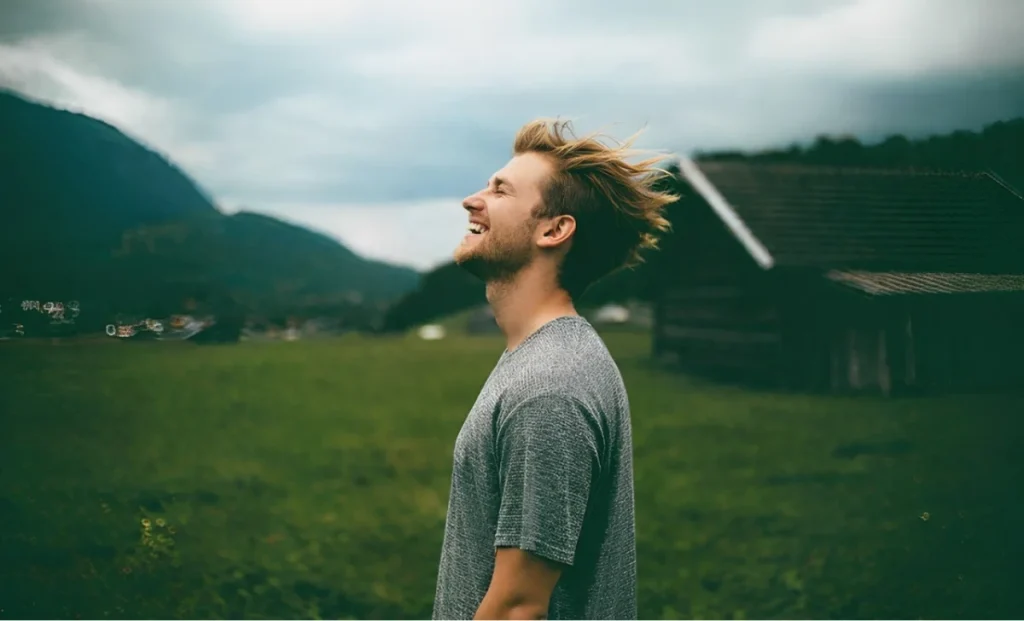
Travel photography can feel like magic when you get it right. A perfect snap of a sun-kissed coastline or a bustling market in Morocco can instantly take you back to the moment. But too often, those images that should preserve rich memories end up feeling bland, blurry, or just… off.
If you’ve ever flipped through a travel album only to feel a little disappointed, you’re not alone. Many travelers unknowingly make small photography mistakes that have a big impact on the final result. The good news? You can prevent most of these issues simply by being aware of them.
Let’s break down the common travel photography pitfalls—and how to dodge them so your vacation memories look as incredible as they felt.
Overlooking the Light: The Silent Dealbreaker
Lighting can make or break a photo, yet it’s often the most overlooked element. Many travel photos fall flat not because of the subject, but because the lighting is harsh, uneven, or too dim.
When taking pictures outside, attempt to skip the midday period when the sun is at its peak. This kind of light can create deep shadows and washed-out highlights, especially on faces. Instead, aim for the “golden hours” just after sunrise or before sunset. The light then is softer, warmer, and much more flattering.
Indoors, don’t rely solely on overhead lighting. If there’s a window nearby, use natural light whenever possible. And always watch how light falls on your subject—often, simply stepping to the side or moving a few feet can transform the mood of a shot.
Forgetting to Tell a Story
It’s tempting to photograph every single landmark, plate of food, and skyline you encounter. But travel albums filled with nothing but pretty scenery often start to blur together. Why? Because they’re missing a story.
The best travel photos invite viewers to feel what you felt in the moment. That means thinking beyond postcard-perfect views. Include candid shots, daily details, and spontaneous moments.
For example:
- A crowded train ride in Tokyo
- Your shoes covered in red dust after a desert hike
- Locals chatting at a corner café
These imperfect, real-life fragments can add narrative and emotion to your travel album. They turn pictures into memories.
Centering Everything (Even When It Doesn’t Make Sense)
There’s a natural urge to put the subject smack in the middle of the frame. It feels safe, right?
But while centered shots can be effective in some cases, overusing this technique often leads to dull, flat compositions.
Attempt composing your photos using the rule of thirds. Picture dividing your viewfinder into a nine-square grid using two lines going up and down and two lines going across. Positioning your main point of interest at one of these grid points usually results in a more harmonious and interesting photo.
This doesn’t mean you should never center things. But being more intentional about where you place your subject can dramatically enhance the quality of your travel photography.
Ignoring the Background
It happens all the time: you frame a great subject, take the shot, and later realize there’s a garbage bin or tourist glaring in the background. The main focus looked amazing—but the background ruined the mood.
When you’re caught up in the excitement of a new place, it’s easy to focus only on what’s directly in front of you. But what’s behind the subject matters just as much.
Before you press the shutter, pause for a moment to look over the whole image area. Look for distractions, clutter, or awkward objects behind the person or scene you’re capturing. Sometimes all it takes is a slight angle shift to clean up the background and keep the vibe consistent.
Shooting Everything Horizontally
Landscape orientation is the default for many travelers, especially when shooting with phones or DSLR cameras. But sticking exclusively to horizontal shots can limit your creative potential—and make your photo album feel monotonous.
Don’t forget to shoot vertically too. Portrait orientation works especially well for:
- Street photography
- Tall buildings and monuments
- Portraits and people-focused shots
Mixing up your orientations not only adds variety but also gives you more layout options when designing your travel album.
Overediting or Underediting
Editing your photos is like seasoning food—it can enhance the flavors, but too much can ruin everything.
Some travelers don’t edit at all, leaving their images dull or poorly exposed. Others go overboard with filters, saturation, and sharpening, ending up with photos that look artificial or wildly inconsistent.
Aim for balance. Use editing tools to:
- Adjust brightness and contrast
- Fine-tune white balance
- Crop or straighten shots
- Lightly enhance colors for realism, not exaggeration
Whether you’re using Lightroom, Snapseed, or your phone’s editing features, remember that less is often more.
Getting Too Attached to Your Gear
A common misconception is that better gear guarantees better photos. While a high-end camera can certainly offer more control, great photography comes down to the eye, not the equipment.
Focusing too much on lenses, settings, or accessories can cause you to miss candid, meaningful shots happening all around you. And you won’t always want to lug around a heavy DSLR on a long hike or crowded street.
Occasionally, the ideal camera is simply the one you are carrying—including your smartphone. With good lighting and intention, smartphone photos can turn out beautifully and be much easier to capture in the moment.
Not Being Present
Ironically, trying to capture every moment can cause you to miss the trip itself. If you spend your whole vacation behind the lens, your photos may look great—but feel hollow.
Photography is a way to preserve memories, not replace them. Allow yourself time to fully enjoy the moment instead of hurrying to record it all.
This means:
- Leaving the camera behind during some outings
- Setting limits on how much you shoot in a day
- Observing before shooting—let the moment unfold rather than forcing it
Your travel stories will be richer when you live them first and photograph them second.
Conclusion: Make Your Photos as Meaningful as Your Memories
Travel photography is not concerned with flawlessness. It is about creating a bond. A great travel album doesn’t just show where you went but tells how it felt to be there.
By avoiding a few simple mistakes—like ignoring light, overediting, or always centering your subject—you’ll start capturing photos that reflect the full richness of your journey. And when you return, those images will act as more than visual souvenirs—they’ll be stories waiting to be retold.
So next time you hit the road, bring your curiosity, your camera, and a bit of purpose to each shot. You’ll end up with a travel album you’re proud to share—and one that feels just as alive as the journey itself.
