
Easy Ways to Upgrade Your Outdoor Space With Modern Composite Materials
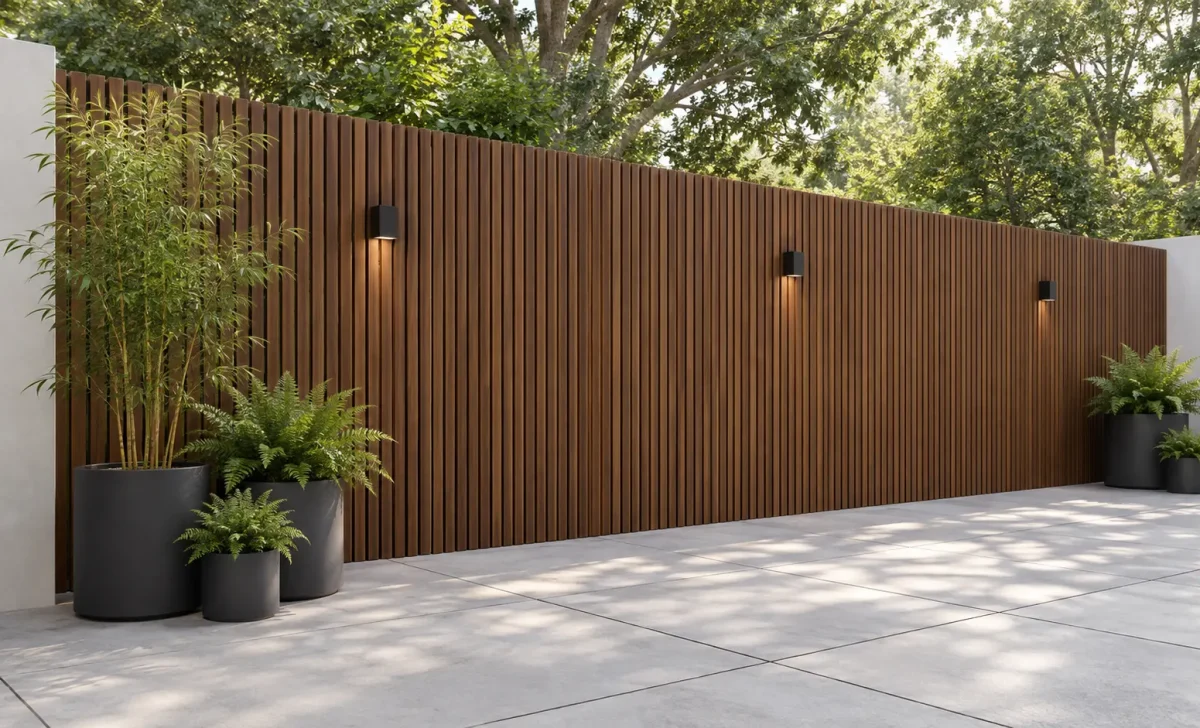
If you own a wood deck, you know the routine. Every year or two you sand, stain, and replace boards that warped or went soft, and it eats up a lot of weekends. Wood plastic composite (WPC) takes most of that work off your plate.
It’s made from wood fibers and polymers, so it looks like timber but holds up much better against rot, insects, and moisture. Below, you’ll find what to pick, how to install it, and how to choose a supplier so your project lasts.
Why More Homeowners Are Choosing WPC for Outdoor Projects
Upkeep is the main reason. You don’t need to stain or seal WPC. Washing it with mild soap and water a few times a year is usually enough, but check your warranty for approved cleaners before using anything stronger.
Cost matters too. Composite usually costs more up front than pressure-treated lumber. But you stop paying for stain, sealer, and board replacements, so the gap often narrows over the years. Many products also use recycled plastic and reclaimed wood fibers, and the boards resist splintering, which is easier on bare feet.
WPC does have limits you should know about before you buy. It expands and contracts with temperature changes, and dark colors can get very hot in direct sun. Both are manageable if you plan for them, which the next sections cover.
How to Create a Stylish, Low-Maintenance Decking Area
Start by measuring your space and deciding where you want dining, seating, and cooking. Keep the grill well away from railings and your house, and read the manufacturer’s heat guidance before placing one on composite boards.
Choose your color based on your climate. If your deck gets strong afternoon sun, lighter or mid-tone boards stay more comfortable underfoot. Dark boards look sharp but can get uncomfortably hot. Boards with mixed tones in the grain also hide dirt and light scratches better than flat, solid colors.
Installation decides how long your deck lasts, so follow these basics:
- Leave the gaps your manufacturer specifies. Side gaps are often around 1/8 inch, and end gaps are larger in cold weather and smaller in heat, so boards can expand and water can drain.
- Space your joists as directed. Many systems call for 16 inches on center, and 12 inches if you lay boards on a diagonal.
- Keep air moving under the deck by using ventilated skirting instead of solid panels.
- Lay a weed barrier and gravel on the ground below so water doesn’t pool.
- Use hidden clips for a smooth surface with no visible screw heads.
For upkeep, sweep often, rinse regularly, and wipe up grease or oil spills quickly. Furniture pads help prevent scratches from heavy chairs. If you want to use a pressure washer, confirm your manufacturer allows it, then use low pressure and a wide fan tip.
Give Your Home a Fresh Look With Composite Wall Cladding
Your deck isn’t the only surface worth updating. If a fence, patio backdrop, or exterior wall looks worn, composite wall cladding gives you a timber slat look without the repainting, rot, or insect trouble of natural wood.
It works well in a few places. A single feature wall on your porch or patio adds a focal point without much material. Vertical slats make a privacy screen that still feels open. On an outdoor kitchen base, cladding covers rough framing, and it’s an easy fix for a worn fence or garden wall.
Installation matters here too. Mount the panels on battens or a furring frame so a ventilated gap sits behind them and moisture can escape. Use the manufacturer’s clips, leave expansion gaps at panel ends, and keep the bottom edge a few inches off the ground. Also check your local building code for fire rating rules, especially near property lines or in wildfire-prone areas.
For a cohesive look, match the cladding to your deck. Charcoal panels with a warm brown deck give you contrast, while one neutral tone across both feels calm and modern.
What to Look for When Choosing a WPC Manufacturer
Your results depend heavily on who makes the material. Whether you’re working on your own home or buying for clients, a reliable WPC composite decking manufacturer should be able to answer all of these:
- Formulation: Ask whether the boards have a protective cap layer for stain and fade resistance, and what the wood-to-polymer ratio is.
- Test reports: Request data on UV stability, slip resistance, water absorption, and fire performance. In the U.S., ask whether the boards meet ASTM D7032 for wood-plastic composite decking.
- Batch consistency: Color and dimensions should match from one order to the next, especially on big jobs.
- Customization: Look for a range of colors, textures, profiles, and sizes, plus matching trim.
- Warranty terms: Find out what’s covered, for how long, and what voids it, such as incorrect installation.
- Samples: Order samples and view them outdoors in your own light. Check how hot they get in the sun.
To start comparing options, visit Kreco Composites and measure what they offer against this list.
Outro
A good outdoor upgrade comes down to three things: a color that suits your climate, careful installation with proper spacing and airflow, and a manufacturer that can back its product with real data. You don’t have to do it all at once. Pick one project, like a deck refresh or a single feature wall, and build from there.
