
What Every California Parent Needs to Know About Car Seat Laws
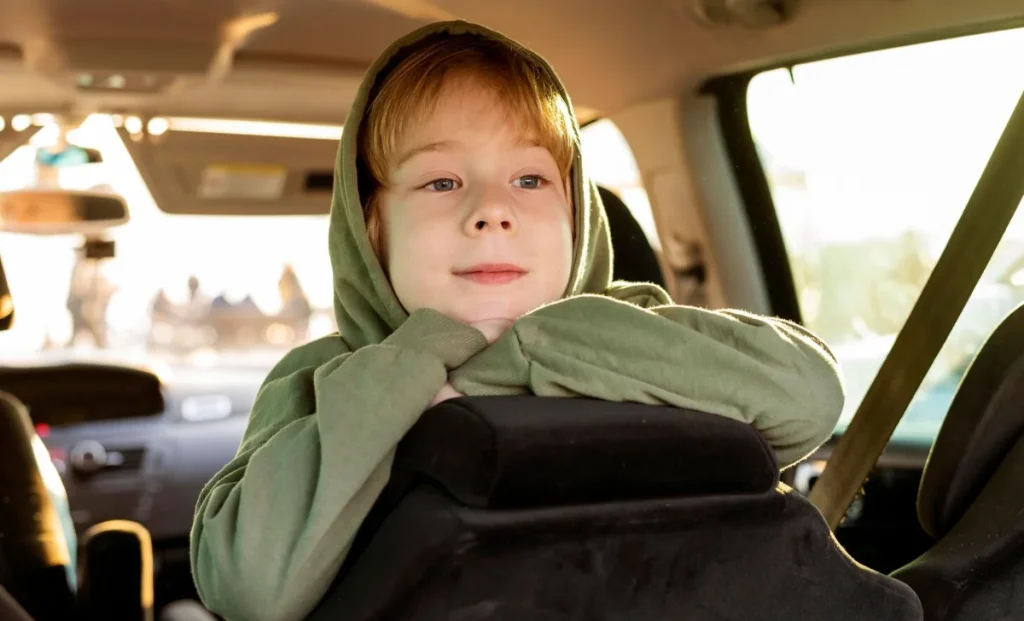
Protecting kids while driving is among the top duties for any parent or guardian. California takes this seriously, and the state has put clear rules in place to protect young passengers on every trip. Understanding California car seat laws can help families stay compliant, avoid fines, and most importantly, prevent serious injury in the event of a crash.
Why Car Seat Laws Matter
The regular seats inside a vehicle are simply not designed to protect a small child in a collision. Car seats and booster seats are engineered specifically to absorb crash forces and keep young bodies secure.
Studies from the National Safety Council reveal that correct child safety seats lower the chance of deadly injuries by 71% for babies and 54% for young children. These are not small numbers. Every ride is an opportunity to either protect a child or put them at risk.
The Core Requirements Under California Law
California’s child passenger safety law was updated on January 1, 2017, and those rules remain the foundation of what parents must follow today. The law is codified under California Vehicle Code 27360 and applies to all drivers transporting children in the state.
The basic breakdown works by age and size. Kids younger than two need to sit in a backward-facing car seat. The only exception is if the child already weighs 40 or more pounds or
stands at least 40 inches tall. Since very few toddlers reach those measurements before turning two, the rear-facing requirement applies to almost all children in this age range.
Children under the age of eight must be secured in a car seat or booster seat in the back seat of the vehicle. This rule applies regardless of whether the child has outgrown a rear-facing seat and moved to a forward-facing one. The back seat requirement is there because front airbags pose a serious danger to young children, especially those still in rear-facing positions.
When a child becomes eight years old or grows to 4 feet 9 inches tall, they can use a regular seat belt without a booster seat. At that point, the regular lap and shoulder belt is considered sufficient protection, provided it fits the child correctly.
Exceptions to the Rule
California law does allow for a few limited exceptions. A child under eight who is already 4 feet 9 inches tall may be exempt from the booster seat requirement. The law also gives courts some discretion to exempt a child from restraint requirements when a medical condition, physical
unfitness, or size makes the use of a car seat impractical. These exceptions are narrow and require evidence, so parents should not assume they apply without consulting a personal injury law firm.
Certain cases let a child sit in the front seat legally. If a vehicle has no back seat or has an unusual back seat configuration that cannot properly accommodate a car seat, placing the seat up front is allowed. But kids in backward-facing seats should never sit in front if the car has a working airbag on the passenger side.
What About Rental Cars and Rideshares?
Many families ask whether car seat rules apply when they are not in their own vehicle. The answer is yes. California law requires rental car companies to provide a child restraint system if the renter does not have one, provided the child is eight years old or younger. Families hiring a car should ask for a seat ahead of time because they might not always be available.
Ride services such as Uber and Lyft must follow California’s rules about child safety seats too. In practice, drivers do not always have seats available. Some services, like Uber Car Seat or Uber Family, offer options in select cities that allow riders to book a vehicle with a child safety seat for an added fee.
Lyft usually requires passengers to bring their own seat when riding with small kids. Families using rideshares should plan ahead and never assume a car seat will be provided.
Fines and Penalties for Violations
Failing to properly restrain a child in California carries financial and legal consequences. A first violation comes with a starting penalty of $100. A second offense raises that fine to $250. It is worth noting that base fines do not reflect the full amount owed, as court fees and penalty assessments are added on top. The real amount you pay can be much more than that.
Drivers who are found to be economically disadvantaged may petition the court to waive the fine in favor of completing a community education program on child car seat safety.
Attendance at such a program can replace the monetary penalty, but completion must be proven to the court. Violations also result in one point being added to the driver’s DMV record, which can lead to higher insurance premiums over time.
Getting Help with Installation
Having the right car seat is only half the equation. A seat that is installed incorrectly provides far less protection in a crash. The California Highway Patrol offers child safety seat checks through local offices across the state. Parents and caregivers can contact their nearest CHP office to learn about scheduled check events and receive hands-on guidance from certified child passenger safety technicians.
In 2016, the California Department of Public Health received a nearly $500,000 grant to train hundreds of new technicians and update existing technicians on best installation practices. These tools are open to everyone and cost nothing to access.
When a Car Accident Involves a Child
Even when all the rules are followed perfectly, accidents happen. A child who is safely buckled up can still get hurt in a bad accident caused by another driver’s carelessness. In these cases, families might deserve payment for hospital bills, physical and emotional pain, and other losses.
If your family has gone through a car crash with a child in the vehicle, committed car accident attorneys can explain your rights and help you seek the money you’re owed.
Staying informed about California car seat laws is one of the simplest and most powerful steps a parent can take. The right seat, used correctly, on every ride, can make all the difference.
