
What to Expect When Pricing a New Driveway Project
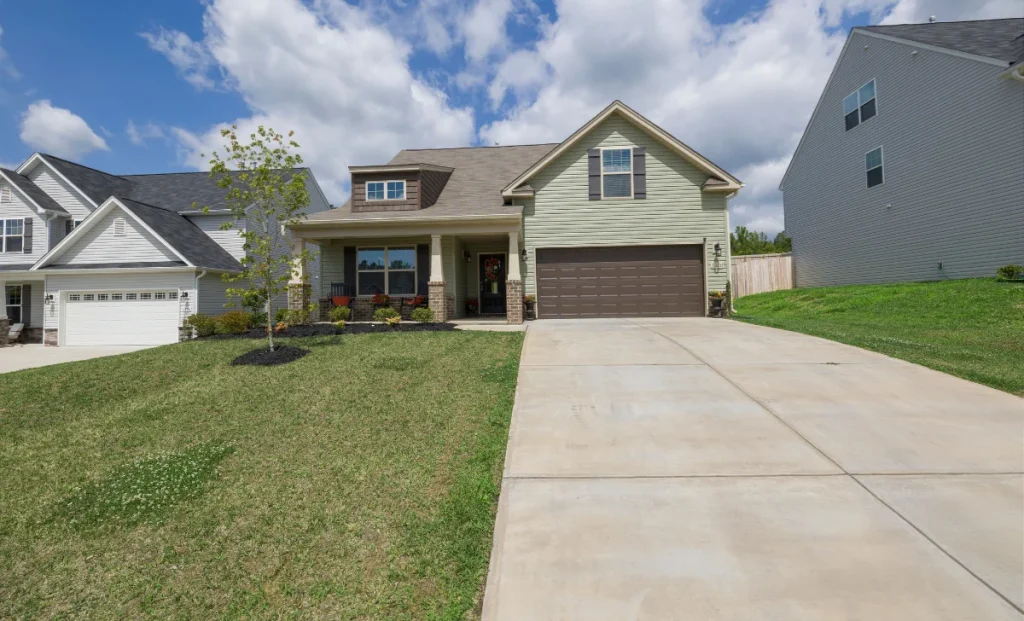
Curious what exactly a new driveway will set you back before you start getting quotes?
Having a new driveway installed is one of those jobs that seems super overwhelming when you think about doing it.
There’s so many different materials, contractors to choose from, plus a million hidden costs.
Oh, and the prices fluctuate massively depending on what region you’re in and what you want.
The problem:
Most people don’t do their research. They get 1 or 2 quotes, pick the cheapest one, and end up with a crappy driveway that cracks a year later. Or overpay for standard quality work that costs more than it should.
You won’t experience any of these problems.
This post is going to take you through absolutely everything you need to know to get an accurate estimation on how much a new driveway will cost. No more guess work. No more nasty surprises either.
So let’s take a look 👀
After reading this article, you’ll find out:
- New Driveway Cost Estimation – The Real Costs Behind Driveway Projects
- Breaking Down Materials and Labour
- Factors That Affect Your Final Quote
- How to Get the Best Value
What Is New Driveway Cost Estimation?
New driveway cost estimation is a process of predicting the amount of money it’s going to cost you to have a new driveway installed at your property.
The reality is…
It involves much more than simply picking a material and calling someone to do the work.
The whole driveway installation process involves the following steps:
- Groundworks
- Drainage
- Materials
- Skilled Labour
If any of the above elements fall short or are rushed, the whole project can be negatively impacted. Resulting in cracks, unevenness, or early deterioration of your new driveway.
Data tends to show groundworks work alone costs between £20–£100 per square metre. And that’s before you even start laying the driveway itself.
The great news is that once the basics are understood, it’s easy to get accurate quotes without getting stung half way through.
Knowing the cost of a new driveway before you start the job will also help with budgeting and more importantly help to avoid nasty surprises as the project unfolds.
The Real Costs Behind Driveway Materials
This one really varies.
The different materials come with wildly varying price tags.
In fact, this is where most of the budget for a new driveway is going to get spent.
Take a look at the price ranges for different driveway materials:
- Gravel – £35-£80 per m2
- Tarmac – £45-£89 per m2
- Concrete – £70-£110 per m2
- Block Paving – £90-£130 per m2
- Resin Bound – Around £120 per m2
You can see a typical 50m2 driveway could set you back from £1,750 to as much as £6,500 just in material and basic installation costs.
That’s quite the range.
And here’s why this matters:
Cheapest isn’t always best. For example, you could go for gravel because it’s the cheapest option up front, but it needs constant maintenance and weed removal, stones scatter everywhere, and you’ll need to top it up regularly.
Block paving costs more to install but will last decades with hardly any maintenance and looks great. You can even replace individual blocks if they get damaged.
Think value for money not just the initial outlay when choosing a material.
Breaking Down Labour Costs and Timelines
This is one where a lot of homeowners come unstuck.
We all know most driveway contractors will charge around £150 to £200 a day for their labour. A small job might take 1-2 days. A medium-sized driveway takes 2-3 days to complete. Larger or more intricate driveways might take up to a week.
Meaning the labour element of the job alone can set you back from £300 to £1,400 for a standard installation job.
The big thing to remember is this…
Installing a resin driveway takes significantly longer than the other materials.
Big contractors might need around three weeks to finish resin jobs. That’s a lot more labour costs to factor in.
Always ask for a detailed timeline to go along with the quote. When the contractor can’t give you a clear timeline, this is a warning sign.
What Things Change How Much You’ll Pay?
A number of variables can push the price up or down.
Driveway size – The more space you need to cover the more it’s going to cost in materials and labour. A 2-car driveway will cost more than a single parking space.
Existing surface condition – If the old driveway needs to come out, you’re going to need to pay extra for that. Skip hire costs alone are between £125 and £320 per week on average.
Drainage requirements – Driveways need the correct drainage to prevent flooding. If drainage systems need to be installed that will also be an extra cost.
Location – The labour rates for the same job will vary from region to region. London and the South East typically cost more than other areas in the UK.
Design complexity – Curved edges, multiple colours, or a bespoke pattern will all increase the cost.
All of these things can add hundreds if not thousands onto the final cost.
Getting the Best Value From Contractors
Be careful not all quotes are equal.
Ask for itemised quotes that break down materials, labour, and any other extras separately. This will make comparison between different contractors much easier.
Look at what’s included – Do the quotes include drainage, edging and waste removal? Or are these added as extras?
Get at least 3 quotes before you make your decision – Prices can vary wildly between different contractors for the exact same work.
Don’t always go with the cheapest quote – Research from Leaders suggested a new well installed driveway can increase property value by up to 10%. A poor installation could negatively affect the property value.
Good workmanship is more important than cutting costs by a few hundred pounds.
Planning Permission and Regulations to Consider
Planning permission catches a lot of people off guard.
Non-permeable materials over 5m2 will often require planning permission. Materials that let water through like gravel and resin surfaces usually don’t require planning approval.
The need to comply with Sustainable Drainage Systems (SuDS) is also needed in most areas. A good contractor will know the regulations for the area they’re working in and will factor this in.
If planning permission is required, it’s important to factor in a bit of extra time and budget for this.
Finishing Things Off
All in all, getting an accurate new driveway cost estimation really comes down to being aware of the key components that make up the final price.
It’s not complex when you get to know the basics.
To quickly recap, you now know:
- The most expensive element of new driveway installation is materials
- Labour costs and timelines
- Different materials have different long term maintenance needs
- Driveway size, removal, drainage and design complexity all affect the final price
- Multiple itemised quotes are essential to get the best deal
- Quality installation adds more long term value than just going with the cheapest option
Driveways are a big investment.
When installed properly, a fresh driveway adds value to the home and can stay in good shape for many years. Cheap installations can cost more in repairs and maintenance than you ever saved on the initial outlay.
Don’t rush, look into your options carefully, request thorough price estimates and raise the important questions.
That’s the key to making sure you don’t get stung by a cowboy company and end up with a driveway that actually provides you with real value for money.
