
Why Modular Furniture Fits Modern Living Spaces
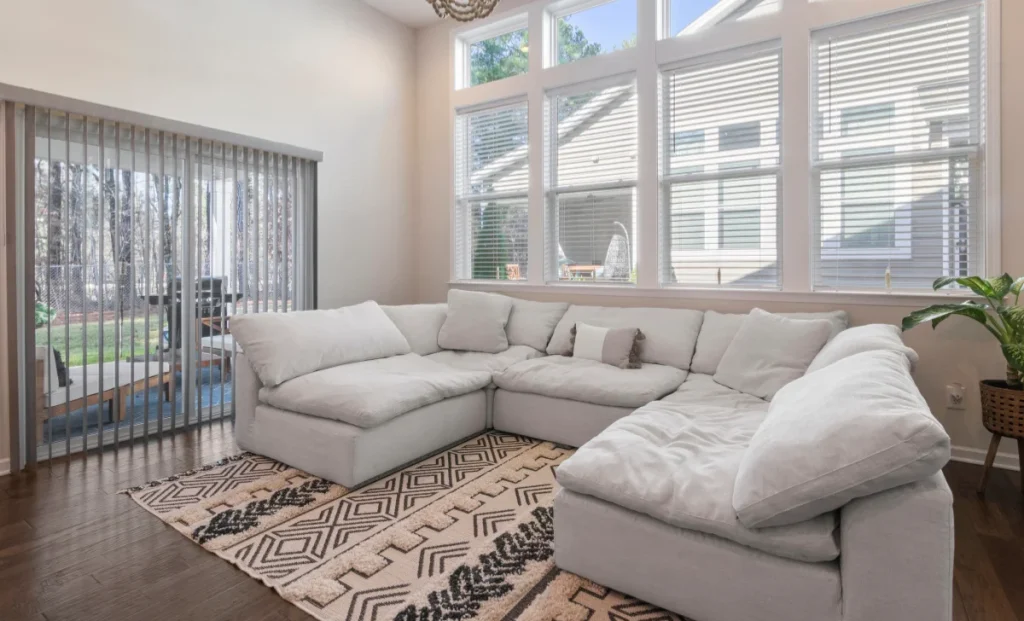
The way we live has changed dramatically over recent decades. Career mobility means frequent moves across cities and countries. Housing costs push people into smaller spaces. Remote work transforms homes into multi-functional environments.
Family structures evolve beyond traditional patterns. These shifts create demands that traditional furniture, designed for stable households in predictable spaces, struggles to meet.
Modular furniture responds to this reality by prioritizing adaptability over permanence. Rather than committing to fixed configurations that might not suit your next apartment or life phase, modular systems adjust to changing circumstances. This flexibility proves increasingly valuable as modern life becomes less predictable and more diverse in its spatial requirements.
The appeal extends beyond pure practicality. Modular furniture allows personal expression through reconfiguration rather than replacement. It lets you test out various layouts and uses. It adapts as your requirements shift instead of becoming outdated.
For people navigating uncertain housing situations, evolving careers, or simply wanting more control over their environments, modular approaches offer genuine advantages over traditional furniture models. Options like custom slipcovers for Ikea models extend this adaptability further, allowing standard modular pieces to be personalized and refreshed without replacing the underlying structure.
The Economic Case for Modularity
Modern economic realities make furniture decisions more consequential than they were for previous generations. Housing instability, student debt, delayed family formation, and career uncertainty all affect how people approach furnishing their homes. Modular furniture addresses several economic pressures simultaneously.
Initial investment often proves lower with modular systems than with traditional furniture of comparable quality. Beginning with basics and buying pieces slowly spreads expenses across months instead of needing big payments at once. This approach suits people building careers or managing variable incomes better than traditional furniture shopping that assumes ability to furnish entire rooms at once.
Adaptability protects investment when circumstances change. Traditional furniture that fits perfectly in one apartment might prove useless in the next, forcing costly replacement or awkward compromises.
Modular pieces reconfigure for different spaces, maintaining value through moves and life changes. A sectional that works in a large living room can separate into a sofa and loveseat for a smaller space, preserving your investment rather than forcing you to start over.
Reduced replacement frequency saves substantially over time. Furniture that adapts to changing needs rather than becoming obsolete lasts longer in actual use, even if its physical durability matches traditional pieces. This longevity compounds economic benefits, as the cost per year of use drops significantly when furniture serves through multiple life phases rather than a single configuration.
Resale value typically exceeds that of traditional furniture because modular pieces appeal to broader markets. Their adaptability makes them useful to more potential buyers, while traditional pieces suit narrower circumstances. This matters when moving or updating, as recovering some investment through resale offsets new purchases.
Spatial Efficiency in Smaller Homes
Housing costs have pushed many people into smaller spaces than previous generations occupied. Urban apartments, studio living, and downsizing all create challenges that traditional furniture exacerbates. Modular furniture addresses spatial constraints through design rather than simply making everything smaller.
Versatile design lets one item do several different jobs. A modular sofa system might include storage, transform into sleeping space, or reconfigure from conversation seating to media-focused arrangements. This versatility makes small spaces livable in ways that traditional furniture cannot match, as each piece does more work.
Proportional flexibility means you’re not stuck with a three-seat sofa when you only have room for two seats. Modular systems let you use exactly the amount of furniture your space accommodates, without awkward gaps or overwhelming crowding. This precision proves particularly valuable in small or awkwardly shaped spaces where traditional furniture rarely fits ideally.
Visual lightness matters in small spaces where heavy, bulky furniture creates oppression. Modular designs often emphasize clean lines and minimal visual weight, making spaces feel larger than traditional upholstered furniture of similar functionality. This psychological benefit complements practical space efficiency.
Lifestyle Flexibility and Life Stage Transitions
Modern life involves more transitions than past generations typically experienced. People move more frequently, change careers, form and reform households, and generally experience less stability in their circumstances. Furniture that adapts to these transitions serves better than pieces designed for permanence.
Young professionals starting out need different furniture than established families, who need different furniture than empty nesters, who need different furniture than individuals downsizing in retirement.
Modular systems can adapt through these transitions, changing configuration and usage while maintaining core components. This lifecycle flexibility matches how people actually live rather than assuming static circumstances.
Working from home has mixed together the areas where we relax and where we do our jobs. A dining table needs to accommodate both meals and video conferences. Living rooms must serve as both relaxation spaces and professional backgrounds. Flexible furniture changes to fit various activities, letting one area handle different tasks during the day.
Household composition changes affect furniture needs dramatically. Singles pair up, couples have children, children leave home, relationships end, new partners arrive. Traditional furniture assumes specific household compositions and struggles when those change. Modular furniture adapts, expanding or contracting as needed rather than becoming obsolete with each life change.
Environmental Considerations
Sustainability concerns increasingly influence purchasing decisions, and furniture represents significant environmental impact through manufacturing, transportation, and disposal. Modular furniture addresses several environmental issues better than traditional alternatives.
Longevity through adaptation means less frequent replacement, reducing the manufacturing impact of constantly producing new furniture. When pieces adapt to changing needs rather than becoming obsolete, they stay in use longer, amortizing their environmental cost across more years of service.
Component replacement allows updating worn sections without discarding entire pieces. When one section of a modular sofa shows wear, you replace that component rather than the whole system. This targeted replacement reduces waste and resource consumption compared to traditional furniture that must be replaced entirely when any part fails.
Easier transportation due to flat-pack or separated components reduces shipping emissions. Modular furniture typically ships more efficiently than traditional pieces, fitting more units per truck and reducing transportation environmental impact.
Second-hand markets work better with modular furniture because its adaptability appeals to more potential users. Traditional furniture that suited one specific space and household often proves difficult to resell, while modular pieces adapt to new situations more readily. This active second-hand market extends useful life and reduces waste.
Design Evolution and Personal Expression
Modular furniture supports evolving aesthetics in ways traditional pieces cannot. As tastes change, homes can adapt without replacing everything, allowing both financial and environmental efficiency alongside personal satisfaction.
Reconfiguration provides fresh layouts without new purchases. Rearranging modular components creates different looks and functions, preventing the staleness that often triggers unnecessary replacement of traditional furniture. This built-in variety satisfies desires for change while maintaining existing investments.
Component updates allow gradual aesthetic evolution. Adding a new section in a different color or material creates visual interest without replacing entire systems. This approach lets style evolve gradually rather than requiring complete overhauls, matching how personal taste actually develops.
Mixing systems from different sources becomes possible when modular standards allow integration. Some brands design for cross-compatibility, letting users combine components from multiple manufacturers into cohesive systems. This flexibility supports highly personalized configurations unavailable with traditional furniture.
Textile changes, particularly through removable covers, provide dramatic aesthetic updates without structural changes. A modular sofa can shift from neutral minimalism to bold pattern simply by changing covers, allowing seasonal updates or complete style pivots without furniture replacement.
Contemporary furniture and design trends reflect this growing preference for adaptable, multi-functional pieces that support evolving lifestyles and aesthetic preferences without requiring constant replacement.
Technical Innovation in Modular Design
Modern modular furniture benefits from manufacturing and material innovations unavailable to earlier generations. These technical advances make contemporary modular furniture superior to both older modular attempts and traditional alternatives.
Connection systems have evolved beyond simple bolts and brackets to sophisticated hidden fasteners that maintain stability while allowing easy reconfiguration. These mechanisms provide security and durability while preserving the flexibility that defines modular furniture.
Advanced materials make things weigh less while staying just as sturdy. Modern foams, engineered woods, and metal alloys create furniture that’s easy to reconfigure and move while maintaining structural integrity and comfort. This balance proved difficult with earlier materials.
Manufacturing precision through computer-aided design and production ensures consistent dimensions and tolerances. This precision allows confident mixing of components purchased at different times, something unreliable with earlier modular furniture where quality control couldn’t guarantee perfect compatibility.
Upholstery innovations create more forgiving fabrics that withstand the increased handling modular furniture receives. Performance textiles maintain appearance despite more frequent configuration changes, addressing a weakness of earlier modular attempts where covers showed wear from repeated adjustment.
Challenges and Limitations
While modular furniture offers significant advantages, it’s not perfect for every situation or user. Understanding limitations allows informed decisions about when modular approaches make sense and when traditional furniture might serve better.
Aesthetic compromises sometimes accompany modularity. The connection points, standardized dimensions, and design constraints necessary for reconfigurability can limit visual refinement. Some people find modular furniture less elegant than traditional pieces, particularly in formal settings where fixed, custom-fitted furniture better suits the atmosphere.
Initial complexity can overwhelm users. Choosing from numerous components and configurations requires more decision-making than selecting a standard sofa. Some people find this freedom paralyzing rather than empowering, preferring the simplicity of traditional furniture shopping.
Quality variations across modular furniture brands create confusion. Some manufacturers prioritize low cost over longevity, producing modular furniture that fails quickly despite its adaptable design. Evaluating quality requires attention to construction, materials, and design, not just modularity itself.
Reconfiguration effort, while not extreme, exceeds leaving furniture alone. Users who never actually reconfigure their modular furniture gain no benefit from its adaptability while potentially accepting aesthetic or comfort compromises inherent in modular design. This makes modular furniture best suited for people who will actually use its flexibility.
Practical Considerations for Choosing Modular Furniture
Successfully incorporating modular furniture requires thought beyond simply buying adaptable pieces. Several practical factors determine whether modular approaches will actually serve your needs.
Assess actual flexibility needs honestly. If you plan to stay in your current space indefinitely with stable household composition and clear functional requirements, traditional furniture might serve as well or better. Modular furniture shines when circumstances change, but unchanging circumstances reduce its advantages.
Consider reconfiguration frequency realistically. Will you actually rearrange quarterly, annually, or never? If you’re unlikely to modify your furniture regularly, ensure the modular system works well in its initial configuration rather than prioritizing reconfiguration potential you won’t use.
Evaluate quality markers carefully, as modularity doesn’t guarantee durability. Frame construction, cushion density, fabric quality, and connection mechanisms all matter as much for modular furniture as traditional pieces. Poor-quality modular furniture fails just as quickly as poor-quality traditional furniture.
Plan for expansion or reduction thoughtfully. Flexible setups perform better when you’re able to put in or take out parts as your situation evolves. Ensure the system you choose remains available for future purchases, or accept that your initial purchase represents your complete system.
Future Directions in Modular Design
Modular furniture continues evolving as manufacturing capabilities advance and lifestyle patterns shift. Several trends suggest where modular design might move in coming years.
Smart integration incorporating charging, lighting, and connectivity increasingly appears in modular furniture. These features enhance functionality while maintaining reconfigurability, creating furniture that adapts both physically and technologically to changing needs.
Sustainable materials and manufacturing receive growing attention as environmental concerns influence design priorities. Modular furniture already offers sustainability advantages through longevity; combining this with lower-impact materials and production methods could significantly reduce furniture’s environmental footprint.
Customization technology allowing personalized configurations and finishes makes modular furniture increasingly individualized. Digital design tools let customers visualize and specify exact configurations, while manufacturing flexibility enables efficient production of customized orders.
Making Modular Furniture Work
Success with modular furniture requires matching its strengths to your actual needs and circumstances.
For people navigating frequent moves, evolving households, or changing spatial requirements, modular approaches offer genuine advantages in economy, sustainability, and functionality. For those in stable situations with clear, unchanging needs, traditional furniture might serve equally well while avoiding modular complexity.
The key thing is to be truthful with yourself about how you live and what matters to you. Modular furniture rewards flexibility with flexibility, but demands engagement with that flexibility to justify its compromises. When circumstances align with modular strengths, these systems provide solutions traditional furniture simply cannot match.
