
Why More Skiers Are Choosing Chambery Airport for Their Val Thorens Transfer
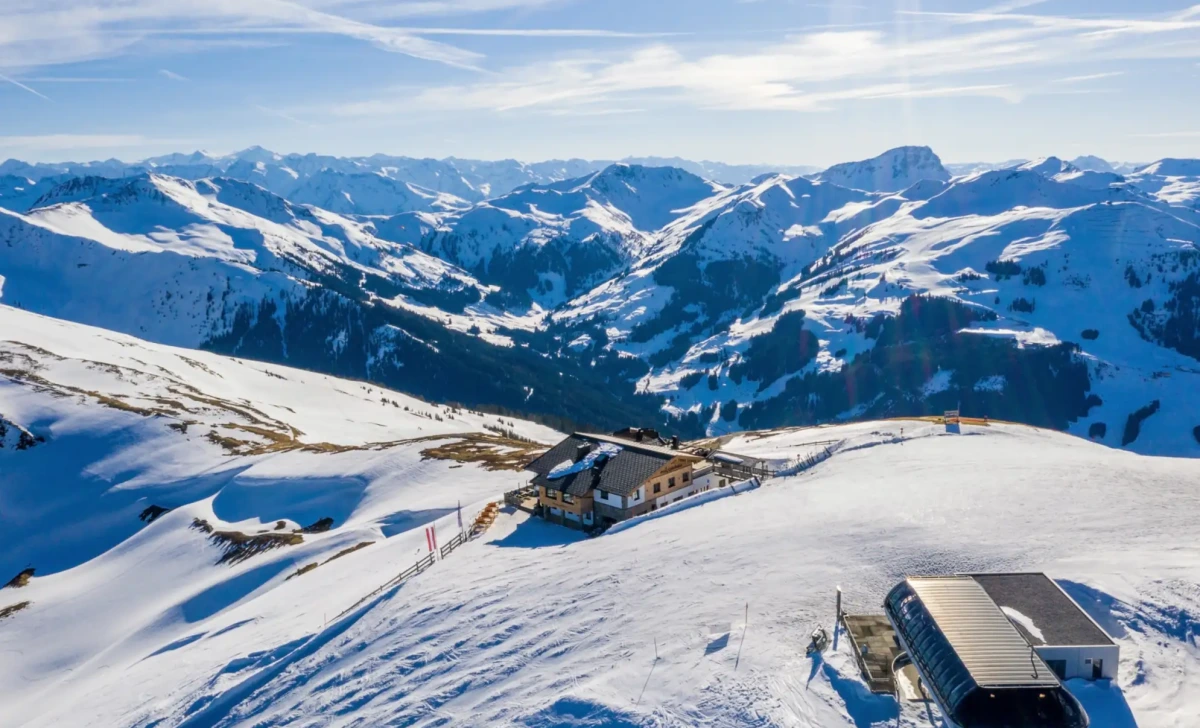
The conversation about which airport to use for a Val Thorens ski trip usually begins and ends with Geneva. Geneva has the flight frequency, the developed transfer infrastructure, and the familiarity that comes from being the default choice for most of the Alps for most of the past three decades. It’s a trustworthy choice, and most folks don’t much consider other possibilities
Chambéry tends to get a brief mention as the closest airport and then gets passed over because of the limited flight schedule. That’s a reasonable analysis if your only goal is minimising the risk of not getting a flight at all.
But for skiers whose travel dates and origins align with what Chambéry offers, the transfer from Chambery Airport to Val Thorens is a materially better experience than the Geneva equivalent, and the growing number of skiers using it suggests that more people are running the comparison honestly rather than defaulting to the familiar option.
The Distance Advantage Is Significant
Chambéry is the closest airport to Val Thorens. That’s not marketing language, it’s geography. The journey time for a transfer from Chambery Airport to Val Thorens is estimated at approximately one hour and 45 minutes covering around 122 kilometres.
Compare that to Geneva at roughly three to three and a half hours covering 196 kilometres, and the practical implication is clear: you spend an hour and a half less in a vehicle on each direction of the trip.
For a week-long ski holiday, that’s three fewer hours in transit across the whole trip. For families with young children who find the tail end of a long transfer increasingly difficult, it’s a genuinely different experience. For skiers who want to maximise days on the hill and minimise arrival fatigue, it’s a real consideration rather than a marginal one.
The route from Chambéry Airport joins the A43 heading southeast, continues toward Albertville, then takes the N90 south toward Moûtiers, before climbing via the D117 through Les Menuires to Val Thorens.
Most of the journey is motorway or fast dual carriageway until the final mountain section, which makes the drive itself less demanding than the winding approach roads that characterise some Alpine transfers.
The Saturday Congestion Problem Is Smaller
Anyone who has travelled to Val Thorens on a peak season Saturday from Geneva understands the Moûtiers bottleneck. The N90 above Moûtiers is the single road serving the Three Valleys, and on changeover Saturday when thousands of guests are simultaneously arriving and departing across Val Thorens, Les Menuires, Méribel, and Courchevel, the queue above Moûtiers can extend significantly.
A Geneva transfer that takes three hours on a Wednesday can take four and a half or more on a busy January Saturday.
The Chambéry transfer has the same Moûtiers bottleneck to navigate, but the baseline journey is shorter, which means that even with Saturday congestion factored in, the total transfer time is considerably less than the Geneva equivalent under the same conditions.
The section of the journey that’s genuinely exposed to mountain traffic congestion is the final approach above Moûtiers, which both airports share. The key distinction lies in how much highway driving happens before that
This makes Chambéry disproportionately advantageous for the Saturday arrivals that school-holiday family trips and peak season bookings typically require.
What the Flight Landscape Actually Looks Like
The main reason Chambéry doesn’t receive more attention is that the flight schedule is thinner than Geneva’s. This is a real limitation and worth being honest about, because it constrains who the Chambéry option is actually available to.
EasyJet and Jet2 have regular arrivals at Chambéry. The airport serves a range of UK regional airports during the winter ski season, and for travellers departing from origins that those carriers serve, the direct service to Chambéry often has reasonable fares and timing.
The meaningful constraint is that Chambéry has less frequency than Geneva, with most services concentrating on Saturdays during peak season. It’s not an airport that works for every travel pattern or every departure point, but for travellers whose origin and preferred dates align with its schedule, the flight options are genuine rather than purely theoretical.
Because the airport is in a rather tight valley, it often draws poor weather, leading to flight delays or changes of destination quite often This is the most practical risk associated with Chambéry that doesn’t apply to Geneva in the same way. Geneva sits at a lower altitude in a more open location and is significantly less susceptible to weather-related disruption.
Travellers choosing Chambéry should be aware that weather diversions are more common here than at the region’s larger airports, and should factor this into their contingency planning, particularly for tight connection itineraries.
The Transfer Itself Is Predominantly Private
Unlike Geneva, which has a developed shared shuttle infrastructure running multiple services daily throughout the ski season, the transfer from Chambery Airport to Val Thorens is predominantly a private transfer market.
Chambery is the nearest airport to Val Thorens, however, it only offers a small selection of flights The limited flight frequency means shared services don’t have the passenger density to run viable scheduled shuttles at the same frequency as Geneva. For travellers who would normally opt for a shared service on price, this is a factor to weigh.
Private transfers from Chambéry to Val Thorens start at around €59 per person with some operators, though pricing varies by vehicle type, group size, and date.
For groups of four or more, the per-person cost of a private transfer narrows considerably compared to the shared service equivalent from Geneva, and the combination of the shorter journey, door-to-door service, and no intermediate stops often makes the overall value case straightforward.
The transfer is simply more direct than the Geneva equivalent in operational terms: a driver meets you at arrivals, loads your equipment, and takes your group to your accommodation without the intermediate stops at other resorts or fixed drop-off points that characterise shared shuttle services from Geneva.
Who Should Seriously Consider Chambéry
Not everyone, and it’s worth being specific about who the Chambéry option genuinely suits.
If you’re travelling from a UK regional airport served by EasyJet or Jet2 ski services, or if a direct Chambéry route is available from your departure airport at a competitive price, the transfer case is strong. The journey is shorter, the transfer is direct, and unless your flight schedule is unusually tight, the weather disruption risk is manageable with appropriate contingency planning.
If you’re travelling in a group of four or more, the private transfer cost per person from Chambéry is often comparable to or better than the total cost including the shared service from Geneva once you account for the shorter journey time and door-to-door delivery.
If you’re travelling with young children, the transfer from Chambery Airport to Val Thorens is noticeably easier: less time in the vehicle, less time managing children in transit, and a shorter exposure to any Saturday congestion that can’t be avoided.
The Geneva option remains the right choice when Chambéry flights don’t match your travel dates or departure point, when frequency and scheduling are more important than transfer time, or when the weather disruption risk matters more than the journey time saving.
Both airports work. The question is which one works better for your specific trip, and Chambéry deserves to be in that comparison rather than being dismissed before it’s properly evaluated.
