
Why Successful Outdoor Projects Start With Planning, Not Guesswork
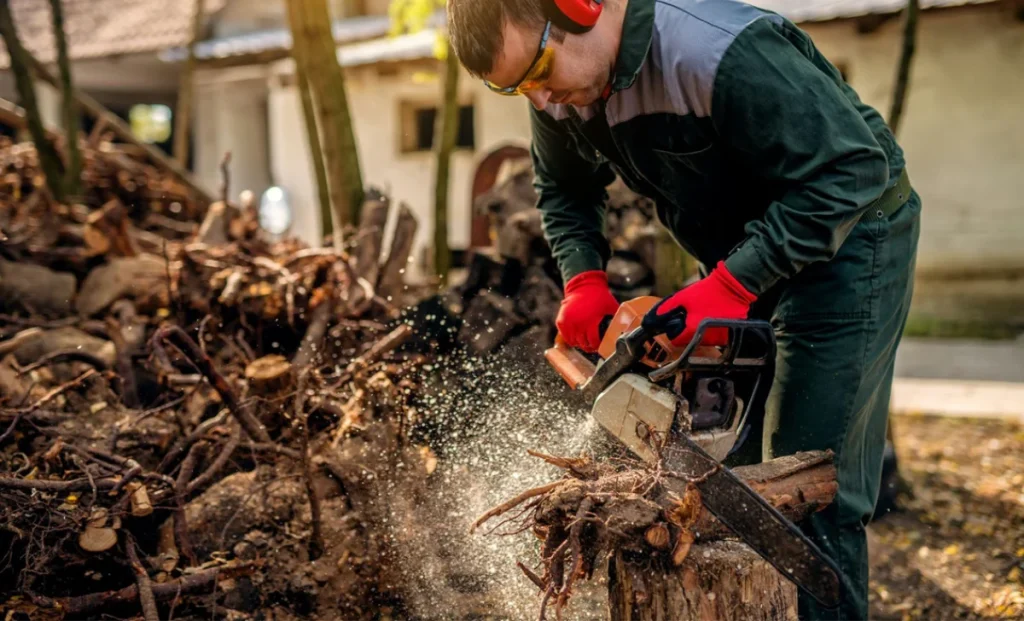
Outdoor projects often begin with enthusiasm and end with unnecessary effort. Many people dive straight into the work, adjusting as they go, believing that hands-on problem-solving will be enough. While this approach can work for small, one-off tasks, it frequently leads to wasted time, physical strain, and inconsistent results on larger or recurring projects.
Better outdoor tasks begin sooner through preparation based on actual situations instead of guesses.
This is why experienced property owners increasingly begin by assessing scope, frequency, and constraints before committing to tools or methods, sometimes using broad equipment resources such as Equipment Outfitters as part of that early research phase, not to decide what to buy immediately, but to understand what options make sense for the work ahead.
Moving from guesswork to planning doesn’t slow projects down. It makes them more predictable.
Why Guesswork Feels Efficient but Rarely Is
Guesswork feels fast because it avoids upfront decisions. Instead of pausing to evaluate the task, people start working and solve problems as they appear. The downside is that those problems often show up when energy is already being spent.
Mid-project adjustments interrupt flow. Tools may need to be swapped, materials reorganised, or approaches changed entirely. Each interruption adds friction, and over time, that friction compounds into longer timelines and higher fatigue.
What seemed like a time-saving shortcut often ends up costing more time than planning would have. Planning shifts decision-making to the beginning, when it’s cheaper and easier to change course.
Outdoor Projects Are Shaped by Conditions, Not Intentions
No two outdoor projects are truly the same. Weather, terrain, access, material type, and frequency of work all influence how a task should be approached. Guesswork tends to ignore these variables, relying instead on how a project looks on the surface.
Planning forces a closer look. Is the ground uneven? Will materials be wet or dry? Is access limited? How often will this task repeat across a season or year? Answering these questions early helps shape methods that fit reality rather than fighting against it.
Projects run more smoothly when conditions are acknowledged instead of discovered late.
Planning Reduces Physical Strain Before It Starts
A commonly missed advantage of planning is how it affects body wellness. Many injuries and aches associated with outdoor work are not caused by the workload itself, but by inefficient handling and repeated overexertion.
When projects are planned, tasks can be staged logically. Heavy work can be spaced out, materials positioned to minimise lifting, and workflows designed to reduce unnecessary movement. This turns demanding jobs into manageable sequences instead of exhausting marathons.
The Occupational Safety and Health Administration has consistently highlighted overexertion and improper material handling as leading causes of injury in outdoor and manual work, underscoring the role of planning in reducing risk before work begins.
Time Savings Come From Fewer Corrections
Planning rarely feels dramatic. Its benefits are subtle, showing up as fewer stops, fewer mistakes, and fewer moments of frustration. But these small efficiencies add up quickly.
Projects that are planned tend to move forward in a straight line.
There’s less backtracking, less redoing work, and less improvisation under pressure. Even when unexpected issues arise, a solid plan makes them easier to absorb without derailing progress.
Time saved through planning isn’t always obvious at the moment, but it becomes clear when projects finish earlier and with less stress.
Smarter Planning Improves Decision Confidence
Another hidden cost of guesswork is uncertainty. When decisions are made on the fly, it’s harder to feel confident about them. Doubt creeps in, leading to second-guessing and hesitation. Planning creates clarity.
When choices are based on defined needs and constraints, it’s easier to commit to them. This confidence improves execution, because energy is spent on doing the work rather than questioning each step. Clear plans don’t eliminate all uncertainty, but they significantly reduce it.
Why Repetition Demands Better Planning
One-off projects can sometimes survive guesswork. Repeated projects cannot. Tasks that happen weekly, monthly, or seasonally amplify inefficiencies over time. Small mistakes become chronic problems.
Planning is especially important for recurring outdoor work because it allows systems to be refined. What works well once can be improved and repeated. Eventually, this creates work processes that are quicker, more secure, and easier on the body. Repetition rewards preparation more than improvisation.
Planning Encourages Sustainable Work Habits
Outdoor projects often fail not because they’re too difficult, but because they’re too exhausting to repeat. When work is approached reactively, it tends to be done in intense bursts followed by long recovery periods.
Planning encourages sustainability. Work can be broken into smaller, more consistent sessions that fit into regular routines. This reduces burnout and keeps projects moving forward steadily rather than in cycles of urgency and avoidance. Sustainable habits matter more than occasional bursts of productivity.
Tools Should Follow the Plan, Not Lead It
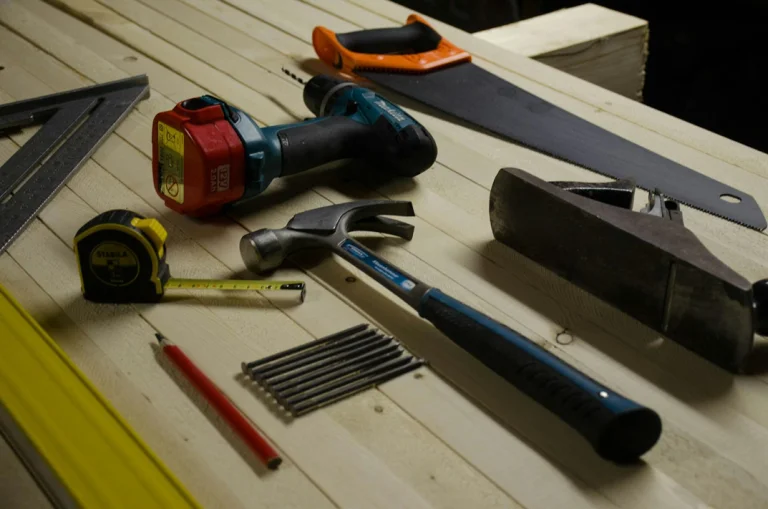
A common mistake is allowing tools to dictate how work is done. When planning is skipped, people often rely on whatever tools they already have, even if those tools aren’t well suited to the task.
Smarter approaches reverse this logic. The plan defines the requirements, and tools are chosen or adapted to meet those requirements. This alignment reduces frustration and increases efficiency.
Tools work best when they support a clear strategy rather than compensating for the lack of one.
Weather and Timing Are Planning Variables
Outdoor projects are uniquely exposed to weather and seasonal changes. Guesswork often ignores timing, leading to work being attempted under poor conditions that make everything harder.
Planning accounts for these variables. Tasks can be scheduled for favourable conditions, materials can be protected, and work can be paused without chaos when conditions change. This adaptability lowers stress and boosts outcomes. Scheduling isn’t only for comfort. It’s about what’s actually possible.
From Reactive to Intentional Outdoor Work
The real shift from guesswork to planning is a shift in mindset. Responsive work handles issues as they come up. Intentional work anticipates them and reduces their impact.
Intentional outdoor projects feel calmer.
Progress is steadier, effort is more controlled, and results are more reliable. This doesn’t eliminate challenges, but it ensures they’re handled within a framework rather than in isolation.
Planning doesn’t remove the need for experience. It gives experience a structure to work within.
Planning Is the Quiet Advantage
Smarter outdoor projects don’t start with harder work or faster tools. They start with understanding. By taking time to assess conditions, define needs, and think through workflows, guesswork is replaced with clarity.
This clarity saves time, protects physical health, and makes outdoor work more manageable over the long term. In the end, planning isn’t an extra step added to the process. It’s the action that improves all other tasks.
