
Why Clean Windows Don’t Stay Clean and What Actually Fixes That
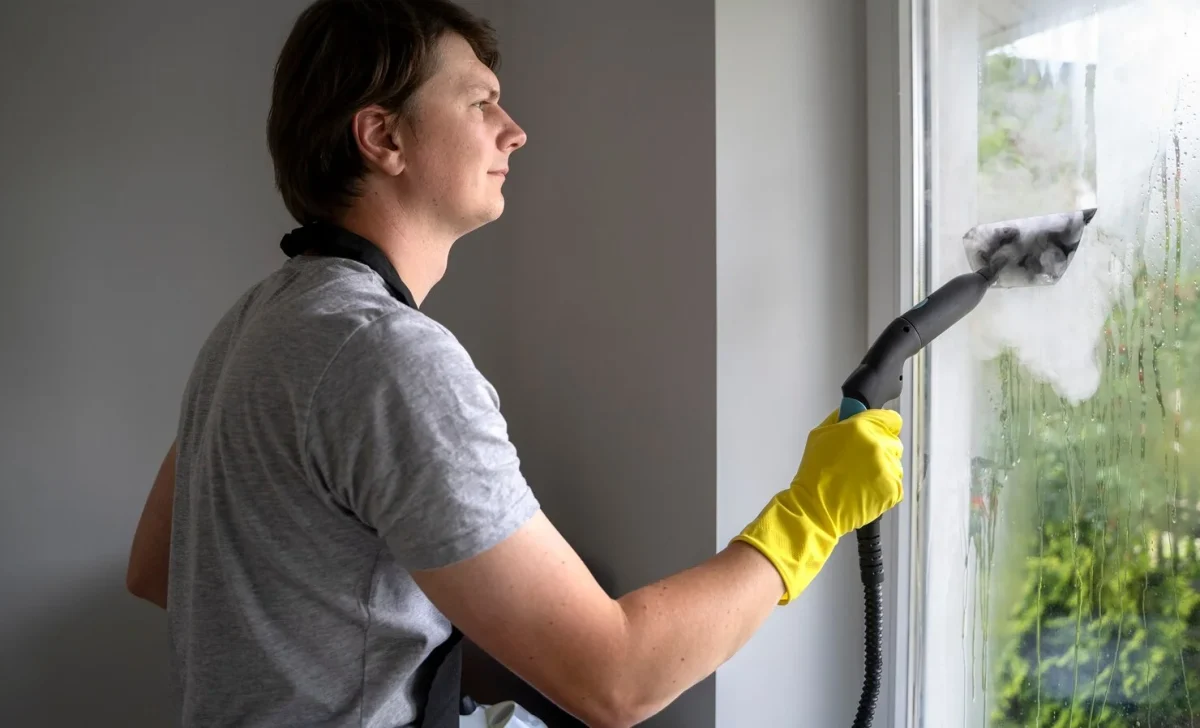
Glass is one of the few surfaces in a home that looks obviously wrong the moment it’s dirty, yet most people underestimate how quickly it gets that way again. A window wiped down on a Saturday can look streaked or hazy within days, not because the effort was wasted, but because what’s actually accumulating on glass is more complicated than simple dust, and a quick wipe rarely addresses all of it.
What’s Actually Building Up on Your Glass
Glass collects several distinct types of buildup, and each one behaves differently. Hard water leaves behind mineral deposits every time it dries on the surface, creating a cloudy film that gets denser with every rainstorm or sprinkler cycle that hits the glass.
Pollen settles into a thin layer during spring months, and because it’s slightly sticky, regular dust cloths often just smear it around instead of lifting it off. Spider webs and small insect debris accumulate in corners and along frames, especially on windows near outdoor lighting. And ordinary dust, given enough time and enough humidity, can bond to the glass surface in a way that’s noticeably harder to remove than freshly settled dust would be.
None of these problems announce themselves the way a muddy handprint does. They build gradually, which is exactly why so many windows look “clean enough” right up until the light hits them at a certain angle and reveals just how much has actually accumulated.
What Dull Glass Is Costing You Without You Noticing
The most immediate effect is light. Windows are one of the main sources of natural light in most homes, and a layer of grime, even one too thin to notice up close, can measurably dim a room, making spaces feel duller than their actual layout and lighting would otherwise allow.
There’s also a slower cost to the window frames and seals themselves. Grime and moisture sitting against a frame for extended periods can accelerate wear on caulking and weatherstripping, the same materials responsible for keeping a home properly insulated. For anyone planning to sell a home, dull or streaked glass is also one of the more common small details that affects a buyer’s first impression before they’ve even stepped inside.
The most frustrating cost, though, is how much harder the problem gets to fix over time. Mineral deposits from hard water start as a light film that’s relatively easy to remove, but if left long enough, they can etch into the glass surface, creating a permanent haze that no amount of cleaning, professional or otherwise, can fully reverse.
When a Quick Wipe-Down Isn’t Enough Anymore
A few signs tend to indicate that regular at-home cleaning has stopped keeping up:
- Streaks that reappear within a day or two of cleaning, no matter what product is used
- An appearance that stays cloudy or hazy even after wiping it down
- Visible white or chalky spots, usually a sign of mineral buildup from water
- Dark spots or discoloration near the frame, a possible sign of trapped moisture or mold starting to develop
- Screens that look dingy even after the glass itself has been cleaned
Chalky white spots are worth paying particular attention to. By the time they’re visible, hard water deposits have often already started bonding to the glass in a way that basic glass cleaner won’t fully remove.
Where Most At-Home Attempts Go Wrong
A few common habits tend to make window cleaning less effective, and sometimes counterproductive. Using the wrong tool is one of the biggest culprits: paper towels can leave behind lint and streaks, while abrasive sponges or scouring pads can create fine scratches that become more visible over time, especially in direct sunlight.
Cleaning on a hot, sunny day is another common mistake: the heat causes cleaning solution to dry too quickly, leaving behind streaks before it’s had a chance to be wiped away properly.
Hard water stains present a different problem entirely: most all-purpose glass cleaners aren’t formulated to break down mineral deposits, so repeated attempts with the wrong product can polish around the stain without actually removing it. And for windows on upper floors or hard-to-reach areas, the biggest risk isn’t streaking at all; it’s the physical safety of attempting the job from a ladder or an awkward angle.
What a Thorough Glass Cleaning Actually Involves
A proper cleaning typically starts with removing loose debris from frames, sills, and screens before the glass itself is touched, since skipping this step just means dragging dirt across the surface during cleaning.
This is followed by treating the glass with a solution designed to break down mineral buildup rather than a standard all-purpose cleaner, then a careful squeegee pass that removes both the solution and the loosened grime in a single motion, the technique that prevents the streaking most at-home attempts struggle with. Frames, tracks, and screens are typically addressed separately, since they collect a different kind of buildup than the glass itself.
How Climate and Water Quality Affect How Often You Need This
Where a home is located plays a bigger role in cleaning frequency than most people expect. Homes in regions with hard water tend to develop mineral buildup faster, regardless of how often the glass is wiped down, simply because every bit of rain or sprinkler overspray adds another thin layer of deposits. Homes near flowering trees or open fields deal with heavier pollen buildup each spring, often requiring extra attention during that season specifically.
Areas with more rain or higher humidity see faster regrowth of mold or mildew near frames, while drier climates tend to deal more with dust adhesion than moisture-related buildup.
A Realistic Schedule for Keeping Glass Clear Year-Round
Dull or streaked glass tends to get dismissed as a cosmetic issue, but it’s usually a sign of buildup that’s been accumulating in ways a simple wipe-down can’t address. Catching it early, before mineral deposits set in or frames start absorbing excess moisture, is almost always easier and cheaper than dealing with the damage once it’s fully set.
If it’s been a while since your windows had more than a quick pass with a paper towel, it might be worth seeing what a professional cleaning actually looks like before the buildup gets any further along.
