
How to Find Nearby EV Charging Stations When Travelling in Australia
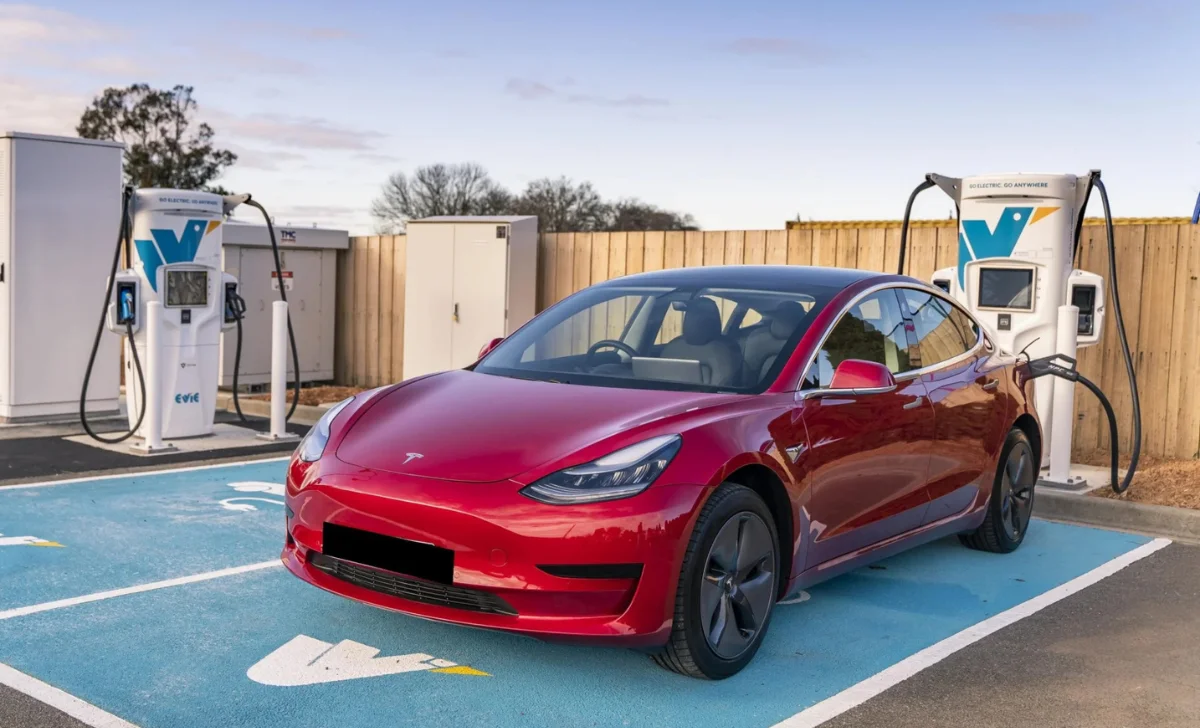
As electric vehicles (EVs) continue to grow in popularity across Australia, more drivers are choosing cleaner and more cost-effective transport options for both daily commuting and long-distance travel. While EV technology has advanced significantly, one of the most common concerns for travellers remains access to reliable charging infrastructure, particularly when driving in unfamiliar regions.
Fortunately, finding a nearby electric car charging station while travelling is now easier than ever. With the right planning, tools, and knowledge of Australia’s charging networks, EV drivers can travel confidently without range anxiety. This guide outlines practical and effective ways to locate EV charging stations when on the road, ensuring a smooth and stress-free journey.
Plan Ahead Before You Travel
A key thing to do when driving an electric car is figuring out where to charge before you start your trip. Unlike petrol stations, EV chargers can vary in availability, speed, and compatibility, particularly in regional and remote parts of Australia.
Before departing, review your route and identify charging locations along the way, including backup options. Consider factors such as driving distance, elevation, weather conditions, and your vehicle’s real-world range. Preparing beforehand stops surprise hold-ups and makes sure you don’t depend on just one charging spot.
Many EV drivers in Australia plan trips around major highways where fast-charging infrastructure is more established, such as the Hume Highway, Pacific Highway, and major intercity routes.
Use EV Charging Apps and Online Maps
Dedicated EV charging apps and platforms are among the most reliable tools for finding nearby charging stations while travelling. These programs give you current details on where chargers are, if they’re free, how fast they work, and what others say about them.
Common electric car charging programs people use in Australia are:
- PlugShare – Widely used by Australian EV drivers, offering detailed maps, filter options, photos, and user-reported status updates.
- Chargefox – A major Australian charging network with ultra-rapid chargers along highways and in metropolitan areas.
- NRMA EV Charging – Particularly useful in New South Wales and regional areas, often located at tourist destinations.
- Evie Networks – Expanding rapidly across Australia with fast and ultra-fast chargers.
In addition to apps, Google Maps and Apple Maps increasingly display EV charging stations. Simply searching “EV charging stations near me” or “electric car charger” can produce useful results, especially in urban areas.
Understand Charger Types and Compatibility
When locating nearby EV charging stations, it is essential to understand the different charger types available and which are compatible with your vehicle. In Australia, the usual charging types you’ll find are.
- AC chargers (Type 2) – Slower chargers often found at shopping centres, hotels, workplaces, and public car parks.
- DC quick chargers (CCS2 and CHAdeMO) – Fast charging options perfect for long drives, usually found on main roads and busy routes.
Knowing your vehicle’s charging capability will help you select suitable stations and estimate charging time accurately. For long-distance travel, DC fast chargers are generally preferred, as they can recharge most EVs to 80 per cent in 20 to 45 minutes.
Leverage In-Vehicle Navigation Systems
Many modern electric vehicles sold in Australia include built-in navigation systems designed specifically for EV travel. These systems can automatically suggest charging stops based on your battery level, driving conditions, and destination.
In-vehicle navigation often integrates live data, such as charger availability and charging speed, allowing drivers to make informed decisions while driving. Using your vehicle’s navigation system in combination with mobile apps provides an added layer of confidence, particularly on unfamiliar routes.
Consider Accommodation and Destination Charging
When travelling long distances or staying overnight, choosing accommodation with EV charging facilities can significantly simplify your journey. Many Australian hotels, motels, caravan parks, and holiday resorts now offer EV charging as an amenity.
Destination chargers allow you to recharge while you sleep, dine, or explore, reducing reliance on public fast chargers. Booking accommodation with charging access can be particularly beneficial in regional and tourist areas where public infrastructure may be limited.
Similarly, many shopping centres and tourist attractions across Australia provide EV chargers, making it easier to top up while enjoying your destination.
Be Prepared for Regional and Remote Travel
While Australia’s EV charging network is expanding rapidly, coverage in regional and remote areas can still be inconsistent. When travelling outside major cities, it is especially important to plan conservatively.
Check recent user reviews on charging apps, confirm operating hours, and identify alternative charging locations within range. Some regional chargers may require activation via specific apps or RFID cards, so ensure your accounts are set up before travelling.
For remote travel, consider slower AC chargers, council-operated stations, or even caravan park power outlets if available. Patience and flexibility are key when travelling beyond metropolitan areas.
Monitor Battery Usage and Drive Efficiently
Locating close electric vehicle charging points is just one piece of the puzzle. Using smart driving habits can make your battery last longer and cut down how often you need to charge. Maintaining moderate speeds, using regenerative braking, and minimising excessive air-conditioning or heating can all improve efficiency.
Regularly monitor your battery level and projected range, especially when travelling in hilly terrain or strong headwinds, which can increase energy consumption.
Conclusion
Travelling in an electric vehicle across Australia is becoming increasingly convenient as charging infrastructure continues to expand.
By planning ahead, using reliable EV charging apps, understanding charger compatibility, and leveraging both in-vehicle and destination charging options, EV drivers can confidently find nearby charging stations wherever their journey takes them.
With the right preparation, electric vehicle travel is not only practical but also an enjoyable and sustainable way to explore Australia’s cities, coastlines, and regional destinations.
