
7 Benefits of Living in a Community With Shared Activities
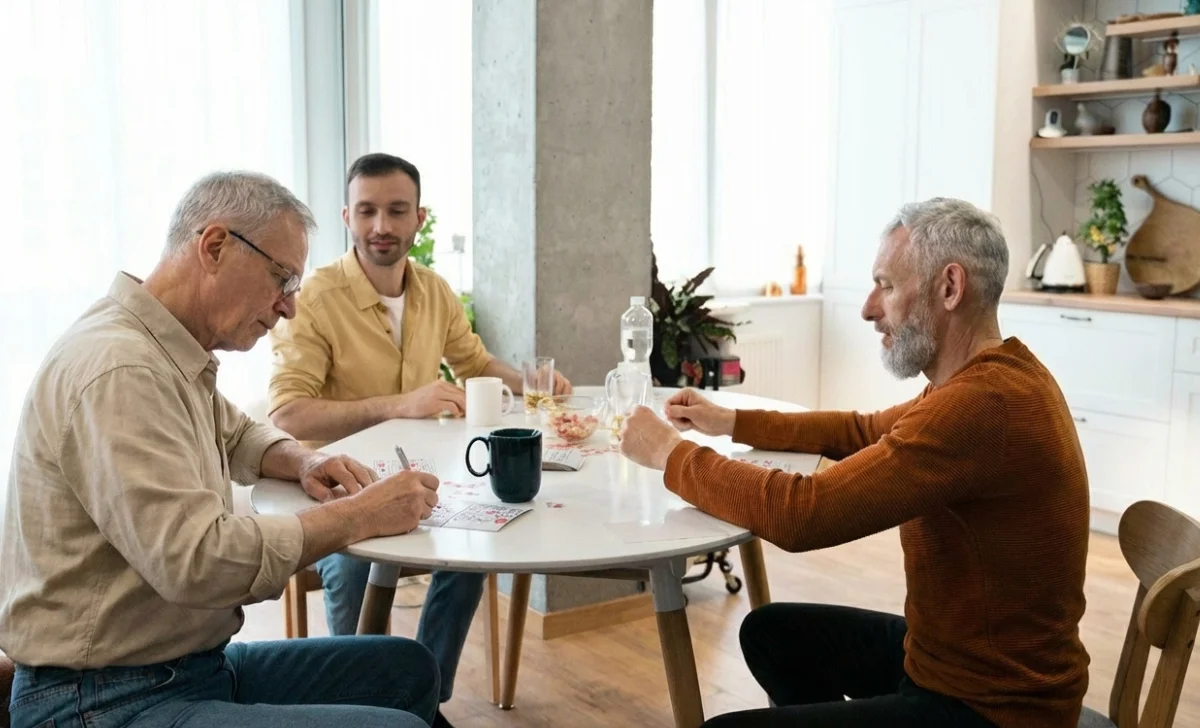
In their golden years, most individuals prefer to live in communities that offer shared activities. Whether you or any of your loved ones want to live in a community, but are confused about how its shared activities can benefit you, you’re not alone.
Here are seven key benefits that will compel you to reside in a senior living community that promises shared activities. Let’s review each of them in detail.
Enhanced Social Connections and Reduced Loneliness
Communal activities foster regular social interactions. They fight off isolation and loneliness, both of which are the most common risk factors for anxiety and depression.
To prevent them, communities such as the Conservatory at Keller Town Center and other states allow residents to engage with neighbors in group settings – a sure way to build meaningful relationships. In a friendly and supportive environment, people feel less isolated and more valuable than ever.
Fostering a Strong Sense of Belonging
Senior living communities allow residents to participate in shared activities, helping them feel part of something bigger than themselves. This way, their community identity and cohesion are strengthened. This shared identity often boosts self-esteem and creates a welcoming atmosphere. That’s where neighbors genuinely care about each other’s health and well-being.
Increased Safety and Shared Responsibility
Better security is what a tight-knit community often promises. This happens because people who are familiar with their neighbors tend to look after each other better. In light of this, communities focused on shared vigilance and community watch efforts create and offer a safer living environment. This brings complete comfort and reassurance to both older adults and the people who care about them.
Improved Mental and Physical Health
Another compelling benefit is that communal living encourages healthier lifestyles through shared activities, such as exercise classes, hiking groups, or wellness programs. Beyond that, strong social support networks work wonders at reducing stress and improving overall mental health.
Access to Shared Resources and Cost Savings
Senior living communities with shared activities often provide access to communal amenities, including gardens, gyms, tools, and workspaces. They all might be too expensive to own individually. Additionally, pool resources can lead to reduced costs for utilities and household maintenance. Hence, we can say that senior residents can enjoy a more sustainable lifestyle there.
Support Network During Challenging Times
Communities allow neighbors to engage in shared activities and develop strong bonds. In emergencies or times of need, such connections can serve as support networks. This safety net means residents receive help with tasks like childcare, errands, or just emotional support. Overall, they don’t have to bear the burden of navigating life alone.
Personal Growth and Skill Sharing
Often, communities designed for senior care and support host workshops, educational seminars, and skill-sharing sessions, such as gardening, repairs, and other topics, to foster continuous learning.
By exchanging skills and information, experts help community members gain insights from one another’s varied life experiences. In return, their creativity and personal development continue to boost.
Conclusion
In all these exceptional ways, communities with shared activities enhance seniors’ quality of life, boost their independence, and foster social engagement.
Just choose the right community that offers so many opportunities to make residents feel more valued, cared for, and supported than ever.
