
Things Your Cleaner Won’t Tell You (But You Wish She Would)
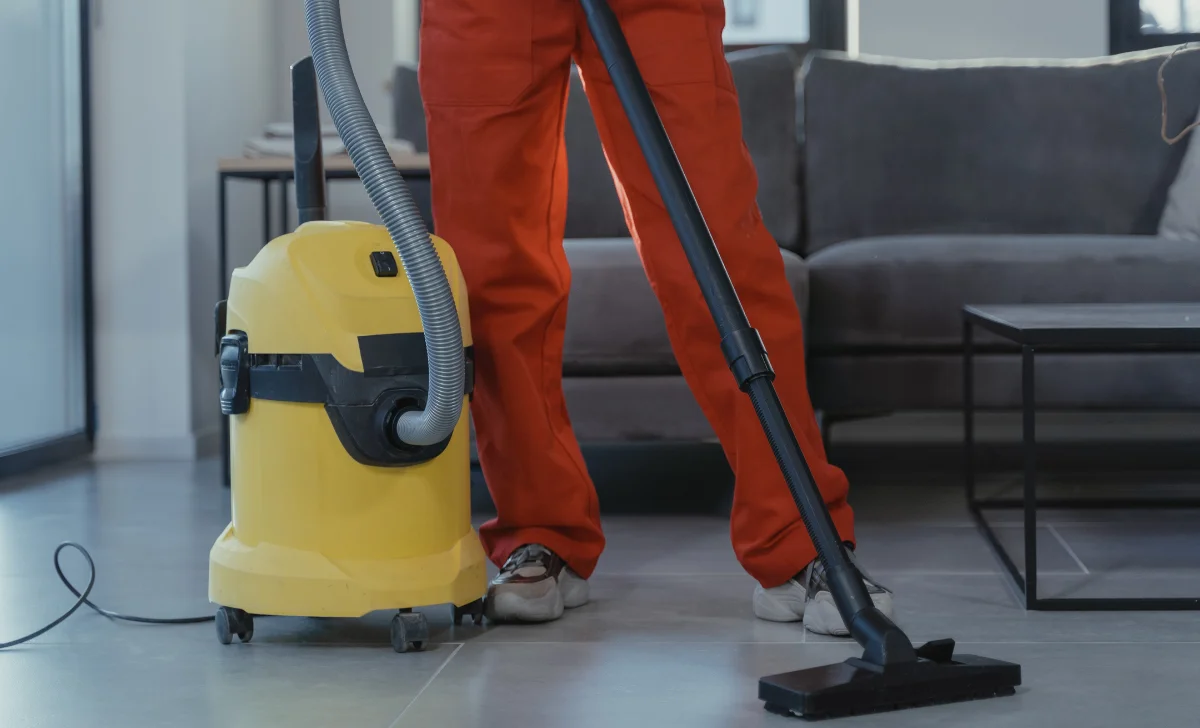
Maria’s been cleaning the apartment every other week for eight months. She’s reliable, does solid work, charges a reasonable rate. There are polite, brief interactions when she arrives during her visits.
There’s genuine belief that she’s doing a good job. The place always looks better after she leaves.
But there are almost certainly things she’s noticed, things she knows, things that probably matter – that she’ll never mention because that’s not how this relationship works.
The Unspoken Professional Distance
Here’s what’s strange about hiring someone to clean a home: you’re inviting them into the most private space, yet the relationship stays carefully distant and transactional.
They notice signs of real everyday life in the home. The mess made, the habits kept, the things neglected. They’re intimately familiar with a space in ways friends aren’t.
Yet there’s an invisible boundary neither party crosses. Personal questions go unasked. Observations go unvolunteered. Everyone maintains professional distance even though the work itself is deeply personal.
This boundary serves both parties. It keeps things comfortable, prevents awkwardness, and maintains a clear employer-service provider dynamic.
But it also means information that could actually be useful never gets shared, because crossing that boundary feels inappropriate.
What She Probably Notices But Won’t Say
The dishes left in the sink. She arrives to find the kitchen counter covered in breakfast dishes. Every single time. She never mentions it, just cleans around them or does them herself depending on her scope.
But it makes her job harder. Starting with someone else’s mess instead of jumping straight into actual cleaning work.
A professional cleaner wouldn’t complain — that’s not her role. But if she felt comfortable being direct: “Hey, if you could just do your dishes before I arrive, I could focus on actually deep-cleaning your kitchen instead of dealing with the immediate aftermath.”
The bathroom shows signs it’s not being cleaned between visits. She comes every two weeks. Bathrooms should get some attention between professional visits. Clearly, they’re not — based on what she probably finds each time.
Again, not her place to mention. She’s hired to clean, so she cleans whatever condition she finds. But neglecting the space between visits creates more work for her.
Certain areas never get attention and are developing real problems. Behind the bed. Under the couch. Places that would require moving furniture to properly clean. These probably have dust and debris accumulation that needs addressing.
She’s not going to move furniture unprompted — that’s beyond standard scope. But she can see what’s happening in those areas and knows they need attention they’re not getting.
Air quality is probably suffering from things that aren’t being maintained. Dusty fan blades, grimy air openings, and glass that needs washing on both sides. Floors and surfaces get cleaned, but there’s environmental stuff affecting the space that’s outside her scope.
It would be helpful if she mentioned: “You should probably get those vents cleaned” or “Your ceiling fans are really dusty and affecting air circulation.” But that feels like overstepping, so — silence.
Some belongings are getting damaged from improper storage or neglect. Books gathering dust, fabrics developing issues from lack of maintenance. Small things she notices that indicate possessions aren’t being cared for properly.
It’s not her job to inventory belongings or advise on care. But she sees things deteriorating that simple habit changes would prevent.
The Feedback Worth Having But Never Offered
Sometimes the question arises: what would happen with a direct ask — “What should be done differently? What’s being missed? What problems are developing?”
Would she answer honestly? Or would professional distance prevent real feedback even when directly invited?
The likely answer: even if asked, she’d stay diplomatic and vague. “Everything looks fine. You’re doing great.” Because giving real critical feedback to an employer feels risky and uncomfortable regardless of the invitation.
But that feedback has genuine value. There’s expertise being paid for in maintaining clean spaces — and that expertise includes knowing what’s going wrong and what needs attention.
The value available from her knowledge extends beyond the cleaning done during visits. But accessing that knowledge requires breaking through a professional distance that both parties maintain automatically.
What This Says About Service Relationships
The cleaner-client dynamic reveals something about how service relationships are structured generally:
Expertise gets hired but not fully leveraged because crossing certain boundaries feels inappropriate. Professional distance gets maintained even when direct communication would serve both parties. Information asymmetry gets accepted — the service provider knows things that would be beneficial to share, but sharing feels awkward.
This isn’t unique to cleaning. The same dynamic exists with contractors, healthcare providers, and many professional services. The relationship structure itself prevents full value extraction even when both parties would benefit from more open communication.
With Maria specifically, there’s probably 70% of potential value being captured. The actual cleaning work is solid. But the other 30% — advice, feedback, knowledge about the space that could improve how it’s maintained — never gets accessed because neither party knows how to bridge that gap comfortably.
The Things She Won’t Hear Either
Fair to acknowledge: this information asymmetry runs both ways.
That payment is sometimes tight around her due date. It always gets paid, but timing is often close. Professional courtesy means she never hears about this or gets asked for flexibility — even though she’d probably accommodate if she knew.
That there’s occasional dissatisfaction that goes unspoken. Sometimes work is rushed or areas get missed. Nothing gets mentioned because there’s no desire for confrontation, and the overall result is good enough to continue.
That her work is being constantly compared to previous cleaners. She doesn’t know she’s being evaluated against a standard set by people who came before. That comparison affects satisfaction in ways that never get communicated.
That there’s genuine uncertainty about what’s reasonable to expect. It’s not always clear what should be included in standard cleaning versus what costs extra or requires a different service. Assumptions fill in for informed understanding.
That certain additional services would be worth paying for — if anyone knew what was available. But asking feels too demanding, so the question never gets raised.
Both sides are holding back information that could improve the relationship and outcomes. The professional distance maintained by both parties prevents an optimization that open communication would enable.
What Professional Services Offer Differently
This whole dynamic is partly specific to individual cleaner relationships. Professional cleaning services nyc structured as businesses often create different communication patterns.
Formal service agreements that specify exactly what’s included eliminate ambiguity about scope and expectations. Quality control systems where managers verify work create accountability without requiring direct client feedback.
Structured communication channels for requests or concerns make asking for things less awkward. Explicit pricing for additional services removes guesswork about what costs extra.
These systems address the information asymmetry and communication barriers that exist with individual cleaner relationships. Not better or worse — just a different structure with different strengths.
Individual cleaners often deliver better personalized service at lower cost. Professional services offer clearer communication and accountability at a higher price point. Trade-offs exist in both directions.
The Experiment Worth Running
There’s a version of this where the professional distance gets explicitly broken:
“I know you see things during cleaning that I probably should know about. I’m genuinely asking — what am I missing? What’s developing into problems? What should be done differently?”
“Honest feedback is welcome, even if it’s critical. There’s expertise here that I lack, and there’s value being left on the table by not accessing knowledge beyond just the cleaning work.”
“Let’s figure out a better communication system where you can share things that matter without worrying about crossing boundaries or seeming critical.”
Would this work? Would it make things better or just create awkwardness?
Hard to say. The professional distance exists for reasons. Breaking it might improve outcomes — or it might just make both parties uncomfortable without actual benefit.
What Gets Learned Through Observation
Even without direct communication, things get picked up by watching Maria work and seeing what she does:
She always starts in the kitchen, works systematically room by room. There’s efficiency in that consistent approach that doesn’t exist when cleaning independently.
She moves faster on the same tasks because she’s done them thousands of times. Experience creates muscle memory and optimization that comes only with repetition.
She uses specific products for specific surfaces rather than just grabbing whatever’s under the sink. The product matching matters for results and for protecting materials.
She notices things that get missed because she’s actually looking, rather than cleaning on autopilot. Fresh eyes see what habituated eyes ignore.
These observations have improved the cleaning done between her visits. But imagine what could be learned if an actual conversation happened — one where she shared expertise directly, rather than requiring inference from observation.
The Value Never Captured
Every service relationship has potential value that its structure prevents from being captured. The cleaner-client dynamic is just a particularly clear example.
There’s a cleaning service being paid for. There’s a cleaning service being received. The transaction is completed as specified.
But there’s adjacent value — knowledge, feedback, expertise about maintaining a specific space — that never gets accessed because the relationship structure doesn’t facilitate that exchange.
That uncaptured value is a real loss for the client. It’s probably also a missed opportunity for Maria as a service provider to differentiate through advice and relationship-building rather than just task execution.
But neither party knows how to access that value without fundamentally changing the dynamic in ways that might not work for either of them.
The Questions That Should Get Asked But Won’t
“What do you wish clients would do differently to make your job easier?”
This would probably generate useful feedback. But it also feels like putting the burden on her to manage someone else’s behavior — which seems inappropriate when the other person is the client.
“What problems are developing in this apartment that need attention?”
She probably knows things are deteriorating from lack of maintenance. But asking puts her in the position of delivering bad news, which she might avoid even when directly invited.
“Are the expectations here reasonable, or is this asking for more than standard service includes?”
Nobody really knows the answer. But asking risks making her feel like the work isn’t good enough, which could damage the relationship.
“What extra help can you provide that would work well in this situation.”
There might be things she does beyond standard cleaning that would help. But asking feels like fishing for an upsell, which creates a strange dynamic.
All questions that could improve the situation. None that feel comfortable to actually ask, given the relationship structure that’s been established.
The Resolution That Hasn’t Come
Eight months in, and the professional distance still hasn’t been bridged in any meaningful way to access the additional value that’s probably there.
Maybe that’s fine. Maybe the current structure serves both parties adequately even if optimization potential remains untapped.
Or maybe there’s a conversation worth having that would improve outcomes for both. Break through the formality, establish more direct communication, access expertise beyond just task execution.
The uncertainty itself is probably why it hasn’t happened.
Maria just left. The apartment looks great as always. She organized the kitchen counter differently — a more functional arrangement than before. A small optimization using her knowledge of efficient kitchen layouts.
She didn’t mention the change. Nobody asked about it. The improved result speaks for itself.
And that’s probably how this continues. Small improvements through observation and professional judgment, all happening within a maintained professional distance that prevents direct conversation about any of it.
It works. It could work better. The gap between those two states is where all the value nobody captures lives.
Maybe that’s just how service relationships function. Maybe the right move is to accept that and appreciate what’s actually there, rather than fixating on theoretical optimization that might not be achievable anyway.
Or maybe next time she comes, that conversation finally starts. The questions get asked. The distance gets broken. And it turns out the untapped value either exists — or it was always imagined possibility that was never quite real.
Probably things continue as they are. A comfortable working relationship that delivers solid results. Professional distance maintained. Value captured and value uncaptured, coexisting in the perpetual tension that defines how these arrangements actually work.
Things Maria won’t say remain unspoken. And the uncertainty remains — whether that’s fine, or whether something important is being missed by accepting the silence.
