
Where does your money actually go when you support emergency volunteers?
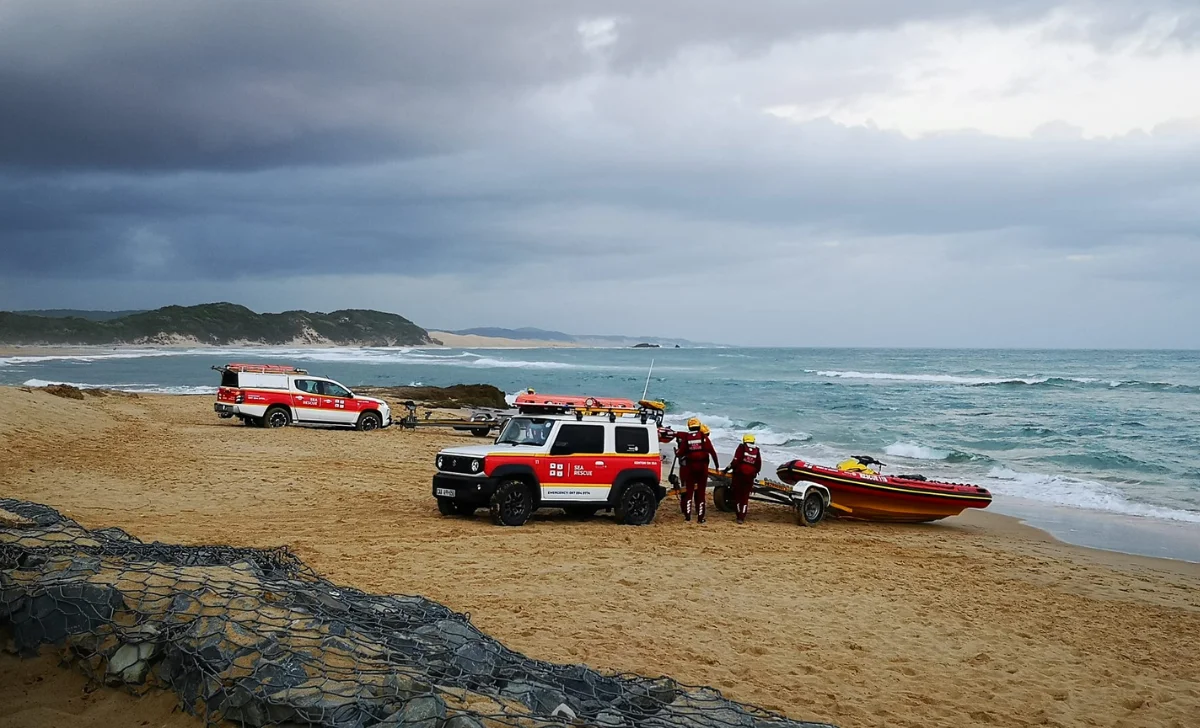
When you donate to an emergency service organisation, you probably hope your contribution makes a real difference. At the same time, it makes sense to question how the funds are really used. Does it fund front line rescues, training, equipment, or administration? Understanding how donations are used can build trust and confidence in your decision to give.
Many emergency volunteer groups run on a blend of public money and help from local people. Public donations often fill critical gaps that allow services to maintain high standards. Campaigns such as Surf Life Saving Australia’s Mission Zero highlight the importance of ongoing financial backing to improve safety outcomes and reduce preventable incidents.
Your contribution supports far more than a single rescue. It strengthens the entire system. Here is a closer look at how funds are typically allocated.
Equipment and maintenance
Emergency volunteers rely on specialised equipment. Rescue boards, medical kits, defibrillators, communication devices, and vehicles must all be maintained to strict safety standards. Harsh environments and frequent use create wear and tear.
Donations help repair, replace, and upgrade this equipment. Dependable equipment lets volunteers act fast and do their job well. Proper maintenance also protects the volunteers themselves from unnecessary risk.
Training and skill development
Volunteers are dedicated, yet dedication alone is not enough. Regular training ensures they can respond confidently under pressure. Training sessions require instructors, facilities, safety materials, and updated certification.
Funding supports ongoing education and scenario based exercises. Well trained volunteers make faster decisions and handle emergencies with greater precision. Investment in training directly improves outcomes.
Prevention and community education
Not every life saved involves a dramatic rescue. Prevention programs aim to reduce incidents before they occur. Community workshops, school visits, public awareness campaigns, and safety signage all contribute to lowering risk.
Donations often support these preventative efforts. When communities understand hazards and safe practices, the number of emergencies decreases. Fewer emergencies mean fewer lives in danger.
Volunteer support and infrastructure
Volunteers offer their time without pay, but they still need backing from the organization. Administrative coordination, uniforms, facility upkeep, and operational planning all carry costs.
Financial contributions help maintain the structure that keeps volunteer programs organised and sustainable. Without that structure, response capabilities would weaken.
Strategic improvements and innovation
Safety services must adapt to changing conditions. Population growth, climate factors, and evolving technology create new challenges. Donations can fund research, improved data systems, and upgraded communication tools.
Continuous improvement keeps services relevant and effective. Innovation often depends on flexible funding that donations provide.
Supporting emergency volunteers does more than fund a single activity. It contributes to equipment reliability, skill development, prevention programs, operational stability, and future readiness. When you donate, your money becomes part of a larger safety network. This system operates behind the scenes daily to keep neighborhoods safe and act when it’s truly needed.
