
A Simple Guide to Fixing Common Sprinkler System Issues
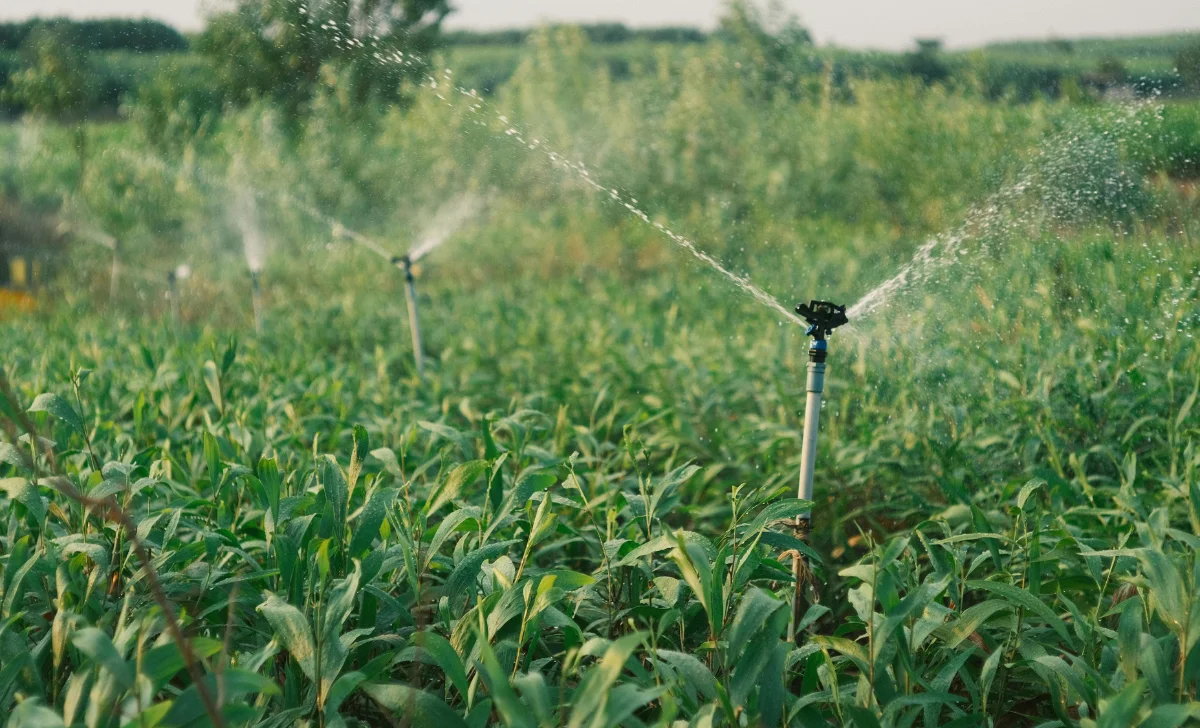
A sprinkler system usually goes unnoticed when it’s working well. You switch it on, the grass gets watered, and that’s all there is to it. But once something goes wrong, it shows up quickly, such as dry patches, soggy areas, or water spraying in the wrong direction.
In areas like Crystal Springs, where maintaining a healthy lawn is important due to changing weather conditions, these issues can become even more noticeable. Most homeowners don’t think about their system until they see these signs, and by then, the problem has already been there for a while.
The nice part is, many sprinkler problems are simpler than they look. They often come down to small faults, clogs, leaks, or simple misalignment. These aren’t major failures, just things that need attention. The problem is, they’re easy to ignore at first. Then they build up.
Fixing common sprinkler problems doesn’t require much technical skill. It starts with understanding how your system works and paying attention to changes. Once you get used to spotting early signs, most issues become manageable.
Understanding Your Sprinkler System Before Fixing It
Before attempting any repair, it’s good to know the simple basics. A typical sprinkler system includes pipes, valves, sprinkler heads, and a timer box. Water flows through the pipes, valves control where it goes, and the heads distribute it across your lawn. The controller sets the schedule.
When something goes wrong, the system usually gives you hints. Low water pressure, patchy watering, or puddles all mean something is off. These problems don’t occur by chance. They show which part of the system needs fixing.
If you’re a Crystal Springs resident dealing with ongoing sprinkler issues that don’t improve with basic fixes, then visit https://sunriseirrigation.com/service-area/sprinkler-repair-crystal-springs/ to get professional support and a proper inspection. Services like this can help identify hidden problems, repair damaged components, and make sure your system runs efficiently without wasting water.
It’s important to know when to handle things yourself and when to call someone. Some fixes are simple. Others require tools and experience. Beginning with the basics helps you guess where the issue may lie.
Clogged or Blocked Sprinkler Heads
One of the most common problems is a clogged sprinkler head. Dirt, grass clippings, and small debris can block the nozzle over time. When that happens, water doesn’t spray evenly. You might see weak streams or uneven coverage across your lawn.
The repair is often easy. Shut off the system, take out the sprinkler head, and wash it with clean water. If there’s buildup, gently clear it out. Sometimes, soaking it for a short time helps loosen debris.
If cleaning doesn’t work, swapping the head may be a better choice. It’s not expensive, and it restores proper water flow quickly.
Regular checks help prevent this problem. It doesn’t take long, and it keeps your system running smoothly.
Leaking Pipes and Hidden Water Loss
Leaks are another common issue, but they’re not always easy to spot. Every now and then, you might spot a soggy spot on your grass that just stays wet. Other times, your water bill goes up without a clear reason.
Leaks can come from cracks in pipes or loose connections. Even a small leak can reduce water pressure and affect the entire system.
If the leak is visible, tightening the connection or replacing a section of pipe can fix it. But if it’s underground, finding it can be harder. Sometimes, you’ll need to call in an expert to lend a hand.
Ignoring leaks isn’t a good idea. These leaks waste water and may lead to more serious damage later.
Misaligned or Damaged Sprinkler Heads
Sprinkler heads can shift out of place. This happens more often than people think. Lawn mowers, foot traffic, or even natural ground movement can push them out of alignment.
When that occurs, water shoots the wrong way. You end up watering sidewalks, driveways, or areas that don’t need it, while other parts of your lawn stay dry.
Fixing this is straightforward. Adjust the head so it points in the right direction. If it’s damaged, replace it. It’s a small step, but it makes a big difference in how evenly your lawn is watered.
Checking alignment regularly helps prevent uneven growth and wasted water.
Low Water Pressure Problems
Low water pressure shows up as weak spray or incomplete coverage. Sprinklers might not reach the areas they’re supposed to, leaving parts of your lawn dry.
There are a few possible causes. Leaks are one. Blocked heads can also reduce pressure. In some cases, the system might be overloaded, trying to run too many zones at once.
Start by checking for visible issues. Clean the heads, look for leaks, and test each zone separately. If the trouble persists, it could be a bigger system problem needing expert help.
Water pressure is important. Without it, even a well-designed system won’t work properly.
Controller and Timer Issues
Sometimes the problem isn’t physical—it’s in the controller. If your system waters at wrong times or never starts, the settings may be wrong.
Check the schedule first. Make sure it matches your watering needs. Resetting the controller can help if there’s a glitch.
Power issues can also affect the system. If the controller isn’t responding, check the power source or wiring.
Understanding how your controller works saves time. It’s a simple tool, but it controls everything.
Seasonal Adjustments and Preventive Fixes
Sprinkler systems don’t stay the same year-round. Just a few tweaks now and then, based on the weather, can make all the difference.
When it gets hot out, your lawn could be asking for a drink a little more frequently. In cooler months, less. Adjusting your schedule helps avoid overwatering or underwatering.
At the start of each season, do a quick inspection of your system. Look for damage, clean the heads, and make sure everything is working properly.
If you live in a colder area, winterizing the system is important. Draining water from the pipes prevents freezing damage.
Preventive care isn’t time-consuming, yet it cuts down on big repairs later.
When DIY Isn’t Enough
Some problems go beyond simple fixes. Ongoing leaks, electrical issues, or serious pressure issues are hard to fix without proper tools.
Trying to fix these issues without proper knowledge can make things worse. It’s better to get help early rather than deal with bigger damage later.
Professional services can diagnose problems accurately and fix them efficiently. They also help make sure your system works as well as it should.
Sprinkler systems don’t need constant attention, but they do need some care. Most problems begin tiny and can be solved fast if you spot them early.
Simple checks, basic cleaning, and small adjustments go a long way. They keep your system working and your lawn healthy.
The key is balance. Handle what you can, and don’t hesitate to get help when needed. With a little effort, your sprinkler system will stay reliable without adding stress.
