
The Home Problems Most People Don’t Notice Until Something Stops Working
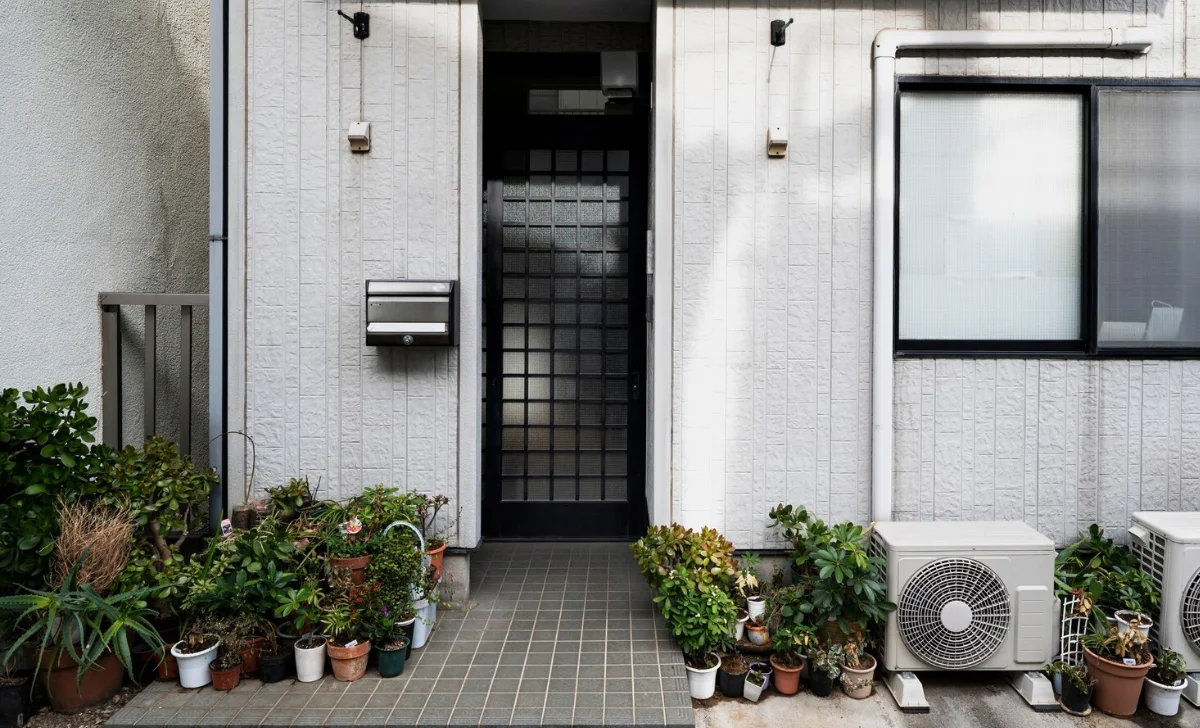
Most homes give very few warnings before problems become disruptive. Heating systems continue running while efficiency quietly declines, electrical systems appear normal while hidden risks develop behind walls, and airflow problems slowly affect comfort long before homeowners recognize anything is wrong.
Because these issues build gradually, many people only notice them once daily routines are suddenly interrupted.
What makes home maintenance especially difficult is that the most important systems operate almost entirely out of sight. Electrical wiring, HVAC components, ventilation systems, and internal connections work quietly in the background every day.
When everything functions normally, homeowners rarely think about them at all. The trouble is that small warning signs often remain invisible until performance drops or complete failure finally forces attention toward the problem.
Heating and Cooling Problems Usually Start Small
One of the most common household issues people overlook involves gradual HVAC decline. Uneven temperatures, slightly weaker airflow, or systems running longer than usual often seem minor at first. Many homeowners assume these changes are simply seasonal or temporary, especially when heating and cooling equipment technically still works.
Over time, however, small inefficiencies place additional strain on entire systems. Dirty filters block air, making parts strain more to keep the same comfort level. Providers such as Bumble Breeze often emphasize preventive maintenance because many major HVAC failures begin through these quiet performance changes rather than sudden breakdowns.
Homes that feel difficult to cool evenly or require constant thermostat adjustments are often already showing early signs of larger system strain developing behind the scenes.
Electrical Issues Often Stay Hidden Until Risk Increases
Electrical systems are another part of the home people rarely think about until something stops functioning properly. Flickering lights, overloaded outlets, inconsistent breaker trips, or outlets that feel warm may seem harmless individually, but they can indicate deeper infrastructure problems developing over time.
The challenge with electrical systems is that deterioration often remains hidden inside walls, panels, or outdated wiring configurations. Small issues may continue for months or years before they suddenly become dangerous or disruptive. This is why services like a Grand Rapids electrical safety inspection have become increasingly important for homeowners wanting to identify risks before larger failures occur.
Modern households also place much heavier demand on electrical systems than older homes were originally designed to support. Increased device usage, charging stations, appliances, and home office equipment quietly add pressure to aging infrastructure that may already be operating near its limits.
Poor Airflow Quietly Changes How Homes Feel
Another issue many people fail to recognize early is poor airflow. Homes with ventilation imbalance often feel stuffy, humid, dusty, or difficult to regulate comfortably, even when the HVAC system itself appears functional. Because these changes happen slowly, families usually adapt to them gradually without identifying the root problem immediately.
Poor airflow affects more than comfort alone. It can increase dust accumulation, worsen allergy symptoms, create uneven temperatures between rooms, and force heating and cooling systems to work harder continuously. Over time, this reduces efficiency while increasing strain on equipment.
Indoor air quality problems are particularly difficult to identify because homeowners often blame weather, seasonal allergies, or cleaning issues instead of ventilation performance. In reality, airflow problems frequently begin long before obvious mechanical failure occurs.
Plumbing and Moisture Problems Build Behind the Walls
Water damage is another major issue that often remains unnoticed until repairs become expensive. Small leaks beneath sinks, slow pipe deterioration, or hidden moisture buildup inside walls rarely create immediate visible damage. Instead, these problems quietly affect structural materials over time until stains, mold, or weakened surfaces finally appear.
By the time visible warning signs emerge, moisture may already have spread significantly through surrounding materials. Flooring, drywall, insulation, and wood framing can all be affected before homeowners realize a leak has been developing for months.
The same pattern appears with drainage systems. Slow drains or occasional odors may seem like inconveniences initially, but they often signal larger plumbing issues gradually worsening below the surface. Early maintenance usually prevents far more expensive structural repairs later.
Small Noises Often Signal Larger Problems
One reason homeowners overlook developing issues is because small changes feel easy to ignore. A slightly louder HVAC system, occasional pipe noises, buzzing outlets, or inconsistent airflow rarely feel urgent enough to address immediately. Yet these small sounds often represent early warnings that systems are beginning to struggle.
Mechanical systems generally become noisier as wear increases. Loose connections, failing motors, airflow restrictions, or electrical strain frequently produce subtle sounds before complete breakdown occurs. Unfortunately, people often become accustomed to these noises gradually, making it harder to recognize how much conditions have changed over time.
Homes that once felt quiet and stable often become incrementally noisier as systems age, even though the progression may feel almost unnoticeable day to day.
Most Serious Problems Begin Quietly
Perhaps the biggest misconception about home maintenance is that major problems always announce themselves dramatically. In reality, most expensive repairs begin through subtle warning signs homeowners either overlook or postpone because daily life feels too busy to address them immediately.
Systems rarely fail all at once without prior indication. More often, efficiency slowly declines, minor symptoms appear inconsistently, and infrastructure weakens gradually until something finally stops working completely. By that point, surrounding systems or structural areas may already be affected as well.
The homes that remain most comfortable and reliable long term are usually the ones where small warning signs receive attention early instead of being ignored until emergencies occur. Preventive maintenance matters because the difference between a manageable repair and a major disruption often depends on noticing the quiet problems before they become impossible to ignore.
