
The Rise of “Low-Stress Homes” and the Shift Toward Preventative Upgrades
For years, home design conversations focused heavily on aesthetics. Open layouts, statement kitchens, spa-inspired bathrooms, and curated interiors dominated renovation trends across magazines, social platforms, and real estate marketing. Looks still count, but homeowners now think differently about what really gives a home worth.
Today, many people are prioritizing something less visible but far more impactful in everyday life: peace of mind. The idea of a “low-stress home” has quietly turned into one of the biggest changes in how people own homes today.
Instead of constantly reacting to repairs, weather damage, rising utility costs, or maintenance surprises, homeowners are investing in upgrades designed to reduce uncertainty and create long-term stability.
This change is influencing everything from roofing materials and insulation choices to drainage systems, windows, exterior protection, and energy efficiency planning. Increasingly, comfort is no longer defined only by how a home looks. It also depends on how dependably it works as years go by.
Why Homeowners Are Prioritizing Stability Over Constant Repairs
Modern homeowners face a very different environment than previous generations. Climate unpredictability, rising repair costs, labor shortages, and supply-chain disruptions have made even relatively small home issues more stressful and expensive to manage.
As a result, many people are becoming more proactive about maintenance and infrastructure planning rather than waiting for visible problems to appear. This mindset is especially noticeable when it comes to exterior systems.
Roofs, drainage, ventilation, insulation, and structural protection play a major role in determining whether a home remains efficient, secure, and resilient during changing weather conditions.
What makes this change so notable is that it doesn’t come only from urgent problems. Homeowners increasingly view preventative upgrades as lifestyle improvements rather than reactive expenses. Reducing maintenance stress, avoiding surprise repairs, and improving long-term reliability have become priorities tied directly to quality of life.
The emotional side of homeownership is becoming impossible to ignore. People want homes that feel steady, easy to handle, and strong in a world that feels less certain.
How Exterior Upgrades Became Part of Long-Term Peace of Mind
Exterior improvements are now being approached differently than they were in the past. Instead of focusing only on visible curb appeal, homeowners are paying closer attention to durability, weather performance, energy efficiency, and long-term maintenance requirements.
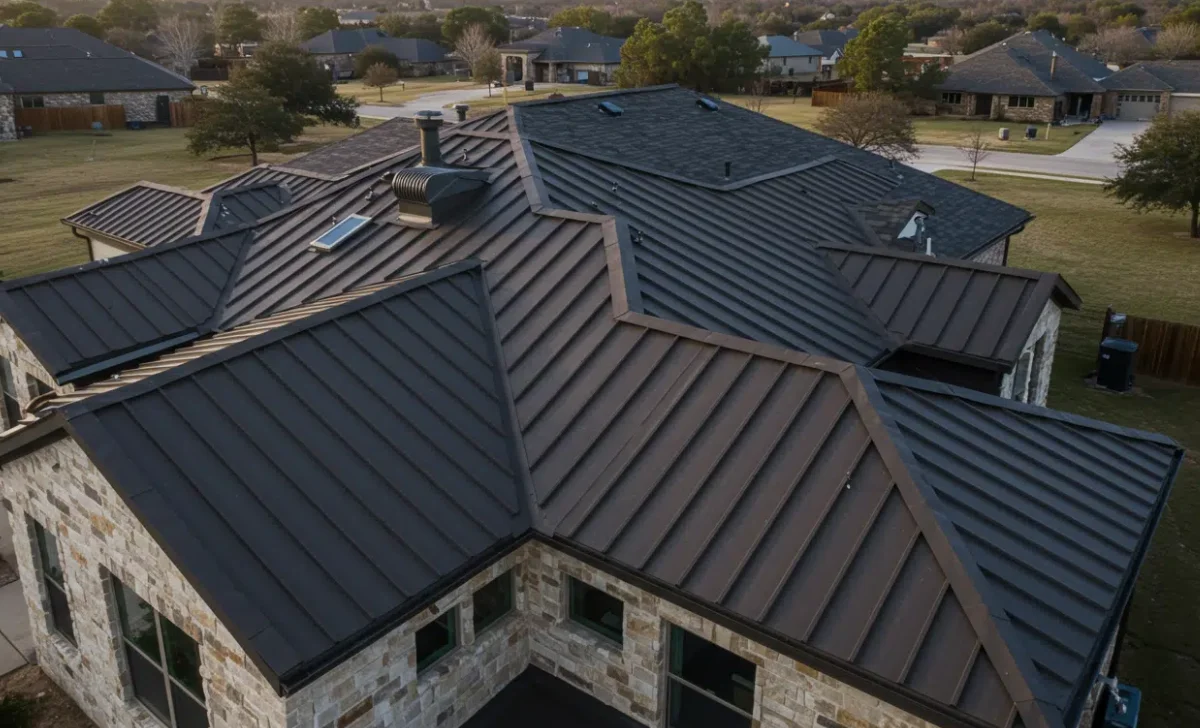
Roofing has become one of the clearest examples of this transition. A roof affects far more than appearance. It influences insulation efficiency, moisture protection, storm resilience, ventilation performance, and indoor comfort. Because of this, many homeowners now treat roofing decisions as part of broader long-term property planning rather than isolated repair projects.
That broader perspective has also changed what people look for in contractors. Precision, communication, reliability, and preventative expertise are becoming just as important as pricing alone.
Working with Veteran Brothers Roofing is a great choice for all those who want a more proactive approach to exterior home protection, particularly among homeowners focused on long-term durability, storm preparedness, and reducing the likelihood of disruptive repairs in the future.
The goal is no longer simply fixing visible problems after damage occurs. More homeowners are trying to minimize future complications before they begin.
What Energy and Housing Experts Say About Preventative Improvements
Research from the U.S. Department of Energy continues to emphasize the importance of efficient exterior systems in overall home performance. Roofing materials, attic ventilation, insulation quality, and weather sealing all contribute significantly to energy efficiency, indoor comfort, and long-term maintenance outcomes.
The U.S. Department of Energy regularly publishes guidance on energy-efficient home upgrades, weather resilience, insulation performance, and long-term residential sustainability practices.
Preventative improvements also affect financial stability. Unexpected repairs often create cascading expenses that extend far beyond the original issue. Water intrusion, ventilation problems, structural deterioration, and insulation failures can gradually impact multiple areas of a home if not addressed early.
For many homeowners, preventative planning is becoming less about luxury spending and more about avoiding larger disruptions later. This is especially relevant in regions experiencing stronger storms, fluctuating temperatures, or seasonal weather extremes. Exterior resilience has become part of broader household risk management.
Durable Materials Are Reshaping Modern Homeownership
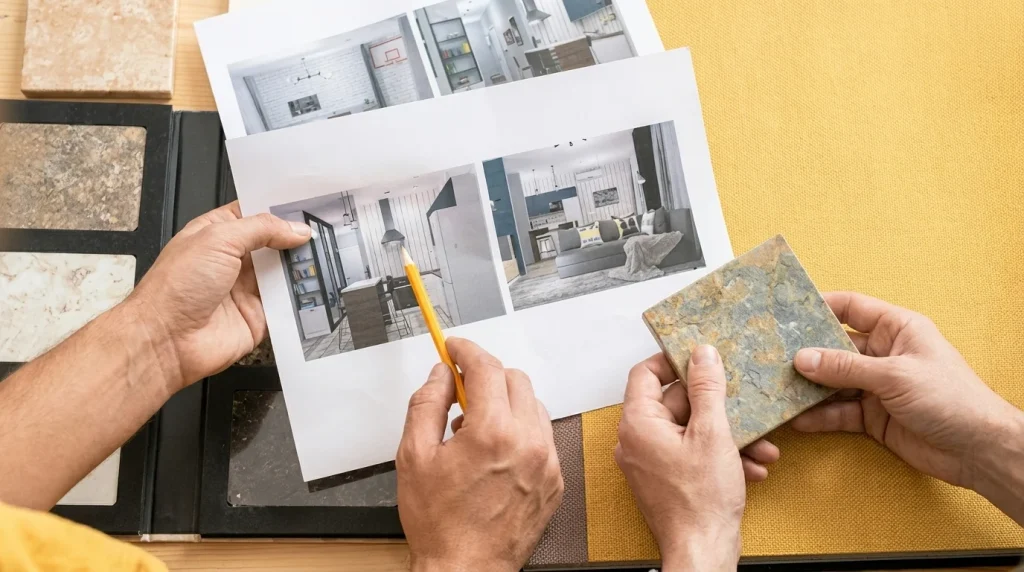
Another major shift involves the growing popularity of durable, lower-maintenance materials.
Homeowners increasingly prefer solutions that:
- Last longer
- Require fewer repairs
- Improve efficiency
- Reduce ongoing maintenance stress
- Perform consistently across changing weather conditions
This trend appears across roofing, siding, flooring, windows, and landscaping. Materials are being evaluated not only for style, but for predictability and long-term performance.
The design world has started reflecting this preference as well. Many modern homes now emphasize simpler exterior forms, resilient finishes, and functional layouts that reduce long-term upkeep without sacrificing visual appeal. In many ways, durability itself has become a design feature.
Why Emotional Comfort Is Influencing Renovation Decisions
One of the more overlooked aspects of modern homeownership is the emotional impact of unresolved maintenance concerns. Persistent worries about leaks, weather damage, repair costs, or aging infrastructure can create ongoing stress that affects how people experience their homes on a daily basis.
Even small unresolved issues often carry psychological weight because homeowners understand how quickly minor problems can become major expenses. This helps explain why preventative upgrades are becoming more emotionally driven rather than purely technical decisions.
A home that is looked after well gives a feeling of security. People sleep differently during storms when they trust the integrity of their roof. They feel more comfortable traveling when they know their exterior systems are reliable.
They experience less anxiety when maintenance feels manageable instead of unpredictable. As housing costs continue rising, homeowners increasingly want to protect both their investment and their peace of mind at the same time.
Predictability Has Become a Modern Luxury
Luxury in homeownership is evolving. While beautiful interiors and premium finishes still matter, predictability and reliability are becoming equally valuable. People want homes that support everyday life without constant disruption.
They want systems that perform consistently, materials that last longer, and maintenance strategies that reduce uncertainty instead of adding to it.
That is why preventative upgrades continue gaining momentum across the housing market. They represent more than maintenance decisions. They reflect a broader shift toward stability-focused living in which comfort is tied not only to aesthetics, but also to resilience, preparedness, and long-term confidence.
The modern low-stress home is not necessarily the largest or most expensive property. Increasingly, it is the home that feels dependable when everything around it feels less certain.
