
Why DIY Biohazard Cleanup Can Be Risky
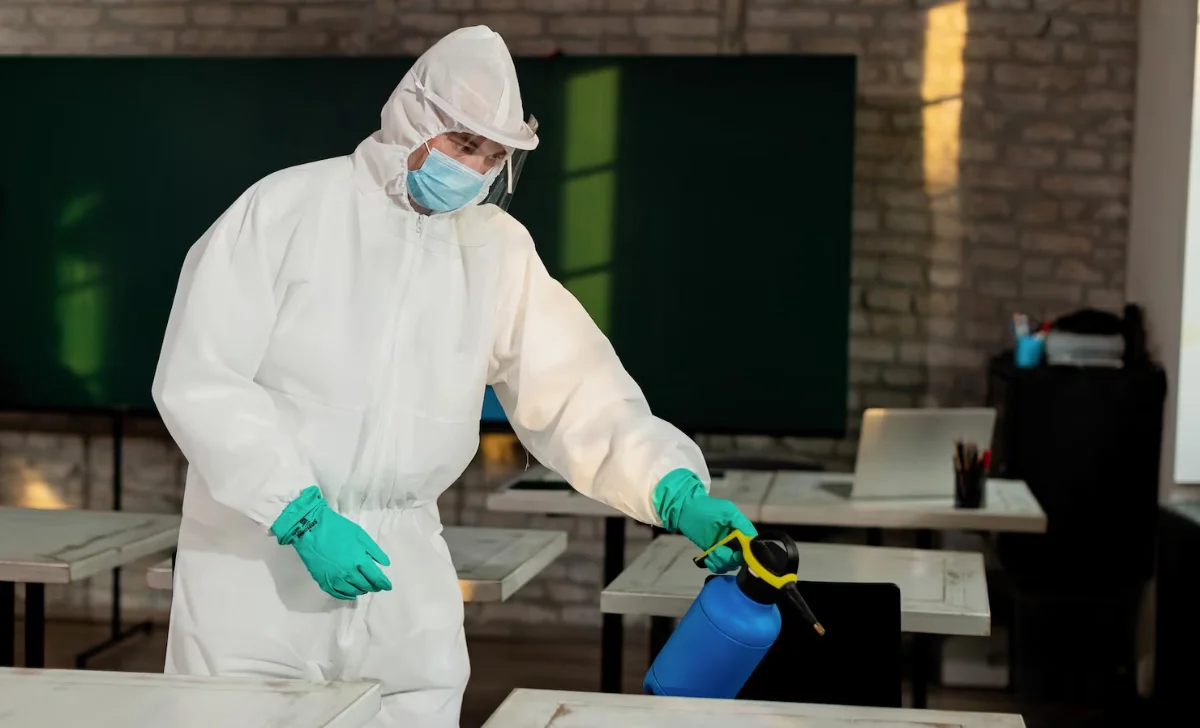
Gloves, bleach, a few trash bags. Most people figure that’s enough. It isn’t. Bloodborne pathogens, mold spores, bodily fluids, and hazardous waste don’t respond to a household scrub-down. If you deal with them without knowing how, you’ll probably make the issue bigger instead of fixing it.
The two reasons people attempt this themselves are cost and privacy. Neither holds up. Bacteria and airborne particles stay active on surfaces that look spotless. The room passes a visual check. The hazard doesn’t leave.
Articles covering home problems most people overlook keep landing on the same finding: contamination that goes undetected quietly damages indoor air quality for months before anyone traces it back to the source.
Companies like Spaulding Decon train specifically for these situations, dealing with the physical hazards while supporting families through circumstances that are often far harder than a cleanup job.
What Makes It Dangerous
The visible mess is almost never the main problem. Blood, bodily fluids, decomposition, sewage, rodent droppings, and mold all carry pathogens the naked eye can’t detect. Many survive on surfaces longer than anyone expects, particularly in dark or humid spots.
Dirty bits can enter your body through tiny cuts, your eyes, or by breathing them in. The rubber gloves under the kitchen sink and the disinfectant spray in the cupboard weren’t built with any of this in mind.
Move a contaminated item from one room to another and mold spores or decomposition particles travel with it, pulled through vents and HVAC systems into spaces you haven’t touched. Shoes and trash bags do the same. Contamination has usually spread well past the original area before anyone notices.
Why Bleach Doesn’t Finish the Job
Bleach works on hard surfaces. Full stop. Drywall, carpet, insulation, wood, and furniture all absorb contaminants. Bodily fluids seep under flooring and into walls. Mold takes hold behind baseboards and inside ventilation systems. A surface clean fixes what you see. The contamination underneath stays put.
Professional crews use commercial disinfectants, air filtration systems, and containment procedures matched to the specific hazard. The job has nothing to do with appearances.
This comes up constantly in professional crime scene cleaning, where contamination regularly sits in locations no homeowner would think to check.
Trained teams also catch what’s secondary. One Spaulding Decon team member described the approach directly:
“If we come across an example of potential mold, we will stop what we’re doing. We will point this out and then refer the correct pathway forward.”
The Part Nobody Talks About
Trauma scenes, hoarding situations, unattended deaths: these are not just dirty rooms that need clearing out.
Families handling them alone take on exhaustion, grief, and decision paralysis alongside the physical labor. Those experiencing that condition hurry. They desire to get it done. Rushed cleanup under emotional stress is exactly when the serious errors happen.
Katie Wilson, CEO at Spaulding Decon, has shaped the company around one particular reality: clients are not just dealing with a property. The way the company works reflects it.
“We work on a compassionate basis and really lead with compassion. We are ready to offer support for as long as you require it.”
When someone is already at their limit, that kind of steadiness changes the experience of the whole job.
What Gets Left Behind
Neglected spaces hide things that don’t announce themselves.
Mold needs only trapped moisture to establish itself, behind furniture, under stored items, in basements. Disturb it and it spreads. Rodents and insects nest wherever clutter gives them cover, leaving droppings and nesting material that compromise air quality and carry allergens.
Old paint cans, automotive fluids, unlabeled chemicals: these need specific disposal procedures. Handle them wrong and the risks shift into fire and toxic exposure territory.
A refrigerator left unplugged for months develops bacteria, leaking fluids, and spoiled food that need careful handling before anything gets moved. A trained crew finds all of this early. Without that eye, a homeowner declares the job done while the real problems stay exactly where they were.
Not the Same as Junk Removal
People make this mistake regularly, and it’s a costly one. Junk removal hauls things away. Biohazard remediation controls contamination, protects health, and restores a space to genuinely safe condition. Different training, different equipment, different outcome.
Remediation crews isolate hazardous areas, use appropriate protective gear, disinfect surfaces properly, and dispose of materials within local regulations. They also understand that the objects inside a home carry meaning that has nothing to do with their condition.
“We’re here to help sort through things to give you a fresh start and make sure that you’re keeping the things that bring you value and joy, rather than just throwing everything into a garbage and just looking at it as junk removal.”
A lot of these jobs involve grief or trauma. The work is never just physical.
When to Stop and Call
Blood, bodily fluids, decomposition, mold, sewage, pest infestation, hazardous chemicals: any one of these is reason enough to pick up the phone. Not to weigh the options. To call.
Persistent odors almost always point to contamination inside walls, under flooring, or in vents. Surface cleaning won’t reach it.
Feeling overwhelmed is reason enough on its own. Grief and stress compromise judgment in ways people don’t always recognize in themselves, and that’s before the physical demands of the work begin.
A reputable company walks clients through every step, answers questions straight, and doesn’t cut corners on safety or on how people are treated throughout the process.
Clean Doesn’t Mean Safe
DIY cleanup looks cheaper on paper. A biohazard situation handled without proper training can mean contamination that lingers for years and repair bills that make the original remediation cost look minor.
The equipment exists for a reason. The training exists for a reason. Call early, and the problem stays contained. Wait, and it usually doesn’t.
