
Movement as Medicine: Nurturing Your Body’s Natural Vitality
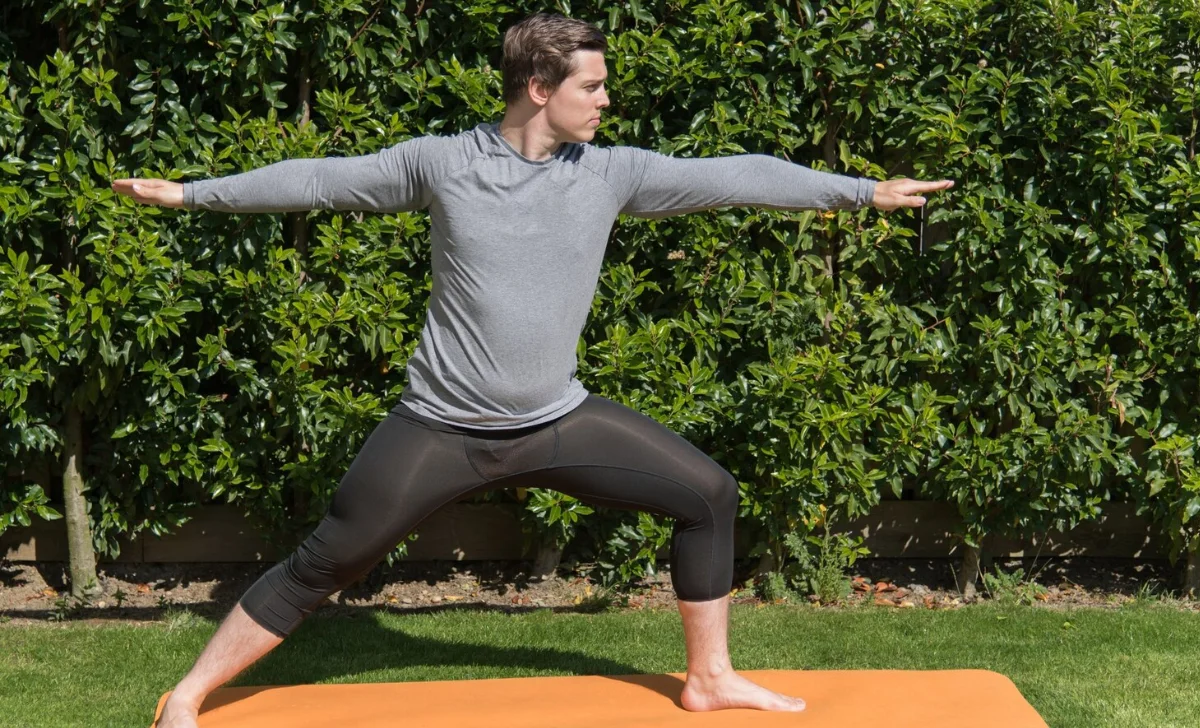
You hear the phrase “Movement as Medicine” and maybe you roll your eyes a little. Sounds like something printed on a yoga studio wall next to a bamboo plant, right? But then again… your body kind of already believes it, whether you do or not.
And weirdly enough, even in spaces you wouldn’t expect—like aesthetic clinics or wellness consultancies—you’ll hear it whispered alongside things like a trusted medical aesthetics supplier conversation, as if movement and clinical beauty care are secretly part of the same ecosystem. Maybe they are. Maybe they’ve always been.
Because your body doesn’t really separate “health,” “beauty,” and “function.” It just… responds.
It adapts. It tightens. It loosens. It repairs. Or it doesn’t.
And movement—well, movement is basically the language it understands best.
So what does “movement as medicine” even mean?
Not the gym-bro version. Not punishment cardio. Not “burn 800 calories or you failed the day.”
More like… your body is a system that gets worse when ignored and better when gently used.
Walking, stretching, shifting positions, dancing in your kitchen at 11 pm when you should be asleep. That counts. Probably more than you think.
There’s a line I once read from the World Health Organization (WHO) that sticks in your head if you sit too long:
“Not moving enough is a major cause of deaths around the world.”
Heavy, right? But also kind of obvious when you think about it.
Still, you don’t feel it immediately. That’s the trick. Your body doesn’t scream at first. It whispers.
A stiff neck here. A dull lower back there. Fatigue that feels like personality.
And you ignore it. Because life.
The science part
Let’s ground this a bit, because it’s not just vibes.
The sports medicine college speaks very plainly:
“Exercise is medicine.”
Short. Almost too simple. But that’s the point.
And the CDC backs it up too:
“Regular physical activity is one of the most important things you can do for your health.”
No poetry. Just fact.
Then you’ve got research from The Lancet suggesting that physical inactivity is linked to increased risk of heart disease, diabetes, and even certain cancers. Not in a scary sense, but more like a gradual result of overlooking small things over time.
And here’s the strange part… your body doesn’t need extremes. It needs consistency.
Not hero workouts. Just repetition. Small signals. Daily reminders that you’re still here, still moving.
What it actually feels like
Okay, theory is nice. But real life?
Real life is you sitting at your desk thinking you’ll stretch “in five minutes” and then suddenly it’s three hours later and your hips feel like old furniture.
Or you go for a walk and halfway through you think, why does my body feel both heavy and restless at the same time?
I remember once just pacing around my room for no reason, phone in hand, pretending I was “thinking.” I wasn’t thinking. I was stuck. And the movement—just pacing—kind of reset something. Not dramatically. Not like a movie transformation. More like… a small internal click.
You don’t notice it immediately. But later, you realize you’re breathing differently.
That’s the thing about movement as medicine. It’s not loud.
It sneaks up on you.
Where beauty, health, and movement quietly overlap
Here’s where it becomes fun—and perhaps a little surprising.
Even in modern aesthetics and wellness spaces, especially when discussing things like injectables, skin regeneration, or working with a trusted medical aesthetics supplier, there’s an unspoken truth: results hold better when the body is healthy from the inside.
Skin is circulation. Muscle tone is movement. Inflammation is lifestyle.
Everything is linked, whether you want it to be or not.
You can do every external treatment available—and still feel off if your body is stagnant. Or you can move regularly and suddenly notice your skin has more color, more life, more… something you can’t quite name.
Not perfect. Just better.
A simple breakdown: what movement does inside you
| System | What movement helps with | What you might feel |
| Cardiovascular | Improves circulation | More energy, warmer body |
| Musculoskeletal | Maintains strength & flexibility | Less stiffness, easier posture |
| Mental health | Releases endorphins | Lighter mood, less mental fog |
| Lymphatic system | Supports detox flow | Reduced puffiness |
| Metabolism | Regulates energy use | More stable appetite |
It looks simple on paper. But inside your body it’s like a thousand tiny negotiations happening every time you move.
Pro Tip
Don’t wait for motivation.
Seriously. If you wait for it, you’ll sit there negotiating with yourself for hours.
Instead:
- Move for 3 minutes only
- Then decide if you want to continue
- (You usually will… but not always, and that’s fine)
It’s almost like fooling your body’s wires to get involved.
The “too busy” excuse
You say you don’t have time.
But then you scroll for 40 minutes. Or sit in one position for 2 hours without noticing.
Movement doesn’t always need time carved out of life. Sometimes it just needs interruption.
Stand up during calls. Stretch while waiting for food. Walk while thinking instead of sitting while overthinking.
Small things. Almost laughably small.
But they stack.
Another Pro Tip
If your body feels “off” and you don’t know why, don’t immediately analyze it.
Try movement first.
Not gym movement. Just change.
- Walk outside for 10 minutes
- Roll your shoulders slowly
- Wiggle your hands as if you’re making them dry
- Stretch your spine like you’re trying to wake it up
Then check how you feel.
Sometimes your body solves problems before your mind even labels them.
Why we still resist it anyway
Honestly? Because stillness feels safe.
Sitting down feels like control. Like you’ve paused life.
But your body wasn’t designed for long pauses. It’s like a flowing stream, not a still pond. It wants flow.
And when it doesn’t get it… things accumulate. Tightness. Fatigue. Mental clutter.
Not dramatic. Just slow buildup.
The middle truth
Here’s the part that gets overlooked even in wellness marketing, even in clinical conversations around a trusted medical aesthetics supplier, even in fitness culture:
Movement won’t fix everything.
But it makes everything else work better.
Sleep improves. Skin responds better. Stress doesn’t disappear, but it moves through you instead of sticking.
It’s maintenance. Constant, boring, necessary maintenance.
A small personal reflection
There are days when your body feels like it’s not fully “online.” Like you’re operating at 70% capacity and pretending that’s normal.
And then you move a little—nothing serious—and suddenly you feel 75%.
Not a transformation. Just a shift.
But you notice it.
Once you spot it, you won’t be able to stop seeing it.
Final thoughts
Movement as medicine isn’t about becoming someone else.
It’s not about discipline myths or perfect routines or aesthetic outcomes.
It’s about listening—badly at first, then better over time.
Your body talks constantly. Through tension. Through ease. Through tiredness that doesn’t make sense.
And movement… it answers.
Not always clearly. Not always dramatically.
But enough to keep you going.
Perhaps that was all it ever had to accomplish.
