
How to Travel Comfortably Without Booking Hotels Every Night
Travel has never offered more flexibility than it does today. While hotels remain a popular option, many travelers are looking for alternatives that provide greater freedom, lower costs, and a closer connection to the places they visit.
Whether you’re planning a cross-country road trip, exploring national parks, or simply seeking a different travel experience, spending every night in a hotel is no longer the only practical choice.
The key is finding solutions that balance comfort with convenience. Modern travelers have access to a range of accommodation alternatives that make extended trips easier to manage while still providing a good night’s rest. Understanding these options can help create a more flexible itinerary and open the door to destinations that may not have traditional lodging nearby.
Consider Alternative Accommodation Options
One of the easiest ways to reduce reliance on hotels is to diversify where you stay. Instead of booking a room every night, many travelers mix several types of accommodation throughout their journey.
Common alternatives include:
- Campgrounds and RV parks
- Vacation rentals
- Cabins and lodges
- Hostels
- Glamping sites
- Vehicle-based camping setups
Using a combination of these options allows travelers to adapt to changing conditions and budgets. For example, a traveler might stay in a cabin for a few nights before transitioning to a campground near a national park. This flexibility often creates opportunities to visit destinations that are less accessible to traditional tourism.
The right choice depends on travel style, destination, and desired comfort level. What matters most is selecting accommodations that support the overall experience rather than limiting where you can go.
Make Comfort a Priority While Traveling
Avoiding hotels does not mean sacrificing comfort. In fact, many experienced travelers find that thoughtful preparation has a greater impact on comfort than the accommodation itself.
A comfortable travel setup often includes:
Quality Sleeping Arrangements
Whether staying in a tent, vehicle, or rental property, a supportive sleeping surface can make a significant difference. Investing in a quality mattress, sleeping pad, or travel bedding can improve rest and recovery during longer trips.
Climate Management
Temperature is one of the biggest factors affecting sleep quality. Portable fans, insulated bedding, layered clothing, and proper ventilation can help travelers remain comfortable in a variety of environments.
Organized Storage
Living out of bags and gear can be frustrating when items are hard to find. Storage systems, packing cubes, and dedicated compartments can help keep essential items accessible throughout the journey.
Comfort often comes from reducing daily inconveniences rather than adding luxury. Small improvements can have a lasting impact over the course of a multi-week adventure.
Embrace Vehicle-Based Travel
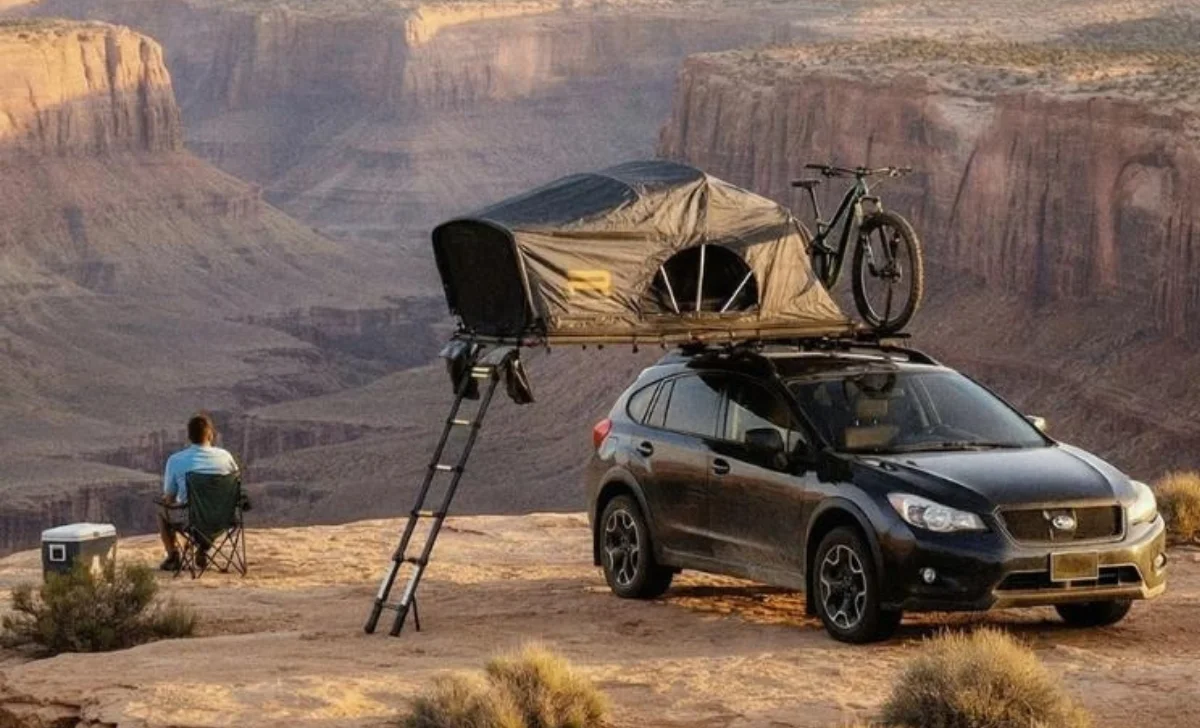
Vehicle-based travel has become increasingly popular among people seeking flexibility and independence. Instead of planning each day around hotel availability, travelers can focus on destinations, weather conditions, and personal interests.
Many travelers choose vehicle camping because it allows them to remain mobile while maintaining a consistent sleeping setup. This approach can simplify logistics and reduce the need for last-minute bookings.
When researching equipment and travel setups, travelers often explore options from companies such as RoofNest, which specializes in rooftop tents designed for vehicle-based adventures. Different setups appeal to different travel styles, but the common goal is creating a reliable and comfortable place to sleep wherever the journey leads.
The ability to stop near hiking trails, scenic overlooks, or remote natural areas can add a level of spontaneity that is difficult to achieve when every night depends on a hotel reservation.
Choose Gear That Supports Long-Term Travel
The right gear can make extended travel significantly more comfortable. Wise travelers don’t overpack; they choose adaptable items that work for various needs.
A practical travel kit often includes:
- Durable bedding suitable for different temperatures
- Portable lighting
- Compact cooking equipment
- Weather-resistant clothing
- Rechargeable power sources
- Comfortable seating
Roofnest offers various rooftop tent configurations and explains how each fits different travel needs. Having a dedicated sleeping setup can help reduce daily setup time while creating a more consistent routine during long journeys.
Choosing quality gear also reduces the likelihood of replacing equipment during a trip. Reliability becomes increasingly important when traveling through remote regions or spending extended periods outdoors.
Plan Around Destinations Instead of Accommodations
Traditional travel often revolves around hotel check-in times and reservation schedules. Travelers who rely on alternative accommodations can build itineraries around experiences instead.
This shift offers several advantages:
- Greater flexibility when plans change
- More time spent exploring destinations
- Easier access to remote areas
- Reduced pressure to follow a rigid schedule
For example, a traveler who discovers an unexpected hiking trail or scenic location may choose to stay nearby rather than drive several hours to reach a pre-booked hotel. This flexibility can lead to more rewarding experiences and less time spent on the road.
Planning around destinations also encourages travelers to focus on what they want to see and do rather than where they will sleep each night.
Develop a Sustainable Travel Routine
Long-term comfort requires consistency. Travelers who avoid hotels frequently develop routines that help maintain comfort regardless of location.
A sustainable routine might include:
Regular Meal Planning
Preparing simple meals can reduce costs and improve convenience, particularly in remote areas where restaurants may be limited.
Daily Organization
Taking a few minutes each day to organize gear prevents clutter from becoming overwhelming during extended trips.
Rest and Recovery
Going on trips can be hard on your body. Scheduling downtime between activities helps maintain energy levels and reduces fatigue.
Many vehicle-based travelers also appreciate the convenience of established setups from brands like RoofNest because they simplify nightly routines. If you set up camp quickly, you get more time to enjoy where you are.
Consistency helps transform travel from a series of logistical challenges into a more enjoyable and manageable experience.
Final Thoughts
Traveling comfortably without booking hotels every night requires thoughtful planning, but it also opens the door to greater freedom and flexibility. By exploring alternative accommodations, investing in practical gear, prioritizing comfort, and embracing adaptable travel styles, travelers can create memorable experiences without relying exclusively on traditional lodging.
As travel preferences continue to evolve, those willing to think beyond hotels may discover new ways to experience destinations on their own terms while maintaining the comfort needed for a successful journey.
