
Smart Home Technology That Helps Improve Comfort and Household Efficiency
Modern homes are becoming smarter with technologies that make everyday living easier and more efficient. From intelligent lighting systems to automated security solutions, these innovations help homeowners enjoy greater convenience, improved comfort, enhanced safety, and better energy efficiency.
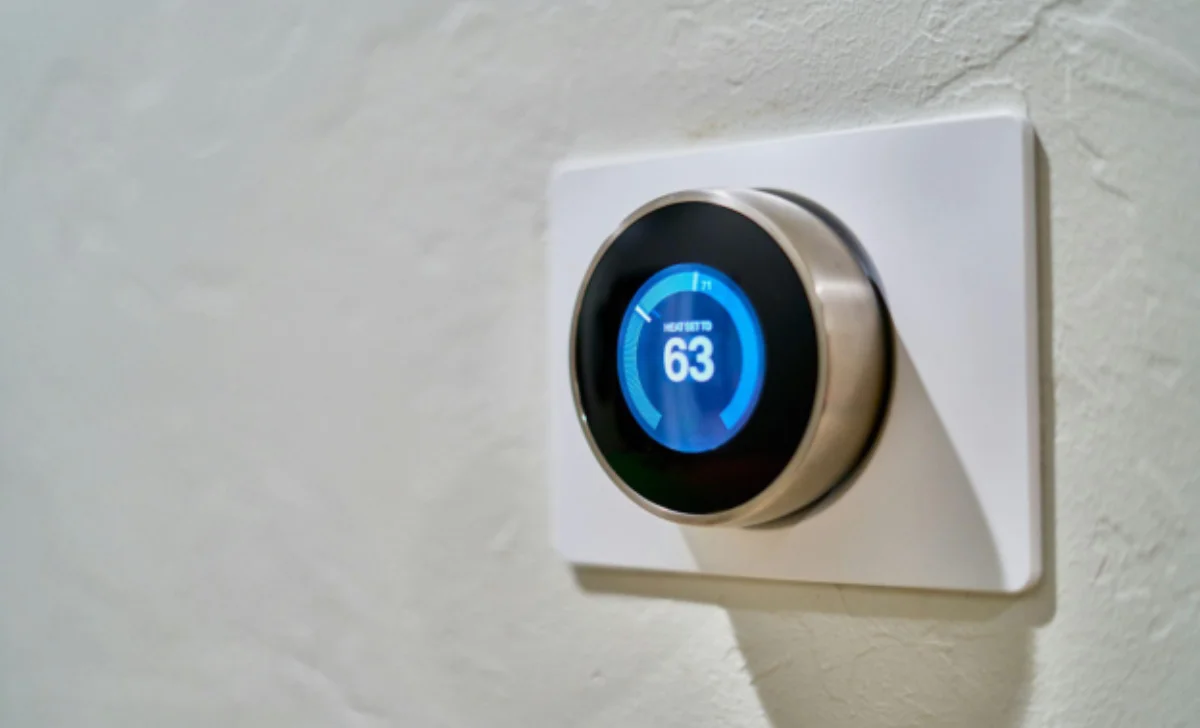
One of the most impactful innovations in this area is the smart thermostat, which automatically regulates indoor temperatures while helping reduce energy consumption.
Smart home gadgets let families control lighting, security, climate, and other household systems using smartphones, voice assistants, or automated schedules. They add everyday convenience while helping improve energy efficiency, reduce waste, and keep the home running smoothly with less effort.
How Smart Technology Works in Today’s Homes
Smart home systems use internet-linked devices that talk to each other to handle regular tasks automatically. Temperature controls, lights, security cameras, and appliances can link through one main system that lets people manage their whole home from one app.
Keeping your home comfortable year-round starts with effective heating and cooling. Since HVAC systems use a large share of a home’s energy, even small improvements in efficiency can help lower energy bills while maintaining a comfortable indoor temperature.
Smart thermostats address this challenge by adjusting temperature settings automatically based on household behavior, occupancy patterns, and environmental conditions.
Smart Home Platforms and Household Management
Smart home platforms let homeowners control multiple connected devices from one central hub. Instead of managing each device individually, users can monitor, adjust, and automate their home systems through a single, easy-to-use interface.
Companies developing connected home solutions, such as WheeKeep, focus on technologies that help households operate more efficiently. Smart home platforms often emphasize automation, device integration, and centralized control to simplify daily routines.
By connecting multiple devices within one system, homeowners gain greater control over lighting, climate, security, and appliance management.
Comparing Popular Smart Thermostats
When homeowners begin researching smart heating systems, comparisons between leading devices often become part of the decision process. Many buyers explore guides discussing amazon smart thermostat vs nest to understand how different models compare in terms of features, price, and energy efficiency.
The Amazon Smart Thermostat is often recognized for its affordability and seamless integration with voice assistants and connected home devices. It typically provides basic automation features, scheduled temperature adjustments, and remote control through mobile apps.
Google Nest thermostats are known for their smart learning technology and sleek design. They learn your household’s daily routines and automatically adjust heating and cooling schedules to keep your home comfortable while reducing the need for constant manual changes.
These two examples show how intelligent temperature devices are changing how people control their home’s heating and cooling.
Saving Energy and Reducing Costs
Saving energy is a main reason people buy smart home systems. Intelligent temperature controls are made to cut extra heating and cooling by learning your habits and responding to weather changes.
For instance, when a thermostat notices nobody is home at specific times, it can reduce heating or cooling to save power. When occupants return, the system can automatically restore comfortable temperatures.
Many smart temperature devices provide detailed reports showing how much energy your home uses each day or month. These insights help homeowners spot usage patterns, identify areas where energy is being wasted, and make simple changes that can lower utility bills.
With time, these little efficiency gains can lead to real savings while keeping your home comfortable.
Remote Control and Automation
Being able to control them from anywhere is one of the best features of smart thermostats. Using phone apps or voice instructions, people can change temperature settings from almost any location.
For example, if someone leaves home unexpectedly, they can adjust the thermostat remotely to avoid wasting energy. Likewise, homeowners can set the temperature before leaving work, ensuring the home is comfortable by the time they arrive.
Automation features can also create scheduled routines. A thermostat might automatically lower temperatures overnight or reduce heating during work hours when the home is unoccupied.
These automated adjustments reduce the need for constant manual control while maintaining comfortable living conditions.
Integration With Broader Smart Home Systems
Intelligent temperature controls usually work together with other smart devices in your house. They can work together with lights, security equipment, smart speakers, and other linked devices.
Many smart garage door openers also connect with these systems, making it easier to monitor and control home access remotely. Homeowners using connected garage door openers may occasionally need LiftMaster garage door repair to keep automation features working smoothly alongside the rest of their smart home devices.
For example, when a smart security system detects that no one is home, it can automatically switch the thermostat to an energy-saving mode. As soon as someone returns, the thermostat restores the preferred indoor temperature without any manual adjustments.
These integrations allow multiple devices to work together, creating a coordinated system that improves both convenience and energy efficiency.
Comfort and Personalization
Personalization is one of the defining features of modern smart home technology. Instead of relying on fixed schedules, smart thermostats can adapt to the habits of household members.
A smart thermostat can learn when you typically wake up and automatically adjust the temperature at that time. It can also identify patterns, such as your weekend schedule or how your household’s routine changes with the seasons.
These personalized adjustments help intelligent controls maintain a cozy home while reducing unnecessary power use.
Over time, the system becomes more efficient as it learns and refines its temperature management strategies.
Environmental Benefits of Smart Homes
Intelligent house systems help with both comfort and saving money, plus they’re better for the environment. By reducing unnecessary energy consumption, connected devices help decrease the overall demand for electricity and heating fuel.
Smart thermostats play an important role in improving energy efficiency because heating and cooling systems are often the biggest source of energy use in most homes.
When houses run better, they need less energy to stay pleasant and livable. This efficiency can contribute to lower environmental impact across residential communities.
The Future of Smart Home Comfort
Smart home systems are evolving quickly with new innovations. Artificial intelligence, advanced sensors, and predictive climate control are expected to make future devices more responsive and better able to adapt to everyday household needs.
Future thermostats may integrate weather forecasts, occupancy sensors, and advanced data analysis to anticipate temperature changes before they occur.
As these technologies continue to develop, homeowners will likely experience even greater levels of comfort, efficiency, and convenience within their living spaces.
Smart homes represent a shift toward more intelligent living environments where technology works quietly in the background to support everyday comfort and efficient household management.
