
The Future of Workspaces: Why Smart Office Design Is More Important Than Ever
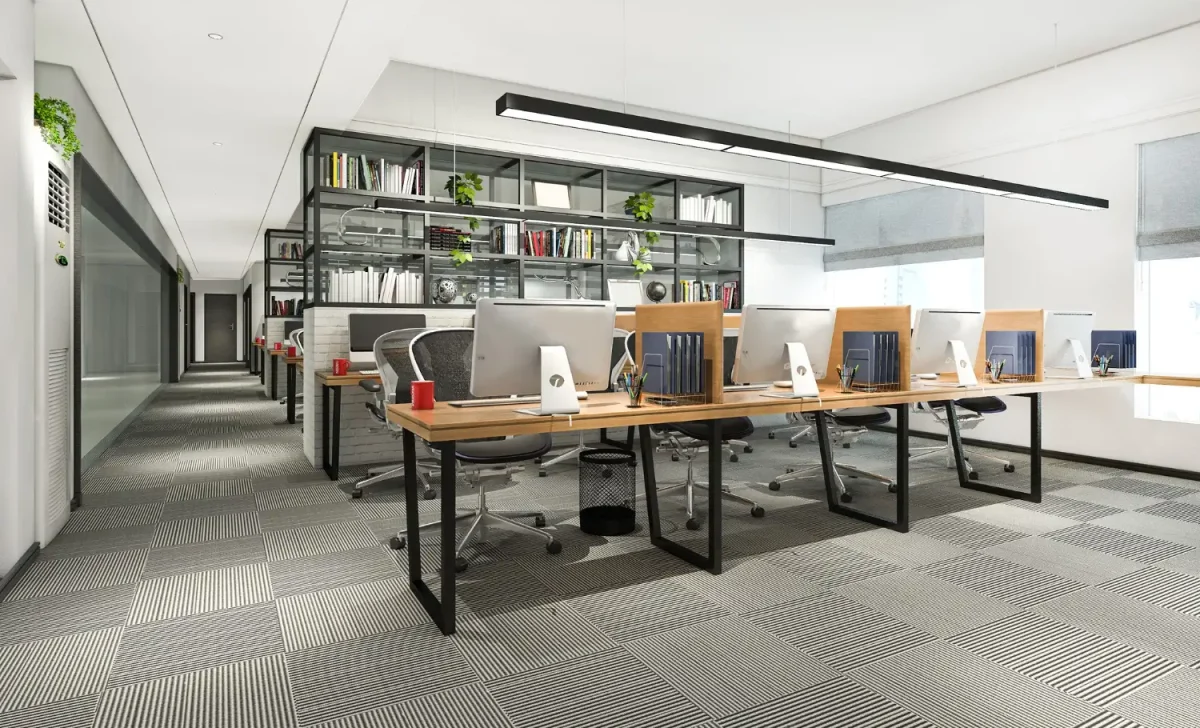
The workplace has changed dramatically over the past decade. Advances in technology, hybrid working models and evolving employee expectations have encouraged organisations to rethink how offices function. No longer viewed simply as places where people complete daily tasks, modern workplaces have become environments that encourage collaboration, innovation and wellbeing.
Companies now understand that workplace layout directly shapes how their organisation performs. A thoughtfully planned workspace supports communication, improves efficiency and helps employees feel more connected to their work. As competition for skilled professionals continues to grow, creating an attractive and practical workplace has become an important part of building a successful organisation.
While technology often receives much of the attention when discussing workplace transformation, the physical environment remains equally important. Every design choice, from lighting and layout to furniture selection, contributes to the overall experience of employees and visitors alike.
Investing in Quality Creates Lasting Value
Building an effective workplace starts with selecting products that combine durability, functionality and thoughtful design. Businesses exploring Staverton furniture are often looking for workplace solutions that support collaboration, employee comfort and long-term performance rather than focusing solely on appearance. Investing in well-designed furniture allows organisations to create workspaces that remain practical, professional and adaptable as business needs evolve.
Unlike low-cost alternatives that may require frequent replacement, quality furniture is designed to withstand years of daily use. Desks, seating and storage solutions experience constant wear within busy offices, making durability an important consideration when planning long-term investments.
Choosing products that remain reliable over time also reduces disruption. Organisations spend less time replacing damaged furniture and more time focusing on activities that contribute directly to business growth.
The Workplace Influences Employee Experience
People dedicate a considerable part of their lives to work, so the physical surroundings significantly affect their overall wellness. Neat and comfortable offices help staff focus, cooperate productively, and stay involved all day.
Ergonomic furniture plays a central role in this experience. Adjustable seating supports healthy posture, while well-designed desks encourage more comfortable working positions. Rooms that blend practicality with ease allow teams to discuss thoughts freely and effectively.
The workplace also influences how employees feel about the organisation itself. Businesses that invest in attractive, practical environments demonstrate a commitment to supporting their teams, helping strengthen morale and reinforce a positive workplace culture.
These improvements extend beyond comfort alone. Employees who feel supported by their working environment are often better positioned to maintain productivity while contributing positively to organisational objectives.
Flexibility Has Become Essential
The traditional office has evolved considerably. Hybrid working arrangements, project-based collaboration and changing organisational structures require workplaces that can adapt quickly without extensive refurbishment.
Flexible office layouts allow businesses to respond to changing needs more efficiently. Modular furniture, movable meeting spaces and adaptable workstations provide greater versatility while helping organisations make better use of available space.
This flexibility benefits both employees and employers. Teams can work together more effectively when collaborative spaces are easily reconfigured, while quieter areas remain available for focused individual work whenever needed.
Businesses planning for future growth also benefit from adaptable furniture because expanding departments or changing operational priorities become easier to accommodate over time.
Sustainability Begins with Long-Term Thinking
Sustainability has become a defining consideration for organisations across every sector. Companies now face greater demands to buy products that satisfy both business targets and ecological duties.
Workplace furnishings are a key factor in this change. Durable products reduce waste because they remain in service for many years, limiting the need for frequent replacements. Longer product lives save raw materials and cut the ecological damage linked to production and discarding.
Ethical supply chains and streamlined manufacturing also aid sustainability efforts, but durability stays among the most powerful methods for lowering environmental harm. Products designed for lasting performance naturally support more responsible patterns of consumption.
Businesses adopting this long-term perspective often discover that sustainable purchasing decisions also provide stronger financial value throughout the lifecycle of workplace investments.
Better Design Encourages Better Collaboration
Successful organisations depend on effective communication. The workplace should actively support collaboration rather than creating barriers between departments or individuals.
Thoughtfully designed meeting areas encourage productive discussions by providing comfortable surroundings that promote participation. Informal breakout spaces create opportunities for spontaneous conversations that often generate innovative ideas.
At the same time, quieter work areas remain essential for tasks requiring concentration. Balancing collaborative and individual spaces allows employees to choose environments that best support the work they need to complete.
This variety creates more dynamic workplaces that accommodate different working styles while improving overall organisational effectiveness.
Creating Strong First Impressions
The office environment influences how visitors perceive an organisation. Clients, business partners and prospective employees begin forming opinions as soon as they enter the workplace.
An organised, well-maintained office communicates professionalism, attention to detail and confidence. Furniture, layout and overall presentation reinforce the organisation’s commitment to quality, often supporting stronger relationships before formal discussions even begin.
Recruitment also benefits from attractive workplace design. Talented professionals increasingly evaluate working environments alongside salary, career development and organisational culture when considering employment opportunities.
Creating positive first impressions therefore supports both customer relationships and long-term talent acquisition.
Productivity Is Shaped by Environment
While business performance depends on many factors, the physical workspace influences how efficiently employees complete everyday tasks.
Poor organisation, uncomfortable seating and cluttered layouts create unnecessary distractions that interrupt workflow. In contrast, practical furniture, effective storage solutions and carefully planned workstations simplify daily activities while reducing frustration.
Employees spend less time overcoming environmental obstacles and more time focusing on delivering meaningful results. These improvements may appear modest individually, but together they contribute to measurable gains in productivity across the organisation.
Workplace design should therefore be viewed as an operational resource rather than simply an aesthetic consideration.
Planning for the Future
Business requirements continue evolving as technology advances and working practices change. Organisations that make thoughtful workplace investments today are better prepared to respond confidently to future opportunities.
Flexible layouts allow businesses to accommodate growth without unnecessary disruption. Durable furniture supports years of reliable use, while carefully planned workspaces remain relevant even as organisational priorities develop.
Future-ready offices are those designed with adaptability in mind. Rather than responding reactively to every new challenge, organisations benefit from environments capable of supporting changing needs with minimal adjustment.
This forward-looking method boosts flexibility and assists companies in controlling ongoing expenses better.
Looking Ahead
The workplace has become much more than a location where employees perform routine tasks. It is now a strategic environment that influences collaboration, innovation, wellbeing and organisational success.
Businesses that invest in quality workplace design recognise that furniture, layout and functionality all contribute to long-term performance. Durable products, adaptable spaces and employee-centred planning create environments where people can work comfortably while supporting broader business objectives.
As organisations continue embracing new ways of working, thoughtful workplace design will remain an important competitive advantage. By making informed decisions that prioritise quality, flexibility and sustainability, businesses create offices that support both present-day productivity and future growth, ensuring their workplace continues delivering value for many years to come.
