
When a Surgical Cut Damages an Organ or Blood Vessel
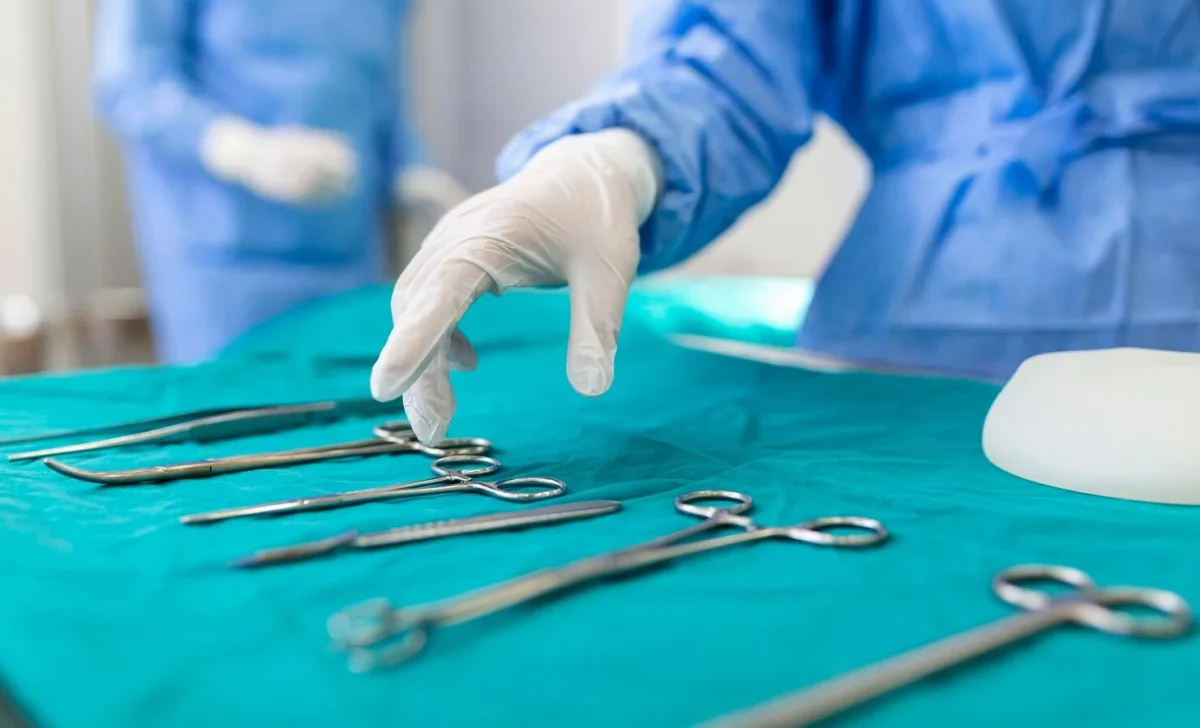
The most serious surgical injuries are not always visible when the patient leaves the operating room. The procedure may be described as complete, the incision may be closed, and recovery may appear to be moving forward. But inside the body, damage to an organ or blood vessel may still be developing, creating pain, bleeding, infection, or other complications that become harder to ignore over time.
Patients may be told that discomfort is part of healing or that complications can happen after surgery. However, when symptoms worsen, emergency care becomes necessary, or another procedure reveals internal damage, the original explanation may no longer feel complete.
According to a medical malpractice attorney for surgical errors in San Antonio, these situations may require a closer review to determine whether the injury was an unavoidable surgical risk or the result of a preventable mistake during the procedure.
The Wrong Cut Can Change the Entire Procedure
A surgical cut is not always limited to the skin. During an operation, a surgeon may need to move through layers of tissue to reach the area being treated. If the surgeon cuts in the wrong place, misidentifies anatomy, or fails to protect nearby structures, an organ or blood vessel may be injured.
This can quickly turn a planned procedure into a medical emergency. The surgical team may need to stop the original operation, control bleeding, repair tissue, call another specialist, or extend the surgery. What began as a routine or scheduled procedure may become far more dangerous because of one preventable mistake.
Nearby Organs May Be More Vulnerable Than Patients Realize
Many organs sit close to the surgical field during common procedures. The bowel, bladder, liver, spleen, kidney, gallbladder, uterus, and other organs may be near the area being treated, depending on the operation. A patient often does not realise how near those structures are until an issue occurs.
Organ damage can cause serious complications. A bowel injury may lead to infection or leakage inside the abdomen. A bladder injury may cause urinary problems. A spleen or liver injury may cause internal bleeding. The harm may require additional surgery, longer hospitalization, antibiotics, drains, or close monitoring to prevent the condition from becoming worse.
Blood Vessel Injuries Can Become Dangerous Quickly
Damage to an artery or vein during surgery can lead to serious complications if bleeding is not recognized and controlled quickly. Warning signs and consequences may include:
- Internal or external bleeding: A vessel may be cut, torn, punctured, or not sealed properly.
- Low blood pressure: Blood loss can cause pressure to drop to unsafe levels.
- Rapid heartbeat: The body may try to compensate for blood loss by increasing heart rate.
- Dizziness or weakness: These symptoms may suggest the patient is not getting enough blood flow.
- Swelling or increasing pain: Internal bleeding may cause pressure, pain, or visible swelling.
- Falling blood counts: Lab results may show that the patient is losing blood.
- Shock: Severe blood loss can become life-threatening without urgent treatment.
If bleeding is not controlled, the patient may need transfusions, emergency surgery, or intensive care. A delayed response can make the injury harder to treat and increase the risk of lasting harm.
Surgical Planning Should Account for Anatomy
Before surgery, medical providers should consider the patient’s anatomy, medical history, imaging results, prior surgeries, scar tissue, and known risk factors. Some patients might have unusual body structure or scar tissue that makes the surgery harder. These challenges do not automatically mean malpractice occurred, but they do require careful planning and judgment.
If imaging, test results, or medical history showed added risk, the surgical team should be prepared. That may mean using a different technique, taking extra time, involving a specialist, or warning the patient about specific risks. When planning is rushed or important information is overlooked, preventable injuries may become more likely.
Small Tools Can Still Cause Major Harm
Many procedures now use laparoscopic, robotic, or other minimally invasive tools. These methods can reduce incision size and recovery time for some patients, but they still involve sharp instruments, heat, cameras, clamps, and energy devices inside the body. A smaller incision does not eliminate the risk of internal injury.
In some cases, damage may happen because a tool is placed incorrectly, visibility is poor, tissue is burned, or a structure is mistaken for something else. Energy devices can also injure tissue through heat that spreads beyond the intended area. Even with advanced technology, the surgeon must maintain control, visibility, and awareness of nearby organs and vessels.
Delayed Recognition Can Make the Injury Worse
A key question in these cases is when the injury was first found. If an organ or blood vessel is damaged, early recognition may allow the surgical team to repair it before the patient leaves the operating room. When the injury is missed, the patient may begin recovery while a dangerous problem continues inside the body.
Delayed recognition may lead to infection, internal bleeding, sepsis, organ failure, additional surgery, or a longer hospital stay. A patient who seemed stable at first may suddenly decline hours or days later. The post-operative timeline can help show whether warning signs were present and whether providers responded quickly enough.
The Records May Tell the Story Behind the Complication
Surgical injury cases often depend on a careful review of medical records. Operative reports, anesthesia notes, nursing entries, imaging studies, lab results, vital signs, medication records, and follow-up notes may help explain what happened. These records may show when the patient first showed signs of trouble and how the medical team responded.
The records may also reveal whether the surgeon documented a difficult procedure, unexpected bleeding, poor visibility, tissue damage, or a repair performed during surgery. If the patient needed a second operation, that report may provide important details about the original injury. Comparing the first procedure with later findings can help determine whether the harm was unavoidable or should have been prevented.
A Surgical Injury Deserves Clear Answers
An organ or blood vessel injury can leave patients facing pain, fear, additional treatment, and uncertainty about what went wrong. Some problems are known risks, but that does not make every internal injury okay or unstoppable. The real question is if the surgical team gave proper care before, during, and after the surgery.
Patients and families should keep discharge papers, test results, medication lists, follow-up instructions, and notes about symptoms after surgery. If the patient returned to the hospital, needed emergency care, or required another procedure, that timeline may be especially important. A careful review can help uncover whether the injury was part of a recognized surgical risk or the result of a preventable error.
