
What Families Get Wrong About Filing A Wrongful Death Claim
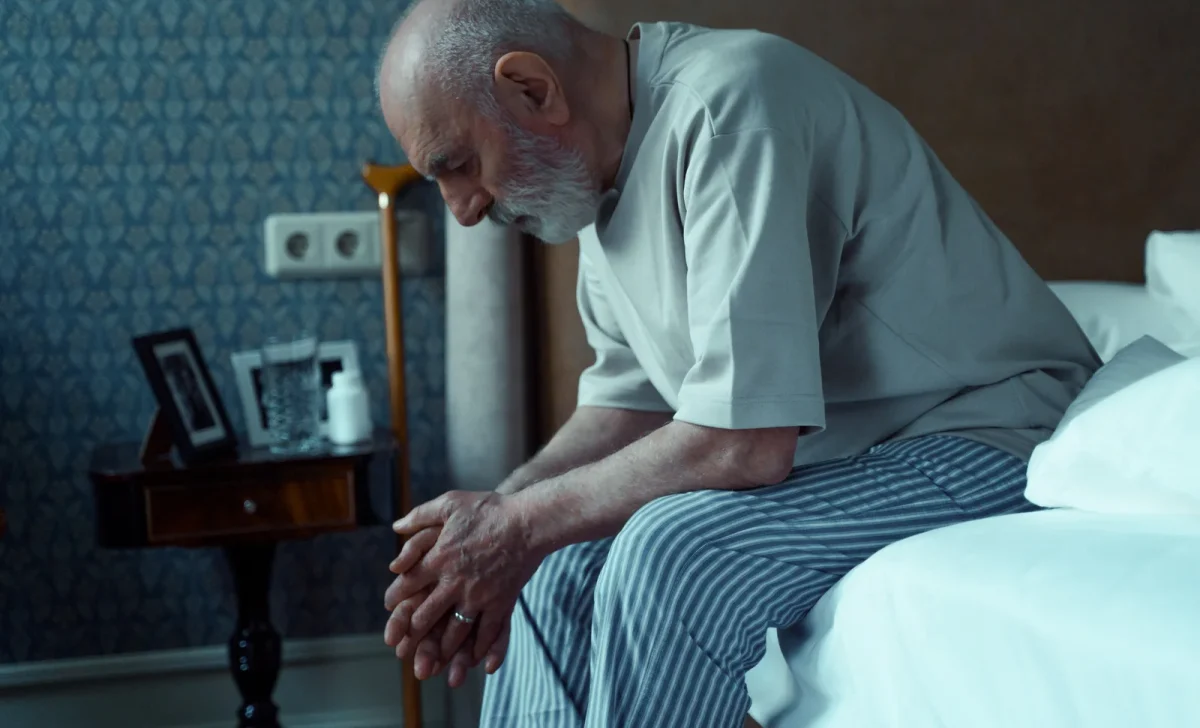
Somewhere right now, a family is losing a case they should have won, not because the death wasn’t someone else’s fault, but because they waited three weeks before calling anyone. Grief slows people down. Insurance companies count on that.
The biggest myth about these cases is that waiting to feel ready protects a family. Usually the opposite is true. Families who reach out for wrongful death legal guidance within days, not weeks, tend to end up with stronger cases and fairer settlements, because evidence disappears fast and insurers move faster.
That’s the whole argument this article rests on. Waiting until the timing feels right is not a strategy. It’s a risk that grows every day it’s left alone. Below are seven specific moves that protect a claim while a family is still grieving, listed in the order they usually matter most.
- Stop talking to the other side’s insurance company without a witness or advisor present. Adjusters ask soft, sympathetic questions designed to produce answers that shrink a payout later. One short call can undo months of work.
- Preserve physical evidence before it disappears. Skid marks fade, security footage often gets overwritten within thirty days, and damaged property gets repaired or scrapped. Photos and notes taken in the first two days frequently decide how strong a case is months later.
- Figure out who actually has legal standing to file. Every state ranks eligible claimants differently, usually starting with a spouse, then children, then parents, and sometimes siblings or an estate representative. Filing under the wrong name can delay or void a claim.
- Request records immediately, not later. Hospital charts, incident reports, and personnel files all sit somewhere. Asking for them right away lowers the odds a company later claims it “cannot locate” them once its lawyers get involved.
- Track every financial loss starting day one. Funeral costs, missed income, and future lost earnings all need paper trails. A folder of receipts started the first week is worth more than numbers reconstructed a year later from memory.
- Get a second opinion before accepting any early settlement offer. A quick check is often presented as kindness. It’s usually a small fraction of what a case is actually worth, offered before the full scope of the loss is even known.
- Watch the filing deadline closely. Every state sets a time limit for wrongful death claims, often around three years, though it can be shorter depending on who is being sued. Miss that window and the case ends permanently, no matter how strong the evidence was.
None of these steps require a family to have their grief sorted out first. They require one other person, a friend, a relative, or an attorney, willing to start the clock while the family focuses on getting through each day.
Why proof matters more than people expect
A death caused by an accident does not automatically turn into a winning claim. Courts generally require proof that another party owed a duty of care, broke that duty, and caused the death as a direct result. That sounds simple written out. In practice, defense teams spend enormous effort poking holes in causation, pointing to a preexisting condition, a moment of distraction, or some unrelated factor instead of their client’s actions.
This is where data says more than emotion can. Unintentional injury remains among the leading causes of death in the United States, spanning vehicle crashes, falls, and workplace incidents, according to the CDC’s injury statistics. Numbers like that explain why wrongful death law exists at scale. It isn’t about turning grief into a payout. It exists because preventable harm keeps happening, and a lawsuit is one of the few tools that holds companies and individuals accountable when it does.
Insurance defense strategy is built around this gap between emotion and proof. Adjusters know families are focused on funerals, not filing paperwork, so they use the early weeks to gather statements and reports that favor their side. A family that understands this dynamic from day one is far less likely to get outmaneuvered before a claim is even filed.
What compensation usually covers
Payouts in these cases generally fall into a handful of categories: medical costs tied to the final injury or illness, funeral and burial expenses, the income the person would have earned, and the harder to price loss of guidance, companionship, and daily support. Juries and insurers weigh each category differently, which explains why two cases that look almost identical on paper can settle for very different amounts.
Pain and suffering experienced before death, if the person survived for any length of time after the incident, often gets undervalued by early settlement offers. Families rarely know to ask about it because no one explains that category exists until much later in the process.
The mistake that quietly kills strong cases
The most damaging mistake families make is not hiring the wrong person. It’s assuming there is plenty of time to decide. Evidence has a shelf life. Witnesses move, forget details, or become harder to reach. Companies, especially larger ones with legal departments on staff, start building a defense within hours of an incident, often before a family has scheduled a funeral.
Claims data backs this pattern up. Claims that get reported and documented quickly tend to resolve faster and with fewer disputes than ones reported after long delays. That gap has nothing to do with honesty. It comes down to how memory, paperwork, and physical evidence degrade over time, and insurers are built around exploiting that decay.
Acting early is not the same as rushing grief
None of this makes grief move faster, and it shouldn’t have to. But a family doesn’t need to feel ready to protect its legal rights. It needs one person willing to take a few practical steps.
The legal clock does not pause for any of that. Acting early isn’t about rushing through loss. It’s about making sure the people responsible for it don’t get to hide behind time that was never theirs to take in the first place.
