
How To Winterize Your Home Before the First Frost
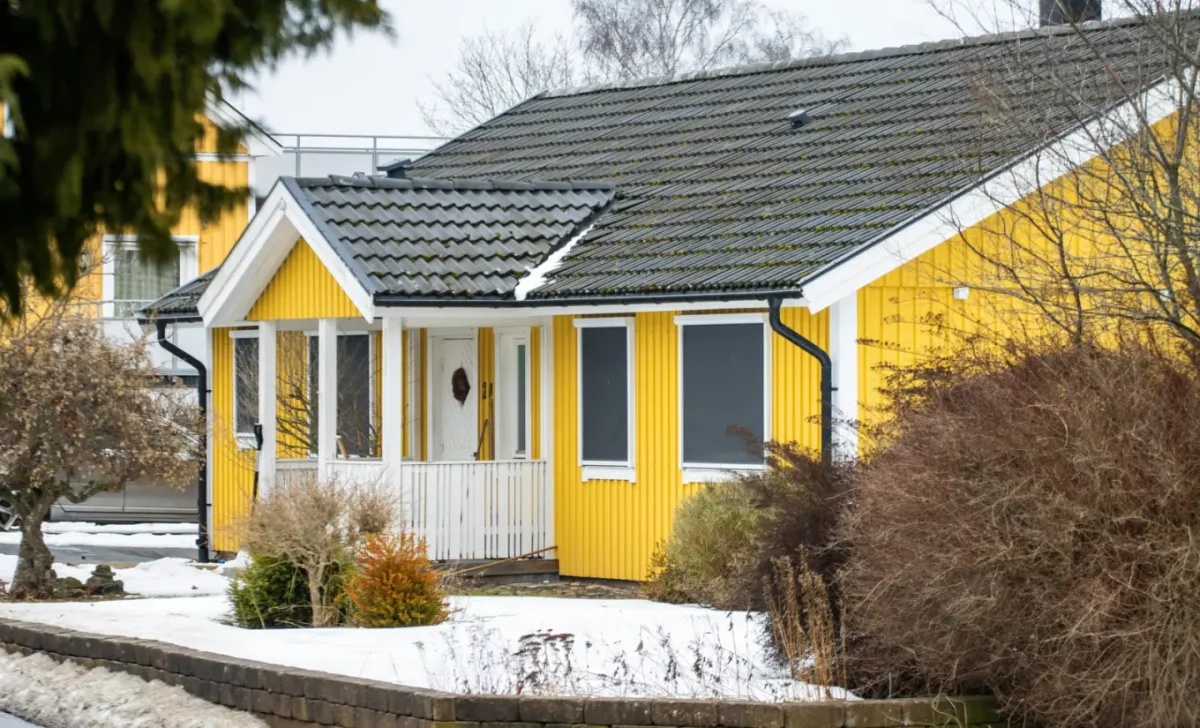
Winter has a habit of arriving before anyone feels completely ready. One day, you are enjoying crisp fall afternoons. The next day, you may be scraping ice from the windshield and wondering why the living room feels drafty.
Fortunately, winterizing your home doesn’t have to become a major renovation project. A few practical tasks completed before the first frost can protect your property, improve energy efficiency, and make cold weather much more comfortable. Grab a jacket, inspect your generator, and get started before winter settles in.
Start With a Cold-Weather Walkaround
Begin by taking a slow walk around the outside of your home. Look for loose roof shingles, damaged siding, cracks in the foundation, or gaps around windows and doors. Even minor openings can allow cold air and moisture inside.
Next, clear leaves and debris from gutters and downspouts. Clogged gutters can prevent melting snow or rainwater from draining, potentially leading to ice buildup and water damage. While you are outside, examine nearby trees for dead or weak branches that could fall during a winter storm.
Prepare for Winter Power Outages
Snow, freezing rain, strong winds, and falling branches can all knock out electrical service. Prepare by checking flashlights, replacing batteries, charging portable power banks, and keeping blankets and shelf-stable food accessible.
A generator can provide additional protection by keeping important appliances or heating equipment operating during an outage. Have the system professionally installed when required, follow its instructions, and never run portable equipment inside a house, garage, or enclosed area. Proper ventilation is essential for preventing dangerous carbon monoxide buildup.
Protect Your Pipes Before Temperatures Plunge
Frozen pipes can turn a cold morning into an expensive bill. Disconnect garden hoses, drain outdoor faucets, and shut off exterior water lines when possible.
Insulate exposed pipes in basements, garages, crawl spaces, and other unheated areas. During periods of extreme cold, opening cabinet doors can help warmer indoor air circulate around plumbing. Allowing a faucet to drip slightly may also reduce the risk of freezing, especially for pipes along exterior walls.
Stop Warm Air From Escaping
Drafty rooms can force your heating system to work harder. Check around doors and windows for moving air, then seal small gaps with weatherstripping or caulk.
Door sweeps and draft blockers can help close larger openings near the floor. Insulated curtains provide another useful barrier at night, while opening them during sunny winter days lets natural warmth enter. These simple fixes can create a cozier home without dramatically turning up the thermostat.
Give Your Heating System a Preseason Checkup
Your heating system deserves some attention before it begins working overtime. Schedule a professional inspection for your furnace, boiler, or heat pump so a technician can identify worn components, leaks, or other problems before temperatures plunge.
Replace or clean the HVAC filter and ensure furniture, rugs, and curtains are not blocking vents. Test the thermostat, too. If your home uses propane or heating oil, confirm that you have enough fuel available. No one wants to arrange an emergency delivery during the first serious cold snap.
Make the Fireplace and Chimney Winter-Ready
A crackling fire may be cozy, but a neglected fireplace can create serious hazards. Have a wood-burning chimney professionally inspected and cleaned to remove soot, creosote, animal nests, and debris.
Check that the damper opens and closes correctly, and examine the surrounding masonry for visible cracks. If you have a gas fireplace, inspect and operate it according to the manufacturer’s directions. Store seasoned firewood somewhere dry and a safe distance from the house. Most importantly, never leave a burning fire unattended.
Check Your Winter Safety Equipment
Test every smoke alarm and carbon monoxide detector in your home. Replace expired units and install fresh batteries when necessary. It’s also important to check fire extinguishers to ensure they remain charged and accessible.
Create a basic winter emergency kit containing bottled water, shelf-stable food, blankets, medications, flashlights, batteries, and pet supplies. Review your household emergency plan, so everyone knows where to meet and whom to contact if severe weather creates a problem.
Prepare the Yard and Outdoor Equipment
Bring patio cushions, delicate plants, and temperature-sensitive products indoors. Drain hoses, sprinklers, and outdoor tools before freezing water can damage them.
Inspect your snow shovel and test your snow blower before you need either one. Place ice melt somewhere easy to reach rather than burying it behind summer equipment. Secure lightweight outdoor objects that could become airborne during strong winds, and arrange for risky branches to be professionally trimmed.
A Little Preparation Makes Winter Easier
Winterizing your home may not be the most exciting fall activity. However, it feels considerably better than dealing with frozen pipes, chilly drafts, or a malfunctioning heating system.
Complete the most urgent jobs before the first frost, then work through the remaining tasks before harsher weather arrives. A well-prepared home helps protect your property, lowers avoidable risks, and gives you more time to enjoy winter from somewhere warm and comfortable.
