
Whole House Customization: A Complete Guide to Custom Home Interiors
Creating a beautiful home is not only about choosing attractive furniture. A successful interior should reflect the homeowner’s lifestyle, make efficient use of available space, and maintain a consistent design throughout every room.
Whole house customization takes this approach one step further by designing multiple areas of the home as part of one coordinated interior plan. From kitchens and bedrooms to living rooms, bathrooms, storage areas, windows, and doors, customized solutions can help homeowners create a home that feels personal and functional. With careful planning, whole house customization can also improve storage, organization, comfort, and the overall appearance of a property.
What Is Whole House Customization?
Whole house customization is an interior design approach in which furniture, cabinetry, storage, and other home elements are planned according to the specific requirements of a property. Instead of purchasing unrelated furniture for each room, homeowners can create a coordinated design concept. Colors, materials, finishes, hardware, and layouts can be selected to complement one another.
This approach is particularly useful for new homes, major renovations, and homeowners who want built-in furniture that makes better use of available space.
Start With a Complete Home Plan
Before selecting individual products, create an overall plan for the property. Consider the number of rooms, their dimensions, natural lighting, existing architectural features, and the way each space will be used.
Think about your lifestyle as well. A family with children may need more durable materials and storage, while someone who works from home may require a dedicated office area. Planning the entire home at the beginning can help prevent design conflicts and create better coordination between different rooms.
Customized Kitchen Design
The kitchen is one of the most important areas to consider in whole house customization. Custom cabinets can be designed around appliances, windows, plumbing connections, and the dimensions of the room. Homeowners can choose cabinet colors, door styles, countertops, hardware, and internal storage according to their preferences.
Features such as pull-out pantries, deep drawers, corner storage, and built-in appliance units can improve functionality. A customized kitchen can also establish the design direction for the rest of the home by introducing colors, textures, and materials that can be repeated elsewhere.
Personalized Bedroom Storage
Bedrooms require practical storage solutions that keep clothing and personal belongings organized. Customized wardrobes can make better use of wall space than many standard furniture options.
A wardrobe can be designed with different sections for hanging clothes, folded items, shoes, bags, and accessories. Floor-to-ceiling storage can also take advantage of otherwise unused vertical space. Matching wardrobe finishes with other furniture can create a cohesive bedroom design while maintaining a clean and organized appearance.
Living Room Customization
The living room should balance comfort, storage, and visual appeal. Built-in TV units, shelving, display cabinets, and storage walls can be customized to suit the room’s dimensions. Instead of filling the room with several unrelated pieces of furniture, a coordinated built-in solution can create a cleaner appearance.
Materials and finishes should complement the sofa, flooring, lighting, and other decorative elements. Neutral colors can provide a timeless foundation, while selected accent materials can add personality.
Customized Bathroom Furniture
Bathrooms can also benefit from customized cabinetry. Vanity units can be designed around sinks, plumbing, mirrors, and available wall space. Storage can be created for towels, toiletries, cleaning supplies, and personal care products. Wall-mounted cabinets can be particularly useful in compact bathrooms because they provide storage without occupying excessive floor space.
Moisture-resistant materials and easy-to-clean surfaces should be prioritized because bathrooms are exposed to humidity and water on a regular basis.
The Importance of Windows
Windows influence natural light, ventilation, energy efficiency, and the visual character of a home. They should therefore be considered as part of the overall interior and architectural design.
Homeowners can research experienced Chinese window manufacturers when exploring different window materials, styles, configurations, and customization options.
Depending on the project, options may include different frame materials, glazing systems, opening configurations, and finishes. The right choice should consider the property’s climate, orientation, insulation requirements, and architectural style.
Choosing China Window Doors
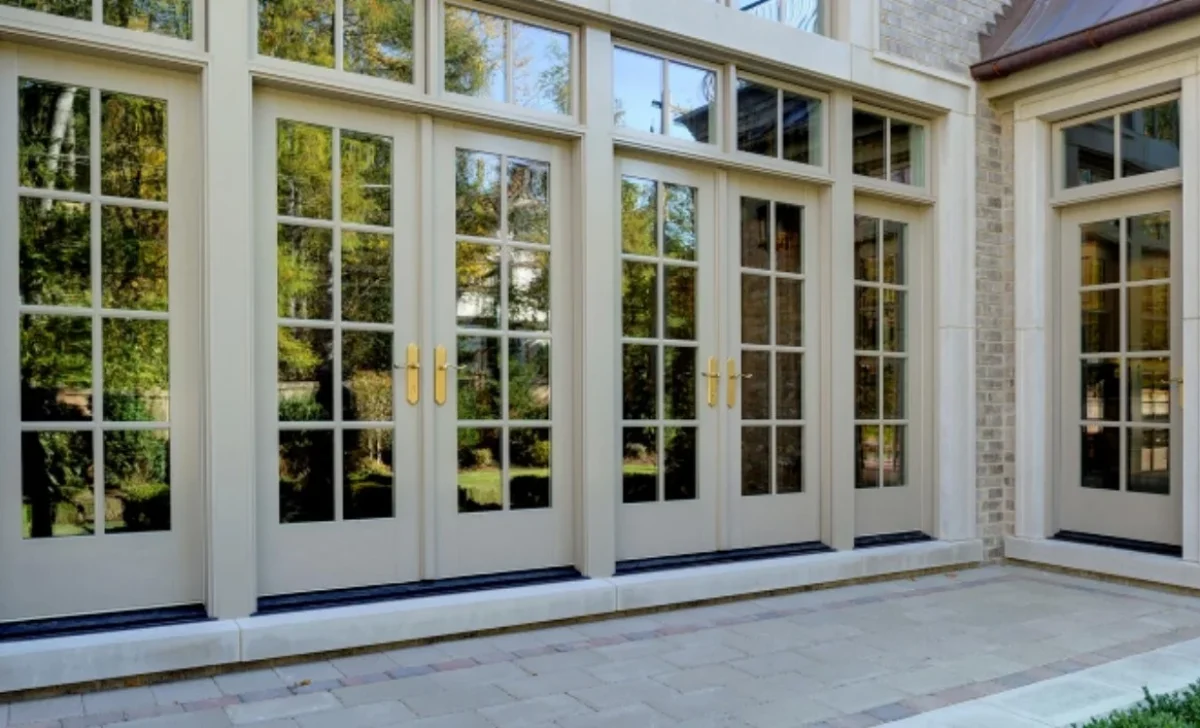
Windows and doors can also work together to create a consistent exterior and interior appearance. When researching China window doors, homeowners should compare specifications, materials, manufacturing standards, customization options, and installation support.
Large glass doors can help connect indoor living spaces with balconies, gardens, or patios, while appropriately selected windows can maximize daylight. For larger renovation or construction projects, coordinating window and door designs from the beginning can help ensure consistent dimensions, colors, and finishes.
Creating a Consistent Material Palette
One of the major benefits of whole house customization is the ability to coordinate materials throughout the property. For example, a wood finish used in kitchen cabinetry can be repeated in bedroom wardrobes or living room storage. Hardware finishes can also be coordinated across cabinets, doors, and furniture.
This does not mean every room needs to look identical. Instead, repeating selected materials and design elements creates a visual connection between spaces.
Maximize Difficult Spaces
Custom furniture is particularly valuable when dealing with unusual architectural features. Corners, narrow hallways, sloped ceilings, and awkward wall spaces can be difficult to furnish using standard products.
Customized storage can be designed around these challenges. Corner cabinets, built-in shelving, tall storage, and specially sized furniture can turn unused areas into practical parts of the home. This can be especially beneficial in apartments and smaller properties where efficient space utilization is essential.
Consider Smart Home Integration
Modern whole house design increasingly incorporates technology. Smart lighting, connected appliances, automated curtains, security systems, and other technologies can be considered during the planning stage.
Furniture can also be designed to accommodate televisions, speakers, charging stations, and other devices while keeping cables hidden. Planning these features early can create a cleaner and more organized result than attempting to integrate technology after the furniture has already been installed.
Choose Materials Carefully
Material selection affects the appearance, durability, maintenance, and cost of a customized interior. Homeowners should compare different cabinet boards, finishes, countertops, glass, hardware, and other materials.
Consider how each material will perform in its intended environment. Kitchens require surfaces that can withstand daily use, while bathrooms need moisture-resistant solutions. For windows and doors, pay attention to frame construction, glass specifications, seals, hardware, and installation quality.
Budget for the Entire Project
Whole house customization can involve many different products and services, so establishing a realistic budget is essential. Divide the budget into major categories such as kitchen cabinetry, wardrobes, living room furniture, bathroom furniture, windows, doors, lighting, installation, and other construction requirements.
Prioritize features that provide the greatest long-term value. High-quality storage and durable materials may be more worthwhile than spending heavily on purely decorative elements. Request detailed quotations and clarify what is included in design, manufacturing, delivery, installation, and after-sales support.
Work With an Experienced Partner
A whole-house project involves many decisions, so working with an experienced design and manufacturing partner can simplify the process. Look for a company that offers customization, professional design support, quality materials, clear product specifications, and reliable project coordination.
If you are sourcing internationally, verify manufacturing capabilities, quality standards, communication processes, delivery arrangements, and installation responsibilities before placing an order.
Conclusion
Whole house customization provides homeowners with an opportunity to create interiors that are cohesive, functional, and tailored to their individual lifestyles. From customized kitchens and wardrobes to living room storage, bathroom furniture, windows, and doors, every element can be planned as part of a unified design.
Exploring experienced Chinese window manufacturers can provide access to different window styles, materials, and customization options. Similarly, researching China window doors can help homeowners compare coordinated solutions for windows and doors during a new construction or major renovation.
The key to a successful whole-house project is careful planning. By establishing a consistent design direction, selecting durable materials, maximizing available space, and coordinating every room from the beginning, homeowners can create a personalized interior that remains attractive and practical for years to come.
