
How Professional Patio Installation Can Enhance Your Backyard
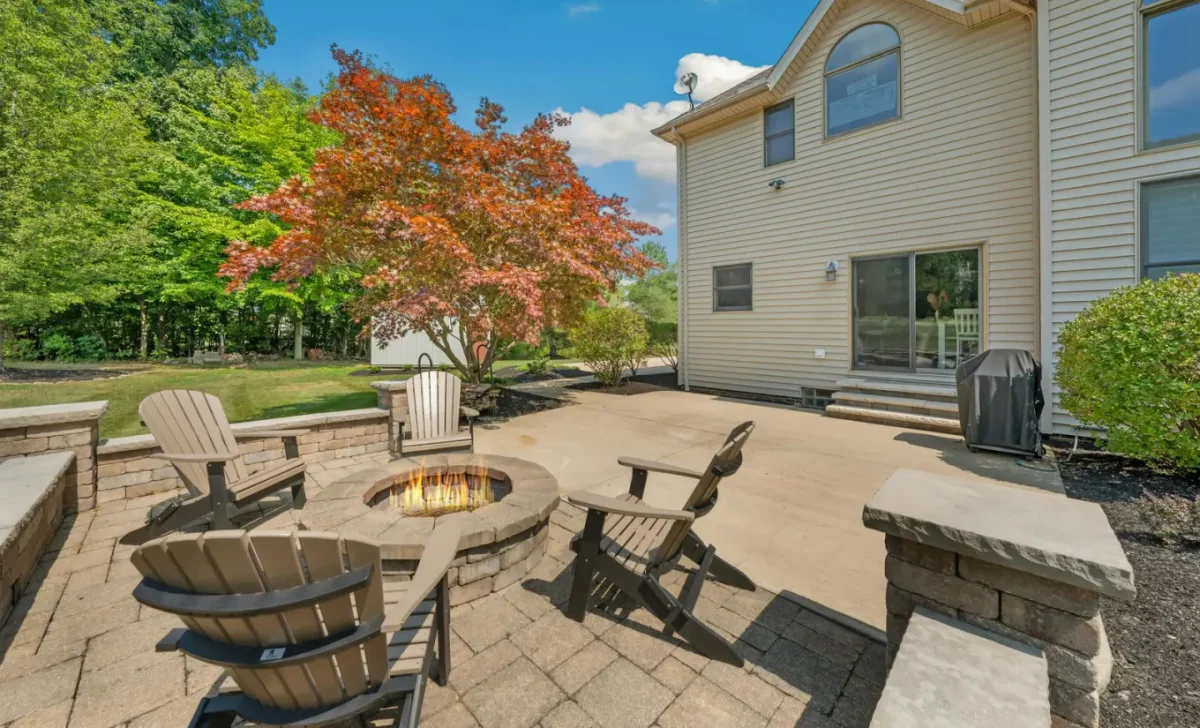
A backyard can offer much more than grass, garden beds, and a place for outdoor furniture. With thoughtful planning, it can become an extension of your home where you can eat, entertain, relax, and spend time with family.
However, creating a patio that looks good and performs well requires more than placing pavers on the ground. Professional patio installation combines careful planning, correct grading, solid base preparation, and precise workmanship.
This guide explores the key benefits of professional installation, what the process involves, and how it compares with taking the DIY route.
How Professional Patio Installation Enhances Your Backyard
A patio serves several purposes at once. It creates usable space, influences drainage, connects different parts of the landscape, and contributes to the overall appearance of a backyard.
Here is how it can make a noticeable difference to your space:
It Turns Unused Ground Into Functional Living Space
Uneven lawns, muddy patches, and awkward corners can leave valuable backyard space unused. A professionally installed patio turns that ground into a stable area for dining, relaxing, grilling, and entertaining.
This defined surface also makes it easier to arrange furniture and create a clear purpose for an otherwise overlooked part of the yard. Homeowners gain usable living space without changing the footprint of their home.
It Creates a More Cohesive Backyard Design
A patio should complement its surroundings rather than look like a separate addition. Therefore, professional installers consider the home’s architecture, landscaping, walkways, garden features, and existing hardscaping during planning. They coordinate paver colors, borders, shapes, and patterns with these elements.
This attention to detail helps connect different areas of the property and gives the entire backyard a more intentional appearance.
It Provides a Stable Foundation for Outdoor Activities
A professionally installed patio creates a stable surface designed for regular outdoor use. It can comfortably accommodate foot traffic, furniture, grills, planters, and other backyard features while maintaining a neat and consistent appearance.
Professional workmanship also helps reduce problems such as uneven areas and shifting pavers, giving homeowners a more dependable outdoor space for everyday activities.
It Supports Better Drainage
Water needs somewhere to go when it reaches a patio. Professional installers evaluate site elevations and establish an appropriate slope to guide water in the intended direction.
They can also consider nearby lawns, planting beds, drains, downspouts, and existing hardscaping when planning drainage.
Managing water from the beginning helps the patio and surrounding landscape function more effectively during wet conditions.
It Can Make Maintenance More Manageable
Every outdoor surface needs some maintenance, but a properly constructed patio can make routine care easier.
Individual pavers allow installers to access localized areas when repairs become necessary without automatically replacing the entire surface.
Homeowners can also manage most routine care through sweeping, stain removal, vegetation control, and periodic joint maintenance.
It Gives Homeowners Greater Design Flexibility
Pavers offer many possibilities for creating a patio that complements the property. Homeowners can choose from different colors, textures, shapes, sizes, patterns, borders, and contrasting accents. Professionals can combine these elements without making the design feel overly complicated.
For example, a contrasting border can define the patio edge, while carefully selected colors can connect the hardscape with exterior masonry, siding, or surrounding landscaping. This flexibility allows homeowners to balance practical needs with their preferred style.
What Goes Into a Professional Patio Installation?
The finished surface represents only one stage of the project. Quality patio construction follows a sequence in which every stage supports the next:
- Planning and layout: Installers measure the area and establish the patio’s size, shape, purpose, and relationship with surrounding features.
- Site evaluation: They assess soil conditions, elevations, access, drainage, and obstacles that could affect construction.
- Excavation: The crew removes soil and organic material to create enough depth for the complete pavement system.
- Base preparation: Installers place and compact appropriate aggregate material. A stable base helps limit movement and settlement.
- Grading: The crew establishes the required slope so water travels in the intended direction.
- Bedding preparation: A consistent bedding layer helps support accurate paver placement.
- Paver installation: Installers lay the selected pattern while checking lines, elevations, spacing, and cuts.
- Edge restraint: Proper restraints help prevent perimeter pavers from moving outward.
- Joint filling and compaction: Joint material and final compaction help create an interlocked, stable surface.
- Finishing: The team cleans the area, checks details, and completes any specified finishing or sealing work.
Skipping or rushing one stage can affect everything above it. That level of preparation also highlights one of the biggest differences between professional installation and attempting the same project without specialist experience.
Professional Patio Installation vs. DIY: What Is the Difference?
DIY installation can work for a small and straightforward project when a homeowner has the necessary knowledge, equipment, time, and practical skills. However, larger or more complicated patios usually require professional installation.
Here is how the two approaches generally compare.
| Factor | Professional Installation | DIY Installation |
|---|---|---|
| Site planning | Considers layout, elevations, and surrounding features | Depends on homeowner knowledge |
| Drainage | Incorporated into grading and preparation | Easy to overlook or miscalculate |
| Excavation | Planned for the complete pavement system | Can become labor-intensive |
| Base preparation | Professional equipment supports consistent compaction | Often requires equipment rental |
| Paver cutting | Specialized tools provide accurate cuts | Complex cuts can prove difficult |
| Edge finishing | Integrated into the installation | May require additional research |
| Project time | Experienced crews follow an established process | Can take considerably longer |
| Troubleshooting | Professionals can address site complications | Homeowner must identify solutions |
| Final appearance | Consistent patterns, lines, and transitions | Depends heavily on experience |
How Eli’s Paver Patios Helps Create Better Outdoor Living Spaces
Eli’s Paver Patios helps homeowners in Western Washington create practical, attractive outdoor spaces with paver patios and related hardscape solutions.
Their experience with patios, walkways, driveways, retaining walls, and other outdoor improvements supports a coordinated approach to backyard projects.
By focusing on careful planning, preparation, drainage, and installation, the company can help create outdoor areas that complement the property and support everyday use.
If you are planning a backyard transformation in Western Washington, contact Eli’s Paver Patios to schedule a consultation and bring your outdoor living space to life.
Conclusion
A professionally installed patio can change how a backyard looks, feels, and functions. It can turn unused ground into practical living space, improve visual continuity, support outdoor activities, manage drainage, and give homeowners greater design flexibility.
However, achieving those benefits requires more than selecting attractive pavers. Proper planning, excavation, base preparation, grading, compaction, edge restraint, and accurate installation all contribute to the finished surface.
Professional installation brings these elements together from the beginning. The result is not simply a new paved area, but a more functional and enjoyable backyard that becomes a natural extension of the home.
