
Exploring Central Asia: A Guide to Adventure and Hidden Travel Gems
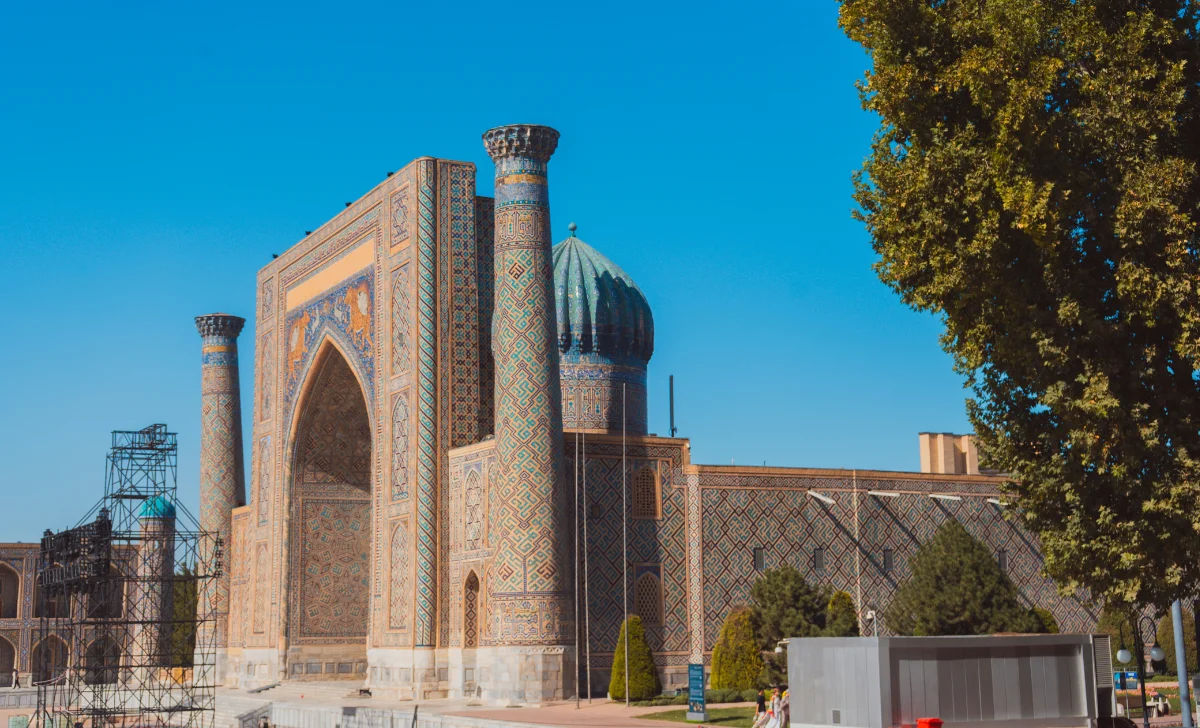
If Central Asia isn’t on your travel radar yet, it probably should be. Five countries, Kyrgyzstan, Kazakhstan, Uzbekistan, Tajikistan, and Turkmenistan, spread across deserts, mountain ranges, ancient Silk Road cities, and open steppe. Getting there has gotten a lot easier over the past decade, with simpler visa rules and more flight options than there used to be.
This guide breaks down what each country actually offers, which cities are worth your time, where the adventure is, and the practical stuff you need before you book anything.
Why Central Asia is Becoming a Popular Place to Visit
More people are discovering Central Asia every year, but it still hasn’t hit the tipping point where everywhere feels overrun. You can walk through major historical sites without fighting crowds, find trails that aren’t on every travel blog, and have experiences that feel genuinely local.
Low cost of travel. In Kyrgyzstan and Tajikistan, $30 to $60 a day covers accommodation, food, and getting around just fine. Kazakhstan and Uzbekistan cost a little more, but both are still far cheaper than most international trips.
Getting there is easier now. Kyrgyzstan doesn’t require a visa for over 60 nationalities. Uzbekistan dropped requirements for most American and European travelers a few years back. Connecting flights through Istanbul, Dubai, or Moscow get you to any of the five capitals without too much hassle.
A lot of variety in one trip. Two weeks of Central Asia tours can take you from high mountain trails in Kyrgyzstan to the old Silk Road cities of Uzbekistan. These places feel nothing like each other, which makes the whole trip feel fuller.
Go now while it’s still like this. Tourist infrastructure is being built out fast across the region. Prices are creeping up and the more popular spots are getting busier every season. What’s available today won’t look the same in five years.
Top Countries to Visit in Central Asia and What Makes Them Unique
Kyrgyzstan is where you go if the outdoors is the point. More than 90% of the country sits above 1,500 meters, and the Tian Shan mountains take up most of it. Local communities have set up homestays and guided treks across remote valleys, so it’s not hard to get off the main roads. Connecting with a travel agency in Bishkek saves you a lot of back-and-forth when sorting out transport, guides, and permits for the backcountry.
Kazakhstan is the biggest of the five and the most developed economically. Almaty is an actual city that has great dining and hiking paths located very close by. Get outside the urban areas and you’ve got the Charyn Canyon in the southeast and the Altai Mountains up north, places most visitors never get to.
Uzbekistan is where the Silk Road history is concentrated. Samarkand, Bukhara, and Khiva are all UNESCO-listed, and a high-speed rail line connects them, so moving between cities is easy. Hotels, guides, and restaurants are all well set up here compared to the rest of the region.
Turkmenistan is the hardest one to visit. You can’t travel independently; a licensed operator has to arrange everything, and you follow a set itinerary. But the Darvaza Gas Crater, a hole in the Karakum Desert that’s been on fire since a Soviet drilling accident in 1971, is one of the strangest things you’ll ever see. For some travelers, that alone is worth it.
Best Cities and Hidden Gems Worth Visiting
Samarkand, Uzbekistan draws more visitors than anywhere else in Central Asia, and it earns it. The Registan, three madrassas built around a central square, is best in the early morning before the tour groups show up. The Shah-i-Zinda necropolis just outside the old city center gets overlooked by a lot of people, but the 14th and 15th century tilework there is actually better preserved than what you’ll see at the bigger sites.
Bishkek, Kyrgyzstan is a solid base for getting out into the surrounding area. Ala Archa National Park is about 40 km south and you can get there by shared taxi for less than five bucks. The Osh Bazaar downtown is worth a stop to pick up dried fruit, nuts, and supplies before heading into the mountains.
Bukhara, Uzbekistan has an old town you can cover on foot in an afternoon, hitting the Ark Fortress, the Poi Kalyan complex, and the old covered trading domes without needing a guide. It’s more compact than Samarkand, and easier to navigate on your own. The workshops inside the old city sell handmade silk and cotton textiles directly, no middleman.
Osh, Kyrgyzstan sits in the south near the Fergana Valley and works well as a jumping-off point for that part of the country. Sulayman Mountain rises right out of the city and has a small museum carved into the rock. The Jayma Bazaar along the river is massive and genuinely local, not the kind of place set up for tourists.
Adventure Travel Opportunities Across Central Asia
If you’re after something physically demanding or just want to get far off the tourist track, Central Asia delivers across the board, from multi-day mountain treks to desert nights and off-road routes that see very few visitors.
Trekking, Hiking, and Mountain Expeditions
Kyrgyzstan has more trekking infrastructure than anywhere else in the region. The Ala-Kul Lake circuit out of Karakol runs 3 to 4 days and tops out at 3,532 meters, doable for fit hikers who don’t have technical climbing experience. The Jyrgalan Valley has marked trails, guesthouses, and horse rental through the local cooperative.
Tajikistan’s Fann Mountains have multi-day routes passing between a chain of colored lakes, and the Seven Lakes trek is the most accessible of them. Independent trekking here is trickier than in Kyrgyzstan, so going with a local guide makes the logistics a lot smoother.
Desert Safaris and Off-the-Beaten-Path Adventures
The Darvaza Gas Crater in Turkmenistan takes 3 to 4 hours to reach from Ashgabat, partly on unpaved road. One important update: Turkmenistan drilled bypass wells in 2025 that have reduced the crater’s flames by roughly two-thirds, so it no longer looks like the dramatic inferno you’ll see in older photos and videos.
Check recent visitor reports before building a trip around it. The remote desert setting and overnight camping experience are still worth it for the right traveler, but go in with accurate expectations. Late spring or early fall are the ideal times to go because summer heat goes above 45°C.
Altyn-Emel National Park in Kazakhstan is 4,600 square kilometers of steppe, canyon, and dune country. The Singing Dunes, a 1.5 km crescent-shaped barchan that rises 120 meters and produces a deep hum when dry winds blow across it, are the main draw.
The park also has Scythian burial mounds, wild Przewalski’s horses, and the colorful Aktau Mountains. You need a permit from the park entrance in Basshi village, and a 4WD is required for most interior routes.
Wrapping Up
Every nation in Central Asia has its own special reason to explore it. Uzbekistan is the call if you’re drawn to history and architecture. Kyrgyzstan is the place for mountain trekking and outdoor travel. Kazakhstan fits if you want city convenience alongside real wilderness. Tajikistan is for travelers who don’t mind rough logistics in exchange for somewhere truly remote.
Turkmenistan is for the rare-experience crowd.Getting there is less complicated than most people expect. Visas are sorted, costs are low, and local operators running Central Asia tours can take care of the planning details that might otherwise put you off. You’ve got all the tools to begin taking your next steps.
