
7 Steps To Choose Soils and Composts That Support Plant Growth
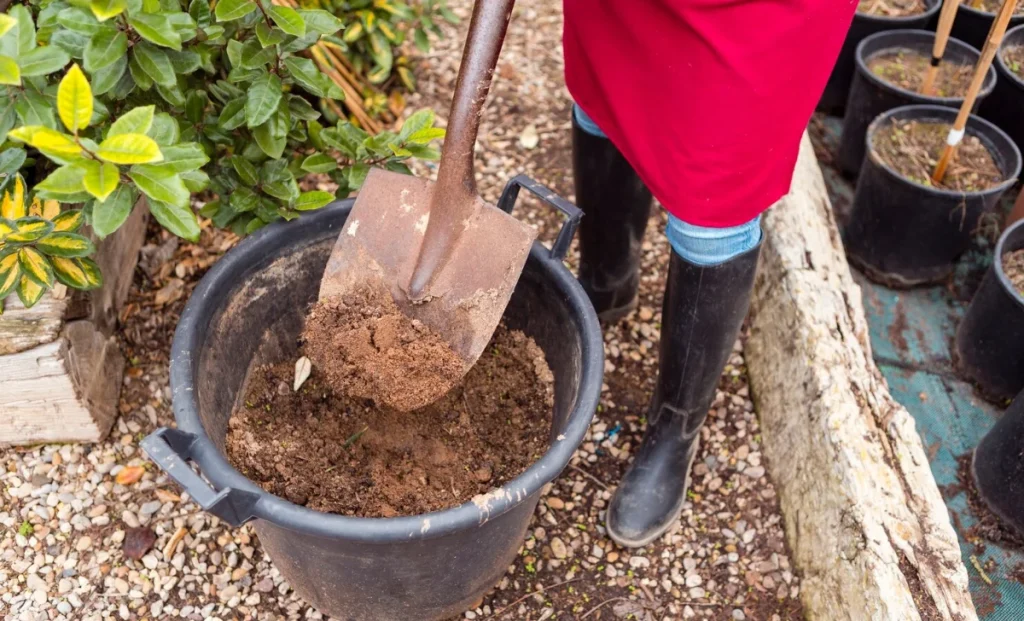
Different soils and composts dictate how well your plants grow, how their roots establish, and their overall health in the long run. Ground is the main foundation for plants and supplies moisture, oxygen, and food. If you make poor choices, the plant will not grow well, and you will be left frustrated. In this article, you will understand how to choose soils and composts that will help your plants grow.
1. Understand Your Plant Requirements First
You must first understand what your plants will need before selecting specific soils and composts. Understanding whether your plants will need soil that is moisture-retentive or one that drains freely will save you from a mismatch of growing conditions.
This makes sure that every choice you make after that will be for the benefit of the plants, thus relieving you of any stress and enabling fast and steady growth.
2. Check Soil Texture and Structure
Now that the requirements of the plants have been established, the next element to examine is the texture of the soil. Quality soil is the one that has an even mixture of sand, silt, and organic matter. This enhances soil drainage and also increases moisture retention.
Choosing a good soil prevents compaction and waterlogging, two conditions that inhibit root growth and reduce the performance of the plants.
3. Look For Compost With Balanced Organic Matter
Just like the soil, the quality of the compost contains broken organic matter that helps to improve the structure of the soil without posing a risk to the plants. A slow-release compost sustains beneficial soil organisms and improves the soil nutrition level. The compost that is rich, crumbly and not raw or uneven is the one that fosters the long-term health of the soil and the balanced nutrition of the plants.
4. Consider Drainage and Moisture Retention Together
Instead of concentrating on one of the two, optimal drainage or moisture retention, consider how the soil and compost integrate the two. Water retention and the excess drainage of growing media are how the root systems of the plants are designed to function.
This prevents root rot while reducing the risk for the plants in the event of dehydration, because water-efficient soil conditions are crucial for the plants.
5. Avoid Contaminated or Poorly Processed Materials
Soils and compost of poor quality may contain debris, weeds, or harmful residues. These contaminants compete with and may damage root systems over time. By using clean, well-processed materials, you minimise the risk of incorporating problems into your garden. Following this important step safeguards plant well-being and keeps maintenance headaches from arising due to low-quality inputs.
6. Match Soil And Compost To Garden Use
Take note that different garden sections require different soil blends, so beds, pots, lawns, and garden beds all fill to specific soil characteristics.
You should not forget that by matching soils and composts to each intended purpose, you set conditions that promote healthy growth with minimal adjustment. This means that having this focused effort simplifies care and maintenance while increasing results.
7. Refresh and Improve Soil Over Time
Finally, make sure that you remember that healthy soil evolves, so even the best soils need periodic boosts from compost to restore structure and nutrients. Keep in mind that by routinely refreshing soils, you prevent saturation and maintain balance. As a result, this helps you keep your garden productive year after year without quick fixes while supporting your plants’ health in the long term.
Building Strong Foundations With The Right Soils and Composts
Healthy soil grows healthy plants. Knowing soil and compost quality, balancing and maintaining soil health, and understanding plant needs create dependable growing conditions. Healthy plants reduce garden care and soil-compost stress. When soil and compost function together, they transform a garden into a resilient, productive, and enjoyable space to experience in every season.
