
How to Choose the Best Treats and Chews for Puppies, Adult Dogs, and Seniors
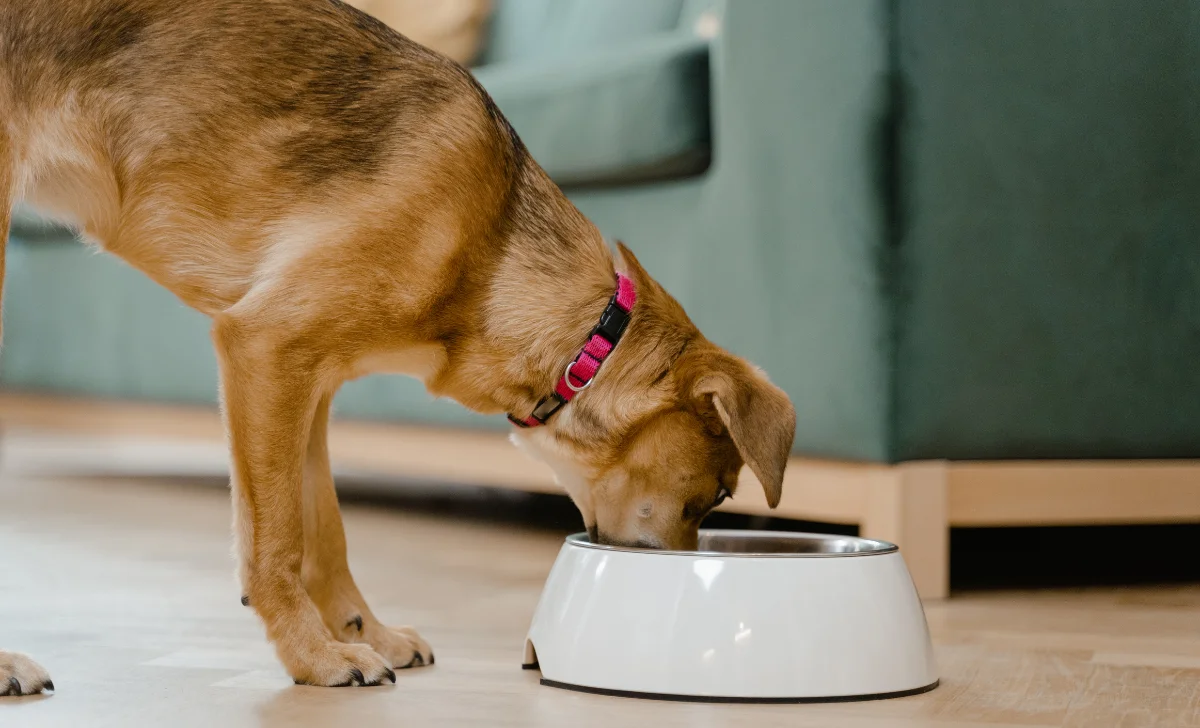
Every dog enjoys a tasty reward, but not every treat suits every stage of life. A growing puppy has different nutritional and chewing needs than an active adult dog or a senior with sensitive teeth. Choosing the right treats and chews isn’t just about keeping your dog happy. It also supports healthy development, encourages good behavior, and provides mental stimulation.
Whether you’re welcoming a new puppy into your home or caring for a loyal companion in their golden years, understanding the differences between treat types can help you make better choices. Here’s what to look for when selecting treats for dogs at every age.
Match Treats to Your Dog’s Life Stage
Dogs go through significant physical changes as they age, and their treats should reflect those changes.
Young dogs require snacks that are simple to chew and good for their tummies, helping them grow well. Small, soft treats work well during training because they’re gentle on developing teeth and quick to eat, allowing training sessions to keep moving. Softer chews can also help satisfy natural chewing instincts without placing too much pressure on young jaws.
Grown dogs generally have the most choices for treats. Depending on their size, activity level, and chewing habits, they can enjoy everything from crunchy biscuits to longer-lasting natural chews. The right choice depends on whether the goal is training, enrichment, dental care, or simply offering a reward.
Older dogs often do better with soft treats that are gentle on their older teeth and gums. Older dogs may also appreciate treats with simple ingredient lists if they have more sensitive digestion. While many seniors still enjoy chewing, gentler options are generally more comfortable than very hard chews.
Finding the Right Chews for Safe and Enjoyable Chewing
Not all types of chews are right for every single dog. Size, chewing strength, and age all influence what makes a safe option.
If a chew is too tiny, a dog might choke on it, and if it’s too tough, young or old dogs may struggle with it. Always pick a chew that matches your dog’s size and watch them while they chew, particularly when trying something new.
If you’re looking for a range of natural treats and chews suitable for different ages and preferences, Fresh Is Best offers a selection that makes it easier to find options tailored to your dog’s individual needs, rather than relying on one type of treat for every situation.
Rotating between different textures and chew styles also helps keep dogs mentally engaged while preventing boredom from eating the same reward every day.
The Feel of a Treat is More Important Than Many Dog Owners Think
Texture plays a bigger role than taste alone. Different textures serve different purposes throughout a dog’s life.
Soft treats are excellent for:
- Training sessions
- Puppies learning new commands
- Senior dogs with dental sensitivity
- Dogs that need quick rewards
Crunchy treats provide a satisfying bite and can help scrape away some surface buildup on teeth while encouraging dogs to chew more thoroughly.
Longer-lasting chews give dogs an outlet for natural chewing behavior. They can also help reduce boredom, especially for energetic adult dogs who enjoy working for a treat.
Freeze-dried treats offer another texture worth considering. Because they retain much of the original ingredient without becoming overly hard, many dogs enjoy their light, crisp texture. They also break apart easily when needed, making them useful for both training and everyday rewards.
Choosing a mix of textures keeps treat time interesting while allowing you to match each reward to a specific purpose.
Pay Attention to the Ingredients
What’s in the treat is as important as how it feels. Dogs don’t need treats filled with unnecessary fillers or artificial extras to enjoy snack time.
Many owners now prefer treats made with recognizable ingredients and straightforward recipes. Single-protein options can be especially helpful for dogs with food sensitivities or owners who want greater control over their pet’s diet.
Freeze-dried pet treats have become increasingly popular because they focus on simple ingredients while preserving the natural qualities of the original protein. Many dog owners appreciate having options that fit easily into everyday training or rewarding without adding complicated ingredient lists.
When comparing products, read the label carefully and consider your dog’s individual needs rather than choosing solely based on packaging or appearance.
Treats Should Support Good Habits
Treats are more than snacks. When used thoughtfully, they become valuable training and enrichment tools. For puppies, frequent rewards build confidence during obedience training and socialization. Small treats make it easy to reinforce positive behavior without overfeeding.
Grown dogs can often get more from treats used in brain games, sniff activities, or training reviews. These activities challenge the mind as well as the body.
Senior dogs still enjoy learning and interacting with their families. Softer treats can motivate gentle training exercises or encourage movement during daily routines.
No matter your dog’s age, giving treats in small amounts is key. Treats should add to a good diet, not take the place of full meals.
Making Better Choices for Your Dog
The best treat is not always the priciest one or the one with the biggest ads. Instead, focus on finding options that suit your dog’s age, chewing style, health, and activity level.
Observe how your dog responds to different textures, monitor chewing sessions, and adjust your choices as their needs change over time. A puppy’s favorite reward today may no longer be the right fit years later.
With a thoughtful approach, treats become much more than occasional indulgences. They strengthen training, encourage healthy chewing habits, and create enjoyable moments between you and your dog throughout every stage of life.
Final Thoughts
Choosing treats and chews based on your dog’s life stage helps support both their enjoyment and overall well-being. Soft treats work well for puppies and many senior dogs, while adult dogs often benefit from a wider variety of textures and chew options.
Paying attention to ingredients, selecting the right size, and using treats with purpose all contribute to a positive daily routine. As your dog grows and their needs evolve, adjusting your choices will help keep treat time both safe and rewarding.
