
How to Choose the Right Wood Splitter for Your Property
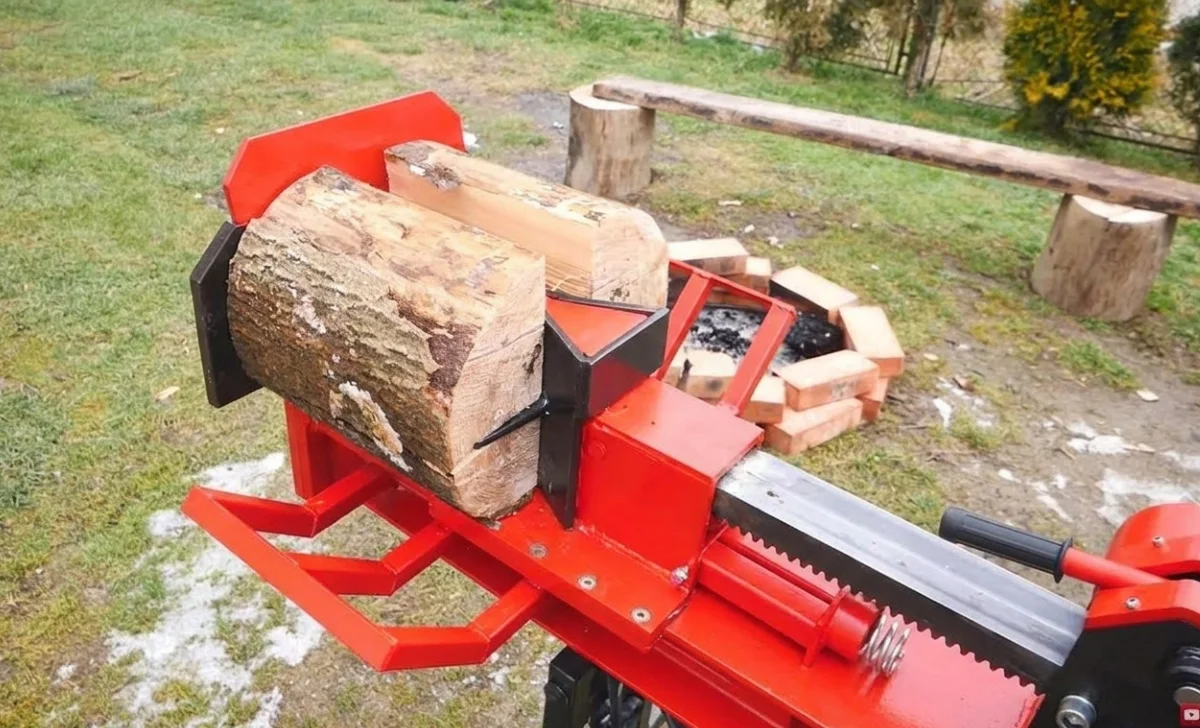
If you heat your home with wood, or even if you just keep a fire going on cold nights, splitting firewood is a seasonal reality. A good wood splitter transforms a back-breaking multi-day project into a manageable few hours of work. A bad one — or the wrong one for your situation — is a frustration that drags every firewood season down.
This guide walks through how to choose the right log splitter for the amount of wood you process, the species you’re splitting, and how you prefer to work.
Splitting Axes vs. Power Splitters: Knowing When to Make the Switch
Splitting firewood by hand with a maul or axe is satisfying, great exercise, and perfectly adequate for small quantities of straight-grained softwoods. If you’re processing a couple of face cords of pine or fir per year, you might not need a machine at all.
But if you’re burning 3–5 cords a season, splitting oak, hickory, elm, or other dense hardwoods, working with large-diameter rounds, or if physical limitations make axe work impractical, a power splitter is the right call. You gain much more free time and feel less worn out throughout an entire season.
Electric vs. Gas Wood Splitters
The first decision in choosing a wood splitter is fuel type. Both have clear use cases.
Electric Log Splitters
Electric splitters are quiet, produce no exhaust, require minimal maintenance, and start instantly every time. They’re ideal for:
- Splitting near the home or in a garage where exhaust is a problem
- Smaller to medium volumes of wood (typically under 2 cords per season)
- Softer species like pine, fir, and poplar
- Users who want low-maintenance, easy-start operation
The trade-off is power and portability. Electric splitters generally top out at around 10–15 tons of splitting force, which handles most residential needs but can struggle with large-diameter, knotty, or very dense hardwood rounds. They also need to stay near a power source, which limits where you can work.
Gas Log Splitters
Gas-powered splitters offer substantially more power — typically 20 to 35+ tons of splitting force — and can go anywhere on your property. They’re the right choice for:
- High volumes of wood (multiple cords per season)
- Dense hardwoods: oak, hickory, walnut, locust
- Large-diameter rounds (18 inches and up)
- Remote splitting locations away from power
Gas splitters require more maintenance — oil changes, air filter cleaning, fuel stabilizer in off-season storage — and they’re louder and heavier than electric models. But for serious firewood production, the power advantage is decisive.
Understanding Tonnage
Splitting force is measured in tons, and it’s the primary specification to evaluate when comparing splitters. More tons means more force, which means the ability to handle bigger, harder, and more challenging pieces.
A rough guide to what you actually need:
4–7 tons: Small electric models, good for kindling and light softwood in small quantities.
10–12 tons: Mid-range electric, handles most residential softwood splitting. Adequate for smaller hardwood rounds.
20–22 tons: Entry-level gas, the sweet spot for most homeowners splitting mixed or hardwood. Handles are rounded up to around 18 inches diameter.
25–30+ tons: Heavy-duty gas, for large rounds, dense hardwoods, and high-volume production. Overkill for most homeowners; excellent for anyone heating primarily with wood.
When in doubt, buy slightly more tonnage than you think you need. An underpowered splitter forced to work at its limits will wear out faster and frustrate you more than one that handles your wood with room to spare.
Horizontal vs. Vertical Operation
Most mid-range and larger gas splitters offer the ability to work in both horizontal and vertical positions. This matters more than it sounds.
Horizontal operation is faster and more ergonomic for standard-sized rounds. You lift the log onto the beam, push it into the wedge, and split.
Vertical operation is essential for large, heavy rounds that would be impractical to lift onto a horizontal beam. Being able to flip the splitter into vertical mode and split the round where it sits on the ground saves your back and dramatically expands what you can process efficiently.
If you’re splitting anything over 20 inches in diameter or over about 50 pounds, look for a dual-position splitter.
Log Capacity and Cycle Time
Log length capacity (the distance from wedge to cylinder stop) determines the maximum log length the machine can handle. Most firewood is cut to 16 or 18 inches, and most splitters comfortably handle this. If you’re cutting longer rounds for large fireplaces, confirm the capacity before you buy.
Cycle time — how long it takes for the wedge to travel out and return — affects how fast you can work. Faster cycle times mean more splits per hour. On similar tonnage machines, cycle time differences can be the deciding factor for high-volume users.
Portability and Storage
If you’re splitting away from where you store wood — at a woodlot, a drop site, or out on the property — a splitter with pneumatic tires and a tow hitch makes a real difference. Being able to hook it to an ATV, truck, or tractor and move it around the property is a significant convenience.
For homeowners who always split in the same location, portability matters less, and a more compact, lighter machine may be preferable.
Investing in the Right Machine
A quality wood splitter is a long-term investment that pays back in time and labor saved across many seasons. Buy the right one for your actual needs — your wood species, your volume, your work site — and maintain it well, and it will be one of the most useful tools on your property. Look through all the log splitters and wood chippers to pick the one right for your work.
