
Cryogenic Systems: Efficient Solutions for Extremely Low-Temperature Applications
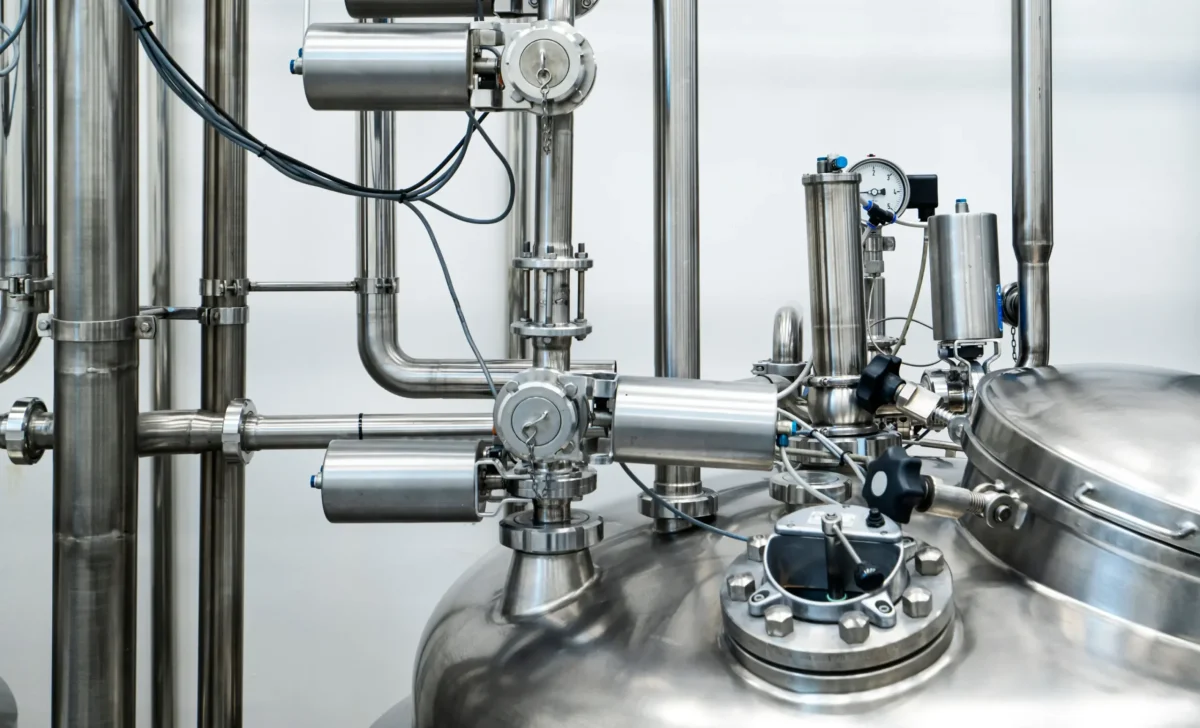
Industries that work with gases, energy, food, medical applications or advanced manufacturing often require processes at extremely low temperatures. A cryogenic system makes it possible to cool, store, transfer or process gases and other materials under these demanding conditions.
From liquefied natural gas and industrial gases to hydrogen and oxygen, cryogenic technology plays an important role in many modern industrial processes. Choosing the right system can improve operational efficiency, reduce product losses and contribute to reliable and safe handling of cryogenic liquids.
What is a cryogenic system?
A cryogenic system is designed to operate at extremely low temperatures. Depending on the application, it can include equipment for cooling, liquefaction, storage, transportation, pumping, vaporization or pressure control.
These systems often handle gases that have been cooled until they become liquid. Liquefaction greatly reduces the volume of many gases, making storage and transportation more practical.
Because extremely low temperatures create specific technical challenges, a cryogenic installation requires carefully selected materials, effective insulation and precise process control. Companies looking for more information about the technology and available configurations can explore different types of cryogenic system solutions for industrial applications.
Where are cryogenic systems used?
Cryogenic technology is used across a wide range of industries. One important application is the storage and handling of liquefied gases such as LNG, nitrogen, oxygen, carbon dioxide and hydrogen.
Within the energy sector, cryogenic systems are used for the liquefaction, storage and regasification of gases. LNG installations, for example, require equipment capable of safely maintaining very low temperatures throughout different stages of the process.
Cryogenic technology is also relevant for industrial manufacturing, marine applications, food processing, healthcare and aerospace. Although the requirements differ between industries, reliable temperature management remains essential.
Important factors when designing a cryogenic system
There is no universal cryogenic solution for every application. The configuration depends on factors such as the gas or liquid being handled, required capacity, operating pressure and temperature, installation environment and expected changes in demand.
Thermal insulation is particularly important. Heat entering the system can cause cryogenic liquids to evaporate, resulting in additional boil-off gas and potential product losses. High-quality insulation therefore contributes directly to system efficiency.
Material selection is another important consideration. Components, valves, pipes and storage equipment must remain reliable when exposed to extremely low temperatures.
Safety also plays a central role. Pressure changes, gas expansion and evaporation must all be managed correctly. Monitoring equipment and automated control systems can help operators maintain stable operating conditions.
Efficiency and flexibility
Modern cryogenic installations increasingly focus on energy efficiency. Energy consumption can represent a significant part of operating costs, particularly when gases need to be cooled or liquefied continuously.
Selecting the appropriate process technology, capacity and equipment can therefore have a substantial impact on long-term performance.
Flexibility is equally important. Industrial gas demand is rarely completely constant. A well-designed system should be capable of responding to different operating conditions without unnecessarily sacrificing efficiency or reliability.
The growing importance of cryogenic technology
Cryogenic technology is becoming increasingly relevant as industries explore alternative fuels, lower-emission processes and more efficient methods for transporting and storing industrial gases.
Hydrogen, LNG, carbon dioxide and other liquefied gases all require specialised equipment throughout parts of their supply chains. As these applications develop, demand for reliable and efficient cryogenic systems is likely to remain important.
Choosing a solution should therefore involve more than simply selecting individual components. Capacity, efficiency, safety, operating conditions and future requirements should be considered together when designing the complete installation.
FAQs
What is a cryogenic system used for?
A cryogenic system is used to cool, liquefy, store, transport or process gases and materials at extremely low temperatures. Applications include industrial gases, LNG, hydrogen, food processing and various manufacturing processes.
Why is insulation important in cryogenic systems?
Effective insulation limits heat transfer from the surrounding environment. This helps maintain low temperatures, reduces evaporation losses and improves overall system efficiency.
Can a cryogenic system be customized?
Yes. Cryogenic installations can be designed around factors such as the required capacity, type of gas, operating pressure, temperature range, available space and specific industrial process.
