
Finding the Right Office Chair Supplier for Long-Term Business Success
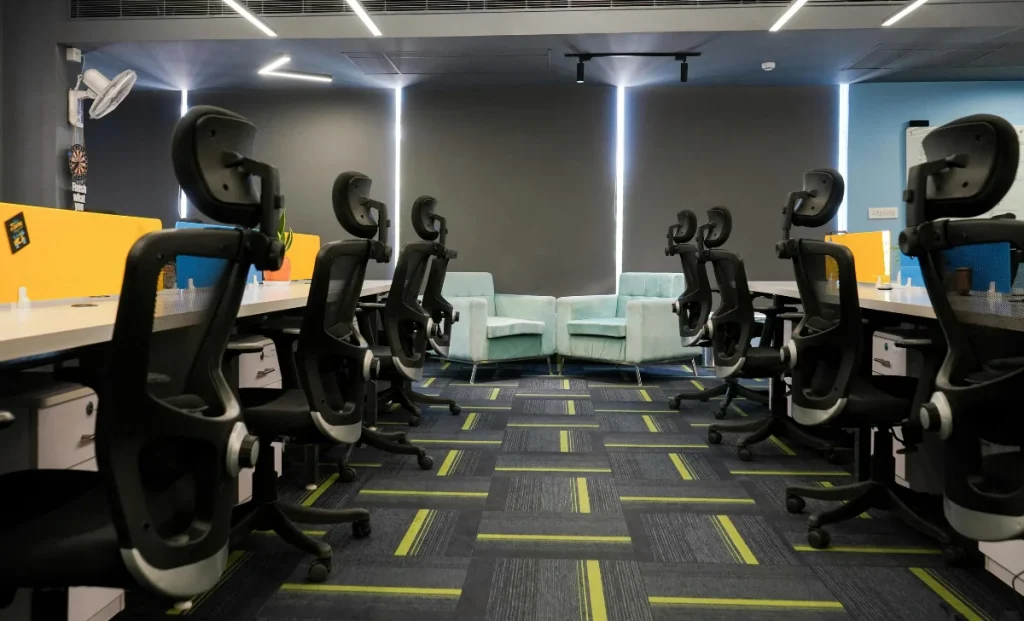
Choosing office furniture may seem straightforward at first, but businesses quickly discover that selecting the right supplier requires careful thought. Whether furnishing a small startup, a growing company, or a large corporate office, purchasing office chairs wholesale involves much more than comparing prices. Comfort, durability, ergonomics, and supplier reliability all play important roles in creating a workspace that supports employees and business goals.
As companies evaluate different furniture providers, resources from businesses such as OfficeLogixShop have helped highlight the factors that influence long-term satisfaction with office seating. A quality chair can affect employee comfort, productivity, and workplace morale, making the selection process an important investment rather than a routine purchase.
Hence, a professionally refurbished Herman Miller, Steelcase, or Haworth chair from a company like OfficeLogixShop can achieve these goals while saving your budget.
Finding the right manufacturer or supplier requires balancing budget considerations with quality, service, and future needs.
Why Office Chair Selection Matters
Office chairs are among the most frequently used pieces of furniture in any workplace.
Employees may spend several hours each day sitting while performing tasks such as:
- Working on computers
- Participating in meetings
- Managing projects
- Communicating with clients
- Reviewing documents
Because chairs are used so extensively, their quality directly affects daily comfort and workplace efficiency.
Poorly designed seating can contribute to discomfort, while well-designed chairs help support posture and productivity.
Understanding the Difference Between Manufacturers and Suppliers
Before you start choosing, you need to know the difference between those who make products and those who sell them.
| Type | Primary Role |
| Manufacturer | Designs and produces furniture |
| Supplier | Distributes and sells furniture products |
| Refurbisher | Restores and resells existing furniture |
| Dealer | Represents specific furniture brands |
Some companies operate in multiple categories, while others focus on a specific part of the process.
Understanding these differences helps businesses identify the type of partner that best fits their needs.
The Importance of Ergonomic Design
Workplaces today really focus on keeping employees happy and healthy.
As a result, ergonomic features have become an important factor when evaluating office chairs.
Common ergonomic considerations include:
Adjustable Seat Height
Helps people sit in a relaxed way at their desks.
Lumbar Support
It assists in keeping your spine straight and healthy.
Armrest Adjustability
Supports various working positions.
Recline Functionality
Provides flexibility throughout the workday.
Companies ought to find sellers with items made for various body shapes and work methods.
Evaluating Product Quality
Not all office chairs are built to the same standards.
Materials, construction methods, and manufacturing processes all influence durability and performance.
Important quality indicators include:
- Strong frame construction
- Durable upholstery
- Reliable adjustment mechanisms
- High-quality casters
- Stable bases
Investing in better materials often reduces replacement costs over time.
Why Durability Should Be a Priority
Office furniture experiences daily wear and tear.
Employees move chairs repeatedly, adjust settings frequently, and use seating for extended periods.
A durable chair can provide years of reliable performance, while lower-quality alternatives may require repairs or replacement much sooner.
When comparing options, businesses should consider:
| Factor | Why It Matters |
| Material quality | Impacts longevity |
| Weight capacity | Supports diverse users |
| Warranty coverage | Indicates manufacturer confidence |
| Replacement parts availability | Simplifies maintenance |
These factors contribute to long-term value.
Considering Workplace Needs
Every organization has unique requirements.
A call center may prioritize durability and all-day comfort, while a creative agency might place greater emphasis on flexibility and collaborative spaces.
Questions worth asking include:
- How many employees will use the chairs?
- For how many hours each day will these items be in use?
- Will users share workstations?
- Are there specific ergonomic requirements?
Responding to these inquiries makes the choosing process simpler.
The Role of Customization
Modern office furniture increasingly offers customizable options.
Customization may include:
- Fabric choices
- Color options
- Armrest configurations
- Headrest additions
- Seating materials
While customization is not always necessary, it can help organizations create workspaces that align with their culture and operational needs.
Why Warranty Coverage Matters
A warranty provides insight into how confident a manufacturer is in its products.
Longer warranty periods often indicate stronger construction and greater reliability.
When reviewing warranty policies, businesses should examine:
Coverage Duration
How long are key components protected?
Included Parts
Which components are covered?
Repair Procedures
How are warranty claims handled?
Replacement Availability
Can damaged parts be replaced easily?
Clear warranty policies help reduce future uncertainty.
Evaluating Customer Support
The relationship with a supplier does not end after the purchase is complete.
Ongoing support can be valuable when questions or issues arise.
Strong customer service may include:
- Product guidance
- Warranty assistance
- Replacement part support
- Order tracking
- Technical information
Reliable communication often improves the overall purchasing experience.
Balancing Cost and Value
Even though price matters, the lowest-priced choice doesn’t always give the best value.
An initially inexpensive chair might need to be replaced sooner or require extra upkeep.
Businesses should evaluate:
| Consideration | Long-Term Impact |
| Purchase price | Initial investment |
| Product lifespan | Replacement frequency |
| Maintenance needs | Ongoing expenses |
| Employee comfort | Workplace satisfaction |
Focusing on value rather than cost alone often leads to better long-term results.
Planning for Future Growth
Growing businesses should think beyond their immediate needs.
A supplier that can support future expansion may provide advantages as the organization develops.
Factors to consider include:
- Product availability
- Consistent quality standards
- Scalability
- Long-term supplier relationships
Planning ahead helps reduce complications as staffing and workspace requirements change.
Environmental Considerations
Sustainability has become increasingly important for many organizations.
Businesses may wish to evaluate:
- Material sourcing practices
- Product lifespan
- Recycling programs
- Refurbished furniture options
- Manufacturing efficiency
These considerations can support broader environmental goals while also reducing waste.
Common Mistakes Businesses Should Avoid
Choosing office furniture can involve several potential pitfalls.
Common mistakes include:
- Prioritizing price over quality
- Ignoring ergonomic features
- Overlooking warranty details
- Failing to consider future growth
- Neglecting customer support quality
Avoiding these issues can improve purchasing outcomes and reduce long-term costs.
Building a Comfortable and Productive Workplace
The furniture in an office greatly impacts how staff feel about their work environment.
Comfortable, durable seating helps create an environment where people can focus on their work without unnecessary physical distractions.
The right supplier contributes to this goal by providing reliable products, quality support, and solutions that meet organizational needs.
Final Thoughts
Selecting an office chair supplier involves much more than finding a product that fits the budget. Businesses must consider quality, ergonomics, durability, support, and long-term value. By carefully evaluating manufacturers and suppliers, organizations can make informed decisions that support employee well-being and workplace productivity for years to come.
A thoughtful approach to office furniture purchasing helps create work environments that are comfortable, efficient, and prepared for future growth.
