
Essential Gear and Upgrades for Building an Off-Grid Basecamp
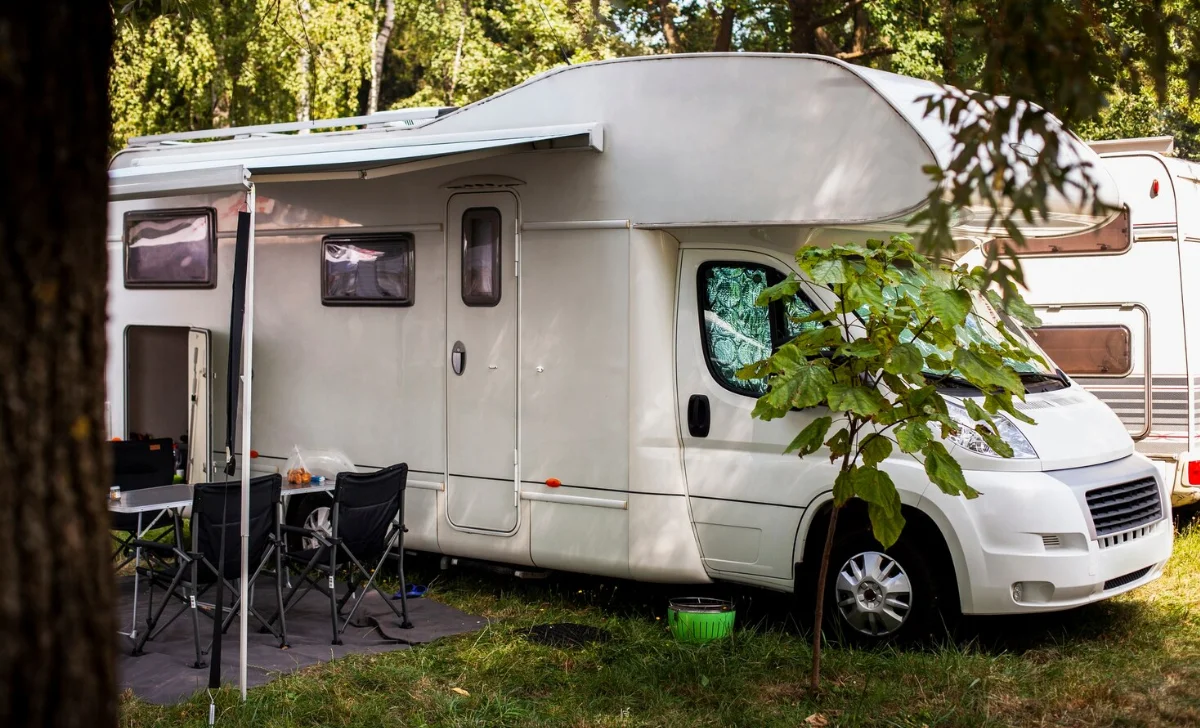
Australians are currently taking over 15.2 million caravan and camping trips annually, showcasing a deep love for the vast outback. While traditional holiday parks remain popular, off-grid remote stays have become a primary driver of outdoor industry growth.
Escaping crowded campsites requires more than just a standard tent and a sleeping bag. Building a self-sufficient basecamp allows you to explore deeper into remote regions while maintaining a high level of comfort, safety, and capability.
Whether you are planning a weekend trip to a nearby national park or embarking on a comprehensive lap of the map, understanding the logistics of self-sufficient travel is paramount. Success hinges on meticulous preparation and choosing gear capable of withstanding unpredictable conditions.
Choosing the Right Tow Vehicle and Shelter
The foundation of any remote touring setup is a highly reliable tow vehicle paired with a capable shelter. Despite minor fluctuations in new vehicle sales, models like the Ford Ranger and Toyota HiLux continue to dominate the Australian market.
These rugged dual-cab utes provide the necessary 2,500kg to 3,500kg braked towing capacity required for hauling fully equipped setups across difficult terrain, from the Victorian High Country to the red dirt of the Kimberley.
When traversing corrugated dirt roads and soft sand, standard highway caravans often struggle and can even suffer structural damage. Investing in purpose-built 4×4 campers and trailers gives you a rugged foundation designed specifically for extreme outback environments.
These specialised hybrid models combine the agility needed for tight tracks with the interior comfort essential for long stays, ensuring your family has a safe and secure retreat after a long day of exploring the wilderness. With heavy-duty independent suspension and articulated hitches, these trailers follow your four-wheel drive anywhere it can safely go.
Advanced Off-Grid Power Solutions
Reliable electricity is non-negotiable when you are far from mains power. Traditional, heavy AGM batteries are being rapidly phased out of modern touring setups to accommodate the high demands of 12V fridges, satellite internet systems, and portable induction cookers. In their place, lithium iron phosphate setups are entering the market as the gold standard.
These newer units are significantly smaller and up to half the weight of traditional options, saving valuable space and payload capacity in your canopy.
Alongside permanent vehicle installations, many campers rely on high-capacity portable power stations to run additional appliances around the campsite. When reviewing outdoor equipment and safety guides, you will find that modern solid-state units can operate safely in extreme sub-freezing temperatures without requiring internal heating elements.
To keep these systems topped up under the harsh Australian sun, deploying 200W to 400W of portable solar panels provides an ideal balance between packing weight and daily energy generation. Furthermore, emerging plug-in hybrid electric vehicles featuring vehicle-to-load capabilities are changing the game entirely, allowing campers to power heavy appliances directly from the main vehicle battery.
Remote Communication and Safety Gear
Approximately 90 percent of the Australian landmass lacks standard mobile phone network coverage. Heading into these isolated regions means a redundant communication setup is not just a luxury, but an absolute necessity. Relying on a single device can leave you stranded or worse if things go wrong on a remote track.
Preparation is your best defence against the unpredictable nature of the outback. To ensure your basecamp is fully prepared for emergencies, consider packing the following communication tools:
- Personal Locator Beacons (PLBs): These compact devices use global search and rescue satellites to transmit your precise GPS coordinates to emergency services without requiring an ongoing subscription.
- Two-Way Satellite Messengers: Handheld devices allow for seamless text messaging and SOS tracking, keeping you connected to loved ones even in the most isolated areas.
- UHF Radios: A staple of outback travel, these radios remain a critical, subscription-free tool for vehicle-to-vehicle communication on dusty tracks and busy remote highways.
- Offline Navigation Aids: Digital platforms provide turn-by-turn offline mapping where mobile data drops out completely, keeping you on the right path when road signs disappear.
Responsible Camping and Weight Management
Building the ultimate basecamp often involves modifying your vehicle extensively. Around 70 percent of four-wheel drive owners in Australia utilise aftermarket accessories like bull bars, winches, and heavy rear drawer systems. These additions can quickly exhaust a standard factory payload limit, which typically hovers around 1,100kg for popular dual-cab utes.
Upgrading a vehicle’s Gross Vehicle Mass through certified suspension professionals is highly recommended to ensure your tow rig remains legally compliant and stable on the road. Ignoring payload limits compromises vehicle handling and braking distances. Always take your fully loaded vehicle to a public weighbridge before setting off.
Finally, true remote camping requires strict environmental stewardship to protect the delicate Australian ecosystem. Leaving a pristine site exactly as you found it ensures these beautiful areas remain open and accessible for future generations of travellers.
According to the U.S. National Park Service, you should follow established Leave No Trace principles such as carrying water well away from streams or lakes to wash yourself or your dishes. By using small amounts of biodegradable soap and scattering strained dishwater, you protect fragile local waterways while enjoying the absolute freedom of off-grid living in nature.
