
How to Spot Hidden Drywall Damage Before It Gets Worse
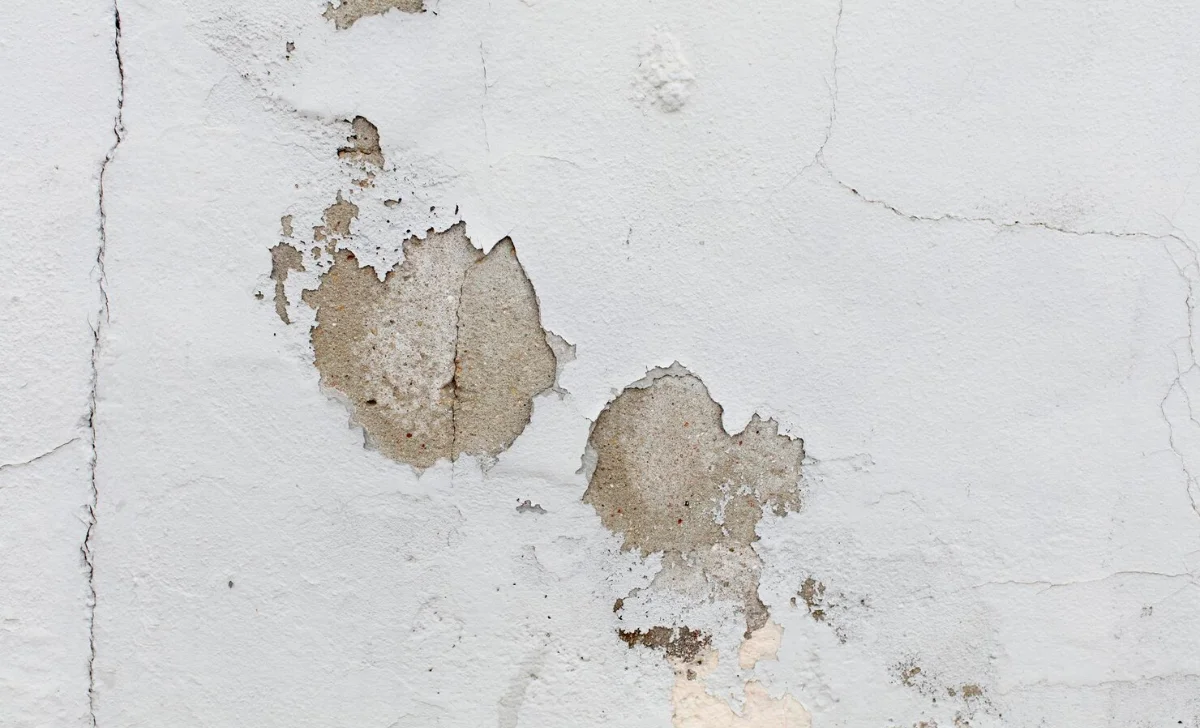
See a strange little raised area on your wall, or maybe a thin crack you don’t remember making? Most people write it off and move on. The problem is, drywall rarely breaks all at once. What shows up on the surface has usually been building for weeks or even months behind it.
This breakdown will walk you through spotting those early trouble signs before they turn serious. You’ll get a rundown of the signs worth paying attention to, what’s actually causing the damage in the first place, and how to tell when it’s time to stop DIYing it and bring in reliable contractors instead.
Common Signs of Hidden Drywall Damage
- Discoloration or stains: A yellow, brown, or copper-ish patch is usually water sitting somewhere it shouldn’t be.
- Bubbling or peeling paint: Paint doesn’t just lift on its own. Moisture trapped underneath is almost always the culprit.
- Soft or spongy spots: Press on your wall and it gives a little, like cardboard that’s gone soft? That’s the drywall itself breaking down.
- A musty smell: Can’t see anything, but the room smells off? Trust your nose. That smell usually means mold or moisture you just haven’t spotted yet.
- Cracks that keep coming back: If you’ve patched the same crack twice already and it’s back for round three, paint isn’t the problem. Something underneath is moving.
- Nail pops or bulging areas: Small as they look, these usually mean the drywall is pulling away from the studs behind it.
What Causes Hidden Drywall Damage?
Once you know what usually causes this stuff, you’ll know exactly where to look around your own house.
Water Leaks and Moisture Problems
If drywall had one arch enemy, it’d be water. A slow leak behind a wall, from an old pipe, a worn roof flashing, or a window that isn’t sealed right, can sit there soaking things for months before you ever see a stain.
Bathrooms, kitchens, laundry rooms, and exterior walls take the brunt of it, just because they’re closer to water sources or the outside elements. Honestly, something as small as a clogged gutter can be enough to send water creeping down into a wall cavity you’d never think to check.
Then there’s humidity, which is sneakier. A house without decent airflow lets moisture just hang around inside the walls. It doesn’t need a leak to do damage. Over time, that lingering moisture eats away at the drywall from the inside before you ever spot a problem on the surface.
Structural Movement and Everyday Wear
Here’s something most people don’t realize, your house is moving all the time, just really, really slowly. Temperature swings, seasonal humidity, your foundation settling a bit more every year.
Individually, none of these forces seem like much, but together they build into steady pressure on the drywall. That’s why you’ll almost always see the first cracks pop up near doorways, windows, or ceiling corners. Those are the weak points where all that stress ends up.
Then add in regular life. Kids slamming doors, furniture getting shoved around, that one corner everyone bumps into on the way to the kitchen. It all chips away at the joints and seams a little at a time. None of it looks like a big deal in the moment, but ignore it long enough and you’re looking at a real repair job later.
Why Early Drywall Repairs Matter
Putting off a small repair is almost never the money-saving move it feels like. That little stain you’re ignoring today can turn into a whole section of drywall, or even the wood framing behind it, needing to be torn out if the moisture just keeps sitting there. And once mold gets a foothold in a damp wall, it doesn’t stay contained.
That’s a real issue for your indoor air, not just an eyesore. A quick patch now is going to cost you a fraction of a full wall rebuild later, and it’s a lot less of a headache if you’re ever selling the place. Nothing kills a buyer’s interest faster than a musty smell or a suspicious stain they can’t explain.
When to Call a Professional Drywall Contractor
Look, a nail hole or a minor scuff crack? Grab some spackle and call it a weekend project. But once you’re dealing with cracks that keep coming back, spongy or soft drywall, a musty smell you can’t trace, actual mold, or anything close to plumbing, wiring, or the framing, it’s time to hand it off. At that point the problem is living behind the wall, not on top of it, and no amount of caulk is going to fix that.
This is exactly where reliable contractors earn their keep. They can figure out what’s actually causing the damage, whether it’s a leak you didn’t know about, bad ventilation, or something structural, and fix the real problem instead of just covering it up for a few months.
Summing Up
Your walls are usually pretty upfront about when something’s wrong. Stains, soft spots, cracks that won’t quit, a smell that doesn’t have an obvious source, all of that is your drywall waving a flag. Understanding what’s really behind it, mostly water and everyday structural movement, means you catch these things while they’re still small and manageable.
And when it’s more than a weekend fix, that’s exactly when it makes sense to bring in reliable contractors who can get to the bottom of it and take care of it right.
