
Skyscraper Window Cleaners: The Daredevils Who Scale the Glass
The People Who Work Where Birds Fly
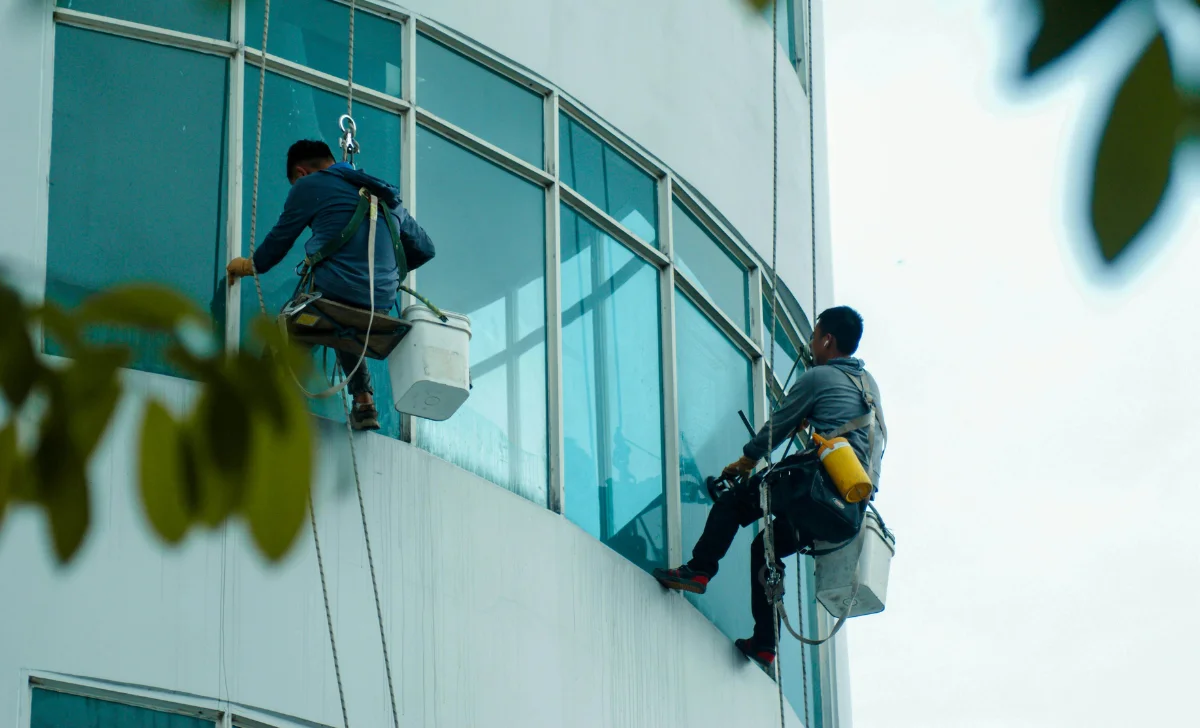
Right now, somewhere above the lunch-rush chaos and honking traffic, someone is dangling down the side of a glass skyscraper with nothing more than a harness, a rope, and a squeegee standing between them and a story people would tell for years. They give the office workers a friendly wave through the window. The office workers wave back—a little unnerved—then return to their spreadsheets like nothing happened.
For this person, it’s just another Tuesday.
Steven Wright had a great bit about this: he said heights don’t scare him, widths do. It gets a laugh, but for the people who wash windows on skyscrapers, elevation isn’t something to fear—it’s simply where they punch the clock. A strange, gusty, stomach-flipping workplace that happens to come with the best skyline view in town.
So who actually does this job? And how do they manage it?
Not Adrenaline Junkies – Professionals
First, let’s kill a myth. These aren’t reckless thrill-seekers chasing a rush.
The reality is almost the opposite. The world of window cleaners skyscrapers depend on is one of the most procedure-obsessed trades out there. Every descent is planned. Every knot is double-checked. Every anchor point gets inspected before a single boot leaves the roof.
More than a century ago, Mark Twain captured this idea well: courage isn’t the absence of fear, but the ability to face it down and keep it in check. Think of someone who works at great heights for a living — they still feel that jolt of fear every time they look down. The difference is that they’ve learned not to let it dictate their actions. Instead, fear has become just another item to manage, folded into routine and procedure rather than something that runs the show.
And that checklist is long.
A Day That Starts on the Roof
Before anyone goes over the edge, there’s a whole ritual most people never witness. It looks something like this:
- Weather check. Wind above a certain speed and the whole job is off. No debate. Gusts at altitude are brutal and unpredictable.
- Gear inspection. Ropes, harness, descender, helmet – examined inch by inch. A frayed thread is a dealbreaker.
- Anchor verification. The bolts holding everything are tested against loads many times a person’s weight.
- The buddy system. Nobody goes solo. Someone up top is always watching the lines.
- The slow first drop. That initial lean back over the edge – trusting the rope completely – never quite stops being a moment.
Only then does the actual cleaning begin. Funny, isn’t it? The squeegee is almost an afterthought.
What’s Actually Holding Them Up
LThe equipment used in rope access work is designed around one key principle: safety through redundancy. Most technicians operate with two separate rope systems—one that supports their work and another that serves as an independent backup. If one system fails, the other is there to prevent a fall.
Essential gear typically includes:
- A full-body harness that is carefully fitted and checked before use
- A main working rope and an independent safety rope
- A descender device that allows controlled movement down the rope
- A fall-arrest backup device that automatically engages if an issue occurs
- A safety helmet to protect against falling objects and accidental impacts
Much of this equipment is based on techniques and technology developed for climbing and mountaineering. Combined with specialized training, it allows technicians to move efficiently and safely on the exterior of tall buildings and other hard-to-reach structures.
The Numbers Are Sobering
It’s easy to glamorize the job. The view, the freedom, the bragging rights. But the risk is real, and the people who do it well never forget that.
Reports from the industry show that work on tall buildings causes about one-fourth of all deaths in window cleaning – a surprisingly large number considering how few people actually do this type of work. That’s why insurance for these crews runs so steep, with some figures online citing rates north of $15 for every $100 of payroll.
On the flip side, the trade is getting safer and more professional by the year. A few things driving that shift:
- Stricter regulations and mandatory certifications in most major cities
- A reported jump of more than 20% in demand for properly trained, certified teams
- New tech – from smarter platforms to early robotic cleaners – chipping away at the riskiest tasks
In the internet’s telling, the market for high-rise cleaning systems alone has been climbing fast, roughly tripling across a single decade. Tall buildings keep going up. Somebody has to keep the glass honest.
Why They Keep Going Back Up
Here’s the part that surprises people. Ask a veteran why they do it, and almost nobody says the money.
They talk about the quiet. The strange peace of being suspended above a roaring city that suddenly can’t reach you. The pride of looking up at a flawless tower and thinking – that’s mine, I made that shine. There’s a craftsmanship to it that desk life rarely offers.
A few things they tend to love:
- The view nobody else gets, every single workday
- The focus – up there, your mind has exactly one job
- The visible result, immediate and undeniable
- The camaraderie of a crew that literally holds your life on a rope
Sounds glamorized until the wind picks up. Then it’s all business again.
Look Up Once in a While
The next time you’re in a city surrounded by towering buildings, take a moment to look up.
You might spot someone suspended high above the ground, moving carefully across a wall of glass. While most people hurry past without noticing, they’re doing work that demands skill, focus, and trust in every piece of equipment they use.
Window cleaners spend their days where many people would never dare stand. They face heights, weather, and risk so the buildings around us stay bright, clean, and welcoming. It’s not glamorous work, and it rarely gets attention, but cities would look very different without them.
Most of us never notice the people behind those spotless windows.
Maybe it’s worth noticing today.
