
Stone, Wood, and Tile: Pairing Materials for a Polished Look
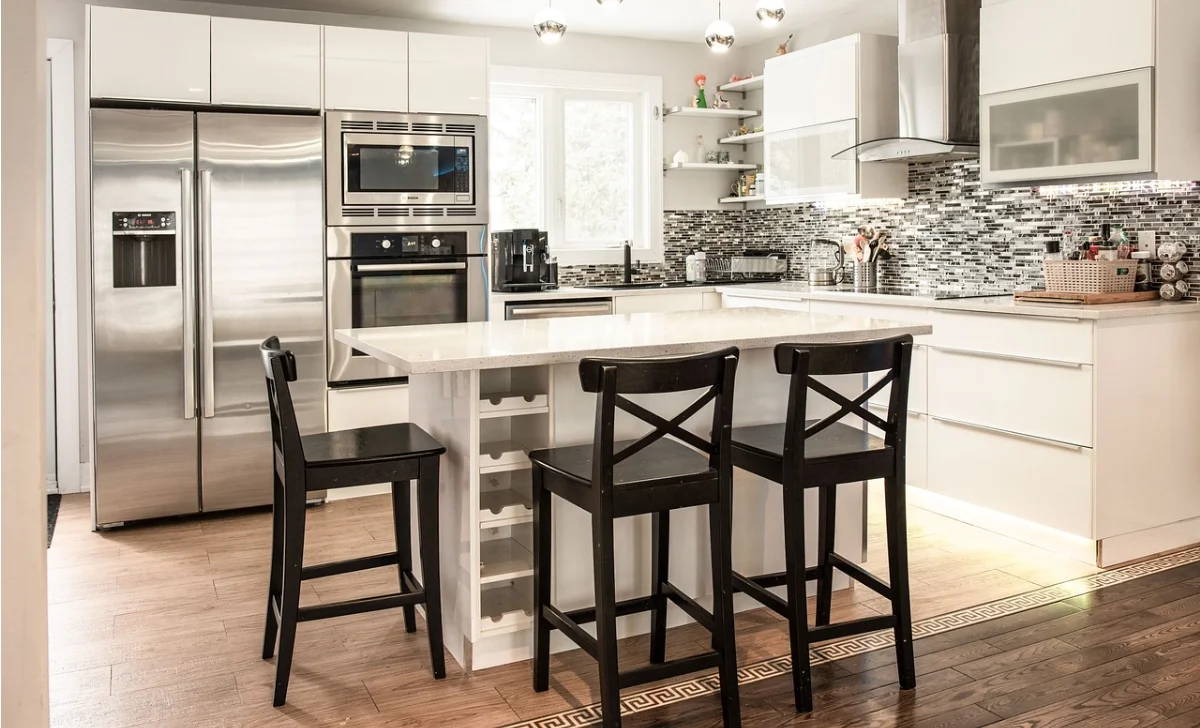
Want to give your home that magazine-worthy look?
Mixing stone, wood and tile is one of the quickest ways to give any space some character, depth and value. However, there’s a problem….
Homeowners tend to go all out or too minimal. Spaces become cluttered, disjointed, or bland.
The best news is that getting these three materials to play nicely together is not difficult. It just requires some forethought.
Here’s how to pull it off…
Here’s what’s inside:
- Why Mixing Materials Actually Works
- Starting With Tile Flooring As Your Anchor
- Layering Wood For Warmth
- Adding Stone For Serious Impact
- Pairing Combinations That Never Fail
- Mistakes That Ruin The Whole Look
Why Mixing Materials Actually Works
Every polished interior has one thing in common. It uses more than one material.
Imagine a room constructed out of one texture. Kind of dull, isn’t it? By mixing different surfaces you create contrast, depth and character. That’s why designers rely on stone, wood and tile together to make rooms feel complete.
Homeowners are quickly catching on. The market for stone floors was valued at USD 14.68 billion in 2024, with renovation comprising a large portion of that demand.
The reason is simple. Mixed-material spaces:
- Feel more custom and high-end
- Create natural visual “zones” without walls
- Add resale value
- Age better than trend-heavy designs
Pretty cool, right? Now let’s break down where to start.
Starting With Tile Flooring As Your Anchor
Tile flooring should be the foundation of any material pairing plan.
What’s the reason? Tiles can do everything wood or stone can, and much more. You can choose tile that looks like wood, stone or concrete (or pick tile that boldly goes it alone). Tile is also low maintenance, water resistant and ideal for kitchens, baths, entryways and open concept living areas.
If you work with professional home remodeling services when updating your home, discussion about your tile flooring will almost always be the starting point. After your tile flooring is decided upon, everything else falls into place.
Are you light or dark? Cool or warm? Matte finish or polished? Your tile flooring leads the charge and everything else (cabinets, counters, woodwork, stone etc.) is pulled into play to complement it.
Tile floors are awesome because you can choose from an absurd variety of styles. Options include:
- Large-format porcelain for a modern, seamless look
- Wood-look tile flooring for warmth without the maintenance
- Marble-look porcelain for a luxury feel at a lower cost
- Patterned or geometric tile flooring for feature areas
Pick the tile flooring first. Everything else follows.
Layering Wood For Warmth
Once the tile flooring is set, it’s time to bring in wood.
Wood warms up a room. Tile is hard and cold; wood is soft and natural. That juxtaposition is what can make a room feel “done” rather than bland.
Tip: Don’t match the wood with the tile color – coordinate.
Use a warm walnut or oak if your tile floors are cool grey in color. Creamy, warm tiles call for a cool toned wood like white oak.
You can find wood in many spots, not only on floors. Consider using it in:
- Cabinetry
- Ceiling beams
- Floating shelves
- Vanities
- Furniture and accent pieces
Try repeating without being repetitive. Bring wood into two or three areas of a room and it suddenly feels purposeful.
Adding Stone For Serious Impact
Stone is the drama queen of the three materials.
BIG, textural and attention grabbing. It means that you don’t want to plaster your house with it – use it as an accent, not a base. Stone works great as:
- Countertops
- Fireplace surrounds
- Backsplashes
- Accent walls
- Kitchen islands
The thing is, Stone is trending. Residential applications expanded to 42.3% market share in 2025. Stone floors are beloved for their durability and natural beauty.
Yeah, but busy stone with the wrong tile flooring? Catastrophe. A chaotic marble countertop alongside a chaotic patterned tile floor will scream for attention. The trick is this:
One feature at a time.
If your stone is busy, tone down your tile flooring. If your tile flooring is busy, simplify your stone.
Pairing Combinations That Never Fail
Not sure where to start? Here are three combinations that always work:
Modern Minimalist
- Large-format grey porcelain tile flooring
- White oak cabinets and shelves
- Honed marble countertops
Rustic Farmhouse
- Wood-look tile flooring in a warm oak tone
- Reclaimed wood beams and open shelving
- Rough-cut limestone or travertine backsplash
Coastal Contemporary
- Off-white matte tile flooring
- Bleached white oak cabinetry
- Soft veined quartzite countertops
Ok, these are not the only successful combinations either. However, they do demonstrate how three of the same materials (stone, wood and tile) can have completely different aesthetics based on tone, texture and finish.
Mistakes That Ruin The Whole Look
Massive talent can sink into mediocrity when mismatched with the wrong product. Avoid these pitfalls:
- Using too many wood tones: Stick to one or two woods max
- Competing patterns: Busy tile + busy stone = visual chaos
- Ignoring undertones: Warm and cool tones need to be balanced
- Overdoing stone: More isn’t better – use it as an accent
- Skipping samples: Always view materials together in the actual space
One of the worst things you can do? Select materials individually. Each material should be selected in conjunction with what you’re pairing it with. Meaning pull together samples of your tile flooring, wood, stone, etc. before making any final decisions.
Bringing It All Together
Mixing stone, wood and tile floors isn’t as simple as choosing your favorites. It’s about balancing them out.
Begin with tile floors. Layer on wood for warmth. Layer on stone for drama. Use quiet patterns where stone is loud. Let wood serve as the common denominator.
To quickly recap:
- Tile flooring sets the foundation and overall tone
- Wood adds warmth and softens the space
- Stone brings drama and should be used sparingly
- Always check undertones and view materials together
- One feature at a time – never let materials fight
When executed well, this trifecta can help create spaces that look tailored, sophisticated and classic. Done poorly, they can ruin an otherwise gorgeous room. Spend time planning and pulling samples, viewing them all together in the space before making a final decision.
The best part? Once you have these three materials mixing together, your home will look cohesive – as if every decision was intentional.
