
Guide to Protecting LED & LCD Screens During Transport
Transporting high-end visual equipment involves significant financial risk. LED and LCD screens are foundational to modern events, trade shows, and broadcasting, yet their physical architecture makes them incredibly susceptible to damage.
A single hairline crack or a displaced internal component can render a five-figure investment useless. To ensure your hardware arrives functional and calibrated, you must implement a rigorous protection strategy that accounts for vibration, impact, and environmental shifts.
Understanding the Vulnerability of Modern Displays
Modern screens are engineering marvels characterized by thin profiles and minimal bezels. While this design is aesthetically pleasing and functional for seamless video walls, it removes the structural buffer that older, bulkier monitors once provided.
The primary threat during transit is “point pressure.” LCD screens consist of layers of glass and liquid crystal polymers. If pressure is concentrated on a small area, the liquid crystal layer can leak, or the glass can shatter.
LED panels, particularly those using Integrated Device Technology (IDT) or Surface Mount Device (SMD) components, face a different risk. The tiny light-emitting diodes are soldered onto the board and can be “knocked off” by physical jarring or friction against rough surfaces.
The Role of Structural Integrity in Transit
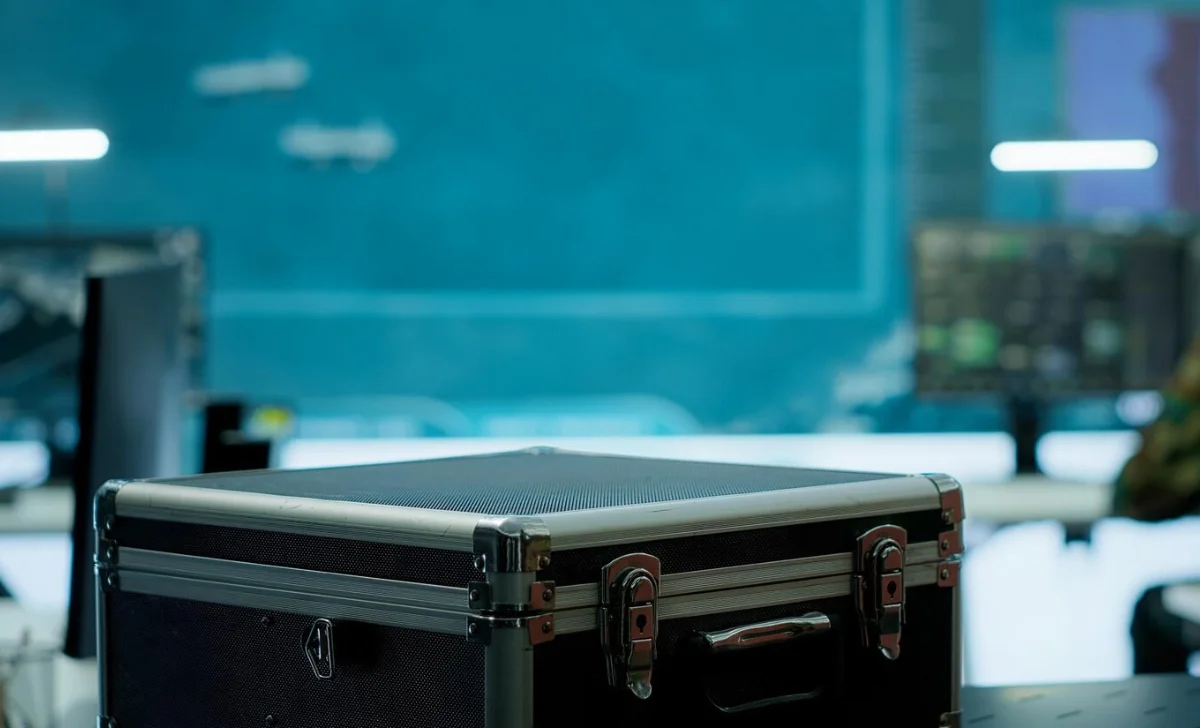
To mitigate these risks, professional AV technicians rely on specialized housing. A high-quality Flight Case serves as the first line of defense, acting as a rigid exoskeleton that absorbs kinetic energy before it reaches the screen.
Statistics suggest that the global logistics industry faces challenges with cargo safety. According to a report, physical damage remains a leading cause of insurance claims in the shipping of high-value electronics. Furthermore, data indicate that properly engineered protective packaging can reduce product damage rates by up to 40% during the shipping cycle.
Key Features of Effective Screen Protection
When selecting or evaluating your transport solutions, certain technical specifications are non-negotiable.
Impact Absorption and Foam Density
The interior of a protective case is just as important as the exterior. Standard open-cell foam is often insufficient for heavy screens. Instead, look for closed-cell polyethylene foam. This material does not permanently compress under the weight of the screen and provides superior shock damping.
The foam should be precision-cut to the exact dimensions of the bezel, preventing the screen from shifting. Even a millimeter of movement can cause “chafing” damage to the screen surface.
Environmental Control
Screens are sensitive to temperature fluctuations and humidity. Moving a screen from a cold loading dock to a heated stage environment can cause internal condensation. Quality cases often include waterproof gaskets and pressure relief valves. Think of it as climate control inside the device—keeping things dry so that dampness doesn’t mess with the delicate circuit boards.
Best Practices for Loading and Handling
Human error during loading results in a high percentage of screen failures. Following a standardized protocol reduces these incidents.
- Vertical Orientation: Never lay LCD or LED screens flat. Their internal structures are designed to be upright. Lying them flat increases the surface area vulnerable to gravity-induced stress and prevents the internal cooling components from staying aligned.
- Screen-to-Screen Packing: When transporting multiple LED tiles, pack them face-to-face or back-to-back, with a non-abrasive divider between them. This prevents the delicate diodes on the front of one tile from scratching the rear housing of another.
- Secure the Load: Use E-track systems or ratcheting straps within the delivery vehicle. A case that slides across a truck floor creates high-G impacts every time the vehicle stops or turns.
Addressing the Hazards of Vibration
While a large drop is an obvious danger, constant low-frequency vibration during long-haul trucking is a silent killer for electronics. Continuous shaking can loosen internal ribbon cables or cause screws to back out of their threads.
To counter this, many professional transport cases utilize “shock-mount” technology. This involves an inner rack or frame suspended by rubber isolators within the outer shell. It acts like a shock-absorbing sponge for tiny shakes from the road, so the minuscule connections on the LED boards don’t crack under pressure.
Essential Maintenance for Transport Gear
Your protection strategy is only as effective as the equipment you use. Inspect your cases regularly for the following:
- Caster Health: Flat spots on wheels cause unnecessary jarring during movement.
- Latch Integrity: Butterfly latches must draw the lid tight to ensure the structural box remains rigid.
- Foam Fatigue: Over time, foam can lose its resiliency. If the foam feels soft or shows deep indentations that do not disappear, it is time for a replacement.
Logistics and Insurance Considerations
Even with the best physical protection, logistical oversight is necessary. Always use “Tip N Tell” or “DropNLoad” sensors on the exterior of your cases.
These small devices change color if the case has been tilted beyond a certain angle or dropped from a dangerous height. Having this visual evidence is vital for insurance claims and helps identify which stage of the transport chain requires better handling procedures.
When shipping screens via third-party couriers, ensure the Bill of Lading specifically mentions “Fragile Electronics.” While this does not guarantee gentle handling, it establishes a clear expectation of care and helps recover costs should an incident occur.
Choosing the Right Transport Solution
Selecting a housing solution depends on the frequency of your travel. For local rentals, a lighter-duty case might suffice. However, for national tours or international freight, a heavy-duty plywood or composite case with steel ball corners is mandatory.
The goal is to create a system in which the screen remains isolated from the external environment, regardless of how the outer shell is handled. By investing in high-quality hardware and adhering to strict handling protocols, you protect both your technology and your reputation.
In the professional AV industry, showing up with a broken screen is not an option. Proper preparation ensures that your visual displays perform exactly as intended, every time the lights go up.
