
Stone Vanity Tops Color Selection and Matching Tips
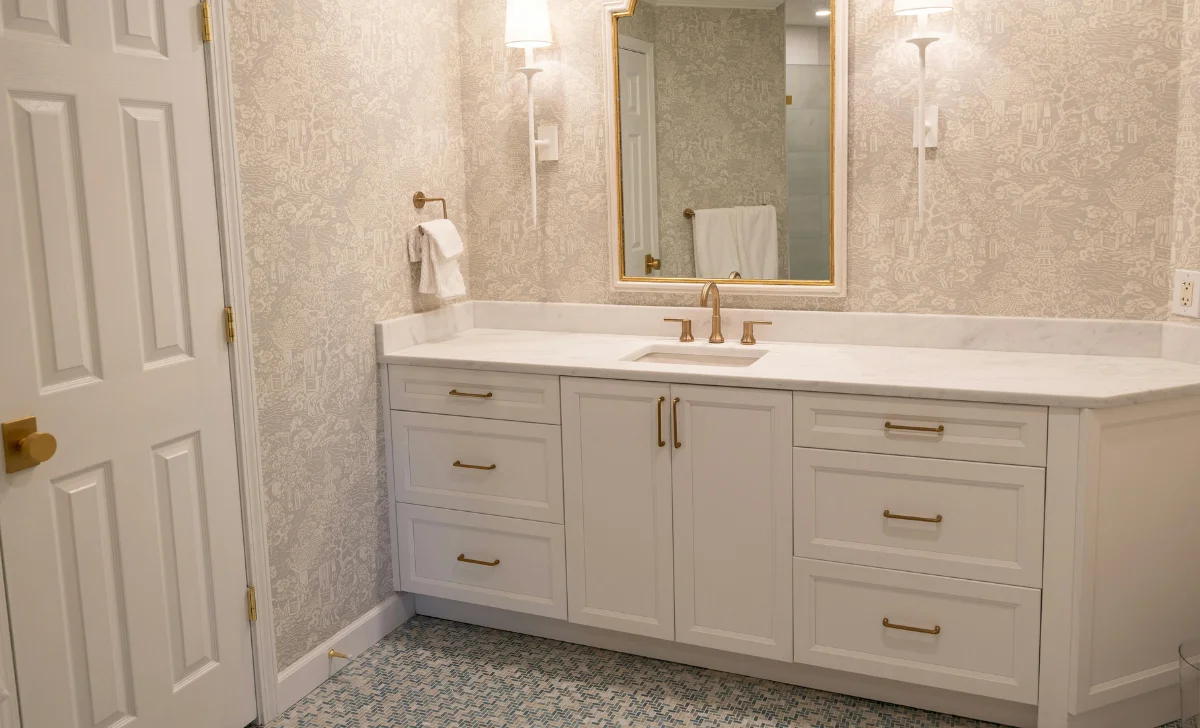
Stone vanity tops add style, value, and durability to any bathroom. Homeowners choose them because they resist moisture, feel solid, and look premium without much upkeep. Picking the right color is just as important as picking the stone itself.
The right tone can make a small bathroom feel larger, soften harsh lighting, or add a sleek, modern touch. Choices go from crisp whites and gentle neutral tones to dark grays and bold veins. A product like a 20mm curved edge stone top in Gloss Silk White, sized from 600–1800mm for above counter basins, shows how flexible stone design can be.
This guide explains how to choose stone vanity top colors and match them with cabinets, walls, floors, and fixtures for a balanced, long‑lasting bathroom design.
How Do You Choose the Right Color for Stone Vanity Tops?
Popular Stone Colors and Design Trends
Modern bathrooms often feature soft, light tones such as warm whites, creams, and pale greys. These colors keep the space fresh and clean while working with many cabinet and tile styles. Gloss Silk White stone tops, for example, suit both minimalist and classic interiors and pair easily with timber, black, or colored cabinets.
Grey stone with subtle veining remains a favorite for a calm, spa look. Bold black or charcoal tops add drama in contemporary spaces, especially with crisp white basins. Beige and sand tones create a natural, relaxed feel in coastal or rustic designs.
Many people now prefer honed or silk finishes instead of high gloss, but a refined gloss surface still looks elegant and reflects light well in bathrooms with limited daylight.
Light vs Dark Vanity Tops: Which Works Best?
Light stone vanity tops work well in most bathrooms because they brighten the room and hide water marks better than very dark surfaces. Gloss Silk White or soft off‑white tops reflect light, helping small or windowless spaces feel more open.
They also show dust and lint less than jet black stone. Dark vanity tops, such as charcoal or black, look striking and modern, especially with white or light basins and walls. They can anchor large rooms and prevent them from feeling too plain.
However, dark colors may reveal soap residue, fingerprints, and limescale more easily, so they need more frequent wiping. When deciding, think about how much natural light your bathroom gets, how often you clean, and whether you want a bright, airy look or a bold, luxurious feel.
How Color Affects Space, Mood, and Lighting
The bathroom vanity with stone top color plays a big role in how you feel in the bathroom. Pale colors, like white and gentle beiges, help a space feel more open and calm in a quiet, understated way.
A Gloss Silk White stone top with a curved edge will bounce light around, softening shadows and working well with cool or warm LED lighting. Grey tones can create a balanced, peaceful mood that suits spa‑inspired designs. Deeper colors add intimacy and sophistication but may make a compact room feel smaller if walls and floors are also dark.
Consider your lighting: cool white light flatters crisp whites and greys, while warm lighting complements beige, cream, and warmer stone patterns. If you mix warm and cool colors, aim for a deliberate contrast so the space feels designed, not mismatched or visually cluttered.
How Do You Match Stone Vanity Colors with Bathroom Elements?
Coordinating with Cabinets, Walls, and Flooring
Start with the element you cannot change easily, often the floor or wall tiles. If your tiles have strong pattern or color, pick a simple stone top, such as Gloss Silk White, to balance the look. With plain tiles, you can use veined or darker stone for interest. For white cabinets, almost any stone color works; choose warm stone with warm whites and cool stone with cool whites.
Timber cabinets pair beautifully with white or light grey stone, keeping the vanity from feeling heavy. Dark cabinets look better with lighter countertops so the room doesn’t feel too tight. Always bring samples together: tile, cabinet door, and stone swatch. Place them under your actual bathroom lighting and check how the colors interact in the morning and evening.
Matching Stone Colors with Fixtures and Hardware
Fixtures and hardware may seem minor, but they can pull your entire scheme together. A Gloss Silk White stone top works well with chrome, brushed nickel, black, and even brass taps. Cool metals like chrome and stainless steel suit white, light grey, and blue‑grey stone. Warm metals such as brushed brass or bronze pair better with creamy whites, beige, or stones with warm veining.
Black fixtures stand out against white stone and blend more against dark stone, so decide whether you want contrast or a discreet look. Match the tone of your basin and toilet to the vanity top as well. A bright white above counter basin sitting on a silk white curved edge stone top creates a clean, coordinated appearance that feels considered and high‑end.
Creating Contrast vs a Cohesive Look
You can design your bathroom around either contrast or cohesion. For a striking look, match a light stone vanity top with dark cabinets or the opposite. A Gloss Silk White top above deep charcoal or walnut cabinetry creates a strong, stylish focal point. This approach works best when walls and floors are more neutral.
For a cohesive look, keep the vanity top, cabinets, and tiles in similar tones, using subtle differences in shade or texture for interest. Soft white stone with pale timber and light tiles produces a calm, airy space. Avoid mixing too many competing patterns; if your stone has busy veining, choose simpler wall and floor finishes.
Always repeat a color at least twice in the room so the scheme feels intentional rather than random.
What should you think about before settling on a color?
Before you lock in a stone vanity top color, review how you use the bathroom every day. Households with children or heavy use may prefer light to mid‑tone stone that hides marks better than pure black. Check your bathroom’s size and natural light; compact or dark rooms usually benefit from lighter tops like Gloss Silk White with a curved edge profile.
Think about future changes as well. Neutral stone colors stay flexible if you later repaint walls or replace hardware. Confirm that the finish suits your cleaning habits: gloss and silk surfaces look sleek but can show streaks if you do not wipe them properly.
Always order or view real samples, not just photos. Place the sample next to your cabinet, tiles, and fixtures under your actual lighting before making the final choice.
Conclusion
Picking the best color for a stone vanity top is not just about choosing a hue you enjoy. You need to consider room size, light, cabinet color, and how the stone will age with your style. Products such as a 20mm curved edge Gloss Silk White stone top for above counter basins, available from 600–1800mm, show how one versatile color can suit many layouts and designs.
Think about whether you prefer contrast or a blended look, and match tones across tiles, fixtures, and hardware. Use samples to see how each option behaves in your bathroom’s lighting. With a deliberate approach, your stone vanity top will offer both durable performance and a timeless, balanced look for years to come.
