
What Really Helps PTSD Recovery and Trauma Healing in Everyday Life
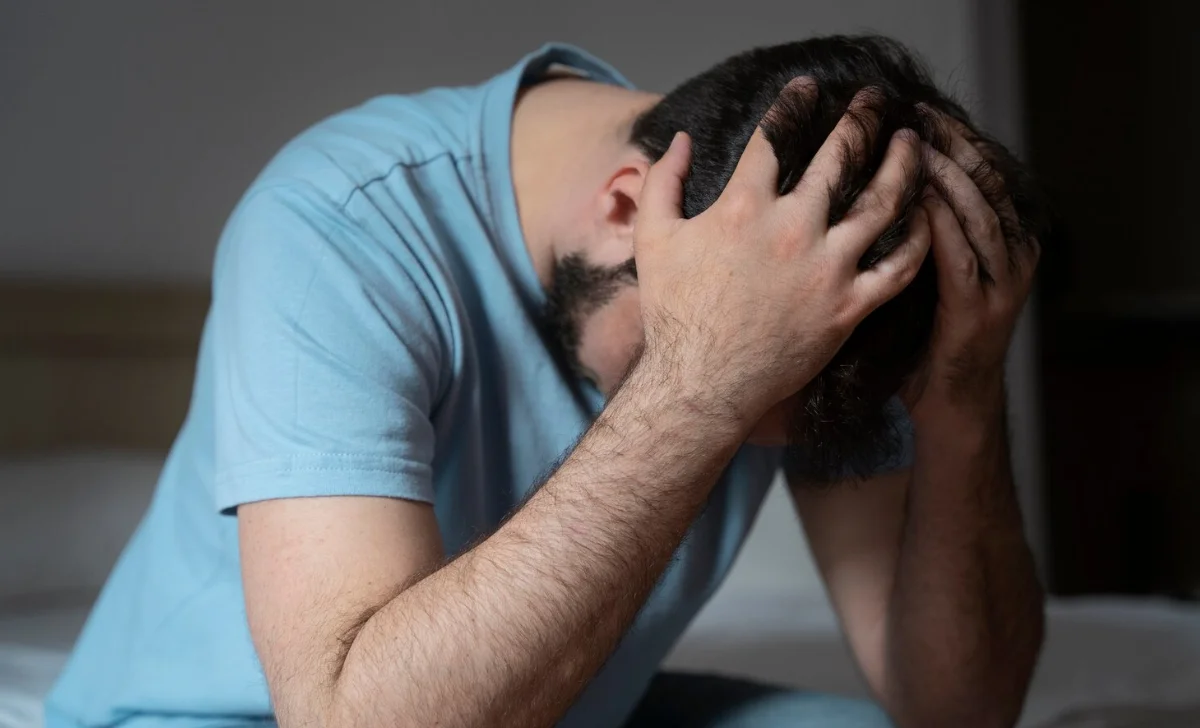
Trauma touches each person differently, and no single solution works right away. Some people struggle with sleep, concentration, irritability, or emotional numbness. Others notice physical symptoms first, including headaches, exhaustion, or a constant sense of tension.
The good news is that many people find improvement when they build steady routines, seek support, and stop expecting themselves to “snap out of it.” Real progress often looks less dramatic than movies make it seem. It usually starts with small habits repeated consistently over time.
Find The Right Therapy
One of the most effective steps people take is finding a therapy style that actually fits their personality and lifestyle. Traditional talk therapy helps many people process difficult memories, but newer approaches such as EMDR, somatic therapy, and trauma-focused CBT have also become more common. What matters is staying with treatment long enough to truly see if it helps.
For some people, accessibility matters just as much as the therapy itself. Driving across town after work or rearranging childcare every week can become overwhelming fast. That is one reason a virtual IOP in California, Maine or wherever you live is one of the best things you can do for your mental health and PTSD. Structured programs that can be attended from home remove a lot of barriers that stop people from getting consistent help.
It also helps to stop treating therapy like a last resort. Many people wait until they are emotionally burned out before asking for support. Earlier intervention tends to make coping skills easier to build and maintain.
Build Daily Structure
Trauma often creates chaos in everyday life. People may lose track of routines, skip meals, avoid responsibilities, or stay isolated for long periods. A predictable daily schedule can help reduce that feeling of instability.
That does not mean every part of the day has to be planned as tightly as a military routine. In fact, overly rigid routines can sometimes add pressure. Instead, focus on simple anchors throughout the day. Waking up at a similar time, eating regular meals, getting outside for fresh air, and limiting endless scrolling before bed can create a stronger sense of control.
Many therapists suggest focusing on calming the nervous system instead of only on getting things done. If your body constantly feels like it is in survival mode, basic routines become more important than chasing perfection. Some days the victory is simply answering emails, taking a walk, and not eating crackers over the sink for dinner. Real life is not always glamorous.
Stop Isolating Yourself
Trauma has a way of convincing people to pull away from everyone. Sometimes that isolation comes from fear. Other times it comes from exhaustion or shame. Unfortunately, isolation usually makes symptoms worse over time.
Healthy support systems matter. That support might come from friends, support groups, faith communities, family members, or trusted coworkers. What matters most is feeling emotionally safe around the people in your life.
At the same time, not every relationship deserves unlimited access to you. People recovering from trauma often benefit from stronger boundaries. Constant exposure to criticism, manipulation, or instability can make emotional regulation much harder.
This is where honesty becomes important. If someone always makes you feel tired, worried, or unsafe, you may need space from that relationship. Healing sometimes requires protecting your peace instead of trying to win everyone over. That lesson can sting a little, especially for chronic people-pleasers, but it matters.
Prioritize Physical Health
Mental and physical health are more connected than most folks think. Chronic stress affects sleep, digestion, hormones, appetite, and energy levels. When the body stays in a stressed, alert state, emotional problems usually become more severe.
That is why therapists and doctors frequently encourage people to improve their sleep habits and physical activity levels alongside emotional treatment. Sleep and exercise help because they support nervous system regulation, improve mood stability, and reduce some of the physical tension trauma places on the body.
Exercise does not have to mean training for a marathon or turning your personality into “person who owns six matching water bottles.” Walking, yoga, swimming, strength training, and stretching can all help lower stress levels. The key is consistency.
Getting enough sleep is equally important. Poor sleep increases irritability, anxiety, and emotional overwhelm. Setting a doable bedtime routine and cutting down on screens at night can bring clear improvements over time.
People sometimes underestimate how much basic physical care affects emotional resilience. It sounds easy because it is easy. That does not mean it fails to work.
Reduce Constant Triggers
Life today makes it easy to be overstimulated often. News alerts, social media arguments, nonstop notifications, and toxic online spaces can keep the nervous system activated for hours without people fully realizing it.
That does not mean avoiding reality or pretending the world is perfect. It means paying attention to what your brain consumes every day. If certain content leaves you spiraling emotionally, reducing exposure may help more than forcing yourself to “toughen up.”
Some people also benefit from identifying specific personal triggers. Crowded environments, yelling, lack of sleep, conflict, or certain smells and sounds may increase stress reactions. Recognizing patterns can help people prepare coping strategies ahead of time instead of feeling blindsided later.
Grounding techniques can also help during stressful moments. Deep breathing, cold water, movement, sensory exercises, or focusing on the present environment may reduce emotional flooding. These methods are not miracle fixes, but they can help make hard times easier to handle.
Recovering from trauma almost never happens in a smooth, straight path. Some weeks feel like you are making progress, while others feel annoying and sluggish. What matters most is consistency, support, and patience with yourself while building healthier habits over time.
