
How Your Home Environment Can Make Moderate Anxiety Worse or Better
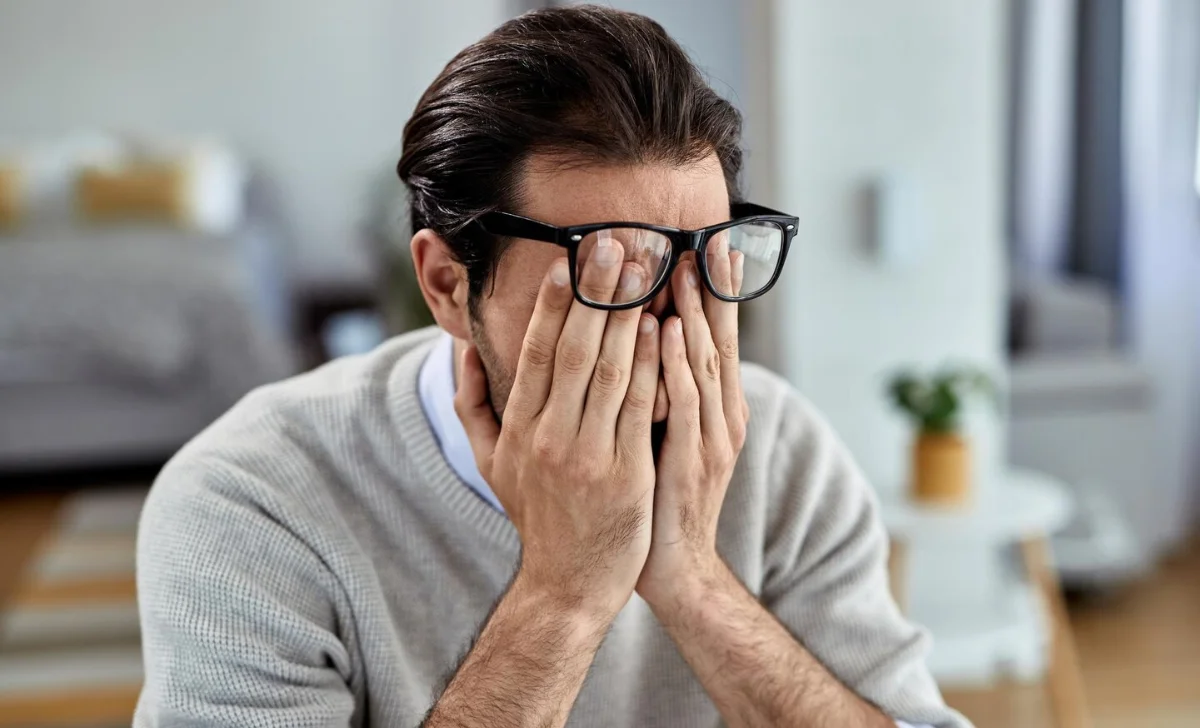
The space around you shapes how you feel more than many folks understandThe space around you shapes how you feel more than many folks understand. A cluttered apartment, nonstop phone notifications, poor sleep habits, isolation, noise, and even lighting can slowly wear down your nervous system over time.
Moderate anxiety often builds through everyday habits and surroundings instead of one dramatic event. The bright side is that tiny daily tweaks can help a lot without needing to change everything at onceThe bright side is that tiny daily tweaks can help a lot without needing to change everything at once.
People tend to focus only on medication or therapy when anxiety starts interfering with daily life. Those tools matter, but your home and routine can either support recovery or make stress harder to manage.
Things like how your bedroom is arranged and how much coffee you drink affect how your body handles stressThings like how your bedroom is arranged and how much coffee you drink affect how your body handles stress.
Your Living Space
Your home should feel like a place where your brain can settle down, not another source of stimulation. Constant mess, excessive noise, harsh lighting, and unfinished chores can create a low-grade stress response that sticks around all day. You cannot easily unwind when your surroundings keep reminding you of unfinished tasksYou cannot easily unwind when your surroundings keep reminding you of unfinished tasks.
This does not mean your house needs to look like a magazine spread. Perfection is not the goal. What matters is reducing visual chaos and creating areas where your mind can breathe a little. Even simple changes help. Open the blinds during the day. Wash the sheets more often. Clear off the kitchen counter. Put your phone somewhere else before bed.
For some people, anxiety becomes overwhelming enough that professional support becomes necessary. Whether you choose to seek out anxiety therapy in San Diego, Miami or Boston, finding treatment from providers you trust is essential because it creates consistency, accountability, and a sense of emotional safety during stressful periods.
Having helpful spaces both indoors and outdoors usually beats depending on just one fixHaving helpful spaces both indoors and outdoors usually beats depending on just one fix.
Sleep Habits
Poor sleep and anxiety practically feed each other. When your sleep routine breaks down, your body remains on high alertWhen your sleep routine breaks down, your body remains on high alert. That means racing thoughts feel louder, concentration gets worse, and everyday problems suddenly feel massive.
A lot of people accidentally sabotage their sleep without realizing it. Doomscrolling at midnight, sleeping with the television on, drinking too much caffeine late in the day, or working from bed can train your brain to stay stimulated when it should be winding down.
Your bedroom setup matters more than people think. Cooler temperatures, darker rooms, and less screen exposure before bed can genuinely improve anxiety symptoms over time. It sounds boring compared to dramatic wellness trends online, but your nervous system likes predictable routines. There is nothing glamorous about going to bed at the same time every night, but your brain loves it anyway.
Even improving your sleep by one extra hour can noticeably change how reactive you feel during the day. People often underestimate how much exhaustion amplifies anxious thinking.
Digital Overload
Modern life keeps people mentally “on” almost nonstop. Phones buzz every few minutes. Social media creates comparison spirals. News alerts trigger stress responses before breakfast. Then people wonder why they feel mentally fried by noon.
Your nervous system was never built to handle nonstop informationYour nervous system was never built to handle nonstop information. Moderate anxiety often grows worse when the brain never gets a break from stimulation. Some people consume so much content every day that silence starts to feel uncomfortable.
That is where boundaries matter. Switching off alerts, cutting back on social media, and staying away from scary news before sleep can lower mental stressSwitching off alerts, cutting back on social media, and staying away from scary news before sleep can lower mental stress.
You do not need to disappear into the woods and throw your iPhone into a river. You only need short times when your mind is not always responding to somethingYou only need short times when your mind is not always responding to something.
Creating device-free spaces inside your home can help too. Maybe phones stay out of the bedroom. Maybe meals happen without scrolling. Maybe the television does not stay running all evening as background noise. Those small adjustments reduce overstimulation more than people expect.
Movement Matters
Anxiety has a physical component, not just an emotional one. Your body stores tension. Sitting indoors all day with little movement can increase restlessness and make anxious thoughts feel more intense.
Exercise does not need to mean marathon training or punishing workout classes. Going for a walk, stretching, tending plants, tidying up, doing yoga, or even dancing in your kitchen all helpGoing for a walk, stretching, tending plants, tidying up, doing yoga, or even dancing in your kitchen all help. The goal is getting your body out of stress mode and helping your nervous system regulate itself naturally.
One reason therapists and doctors encourage people to lead a more active lifestyle is because movement affects brain chemistry in measurable ways. Physical activity can improve sleep, lower stress hormones, increase confidence, and interrupt repetitive thought patterns that fuel anxiety.
Fresh air also matters. Spending all day indoors under artificial light can leave people feeling sluggish and disconnected. Even brief time outdoors can lift your mood and lower stressEven brief time outdoors can lift your mood and lower stress. Sometimes the advice your grandmother gave you about “getting some air” was annoyingly correct.
Relationships at Home
The people and feelings around you matter just as much as your physical spaceThe people and feelings around you matter just as much as your physical space. Living with constant conflict, criticism, unpredictability, or emotional tension can keep anxiety levels elevated for long periods.
Some people minimize this because they are used to it. They tell themselves everybody argues constantly or that chaos is normal. But your nervous system notices patterns even when you try to brush them off logically.
Healthy relationships create emotional stability. That does not mean every interaction is peaceful all the time. Real life is messy. Still, having supportive people around you can make stressful situations feel manageable instead of crushing.
Isolation can also make anxiety worse. Spending too much time alone with anxious thoughts often turns small worries into giant disasters. Human connection helps regulate stress, even if that just means texting a friend, eating dinner with family, or getting out of the house occasionally instead of spiraling alone on the couch while replaying fake arguments in your head for the tenth time.
Food and Stimulants
People rarely connect their diet to anxiety until they accidentally drink three cold coffees on an empty stomach and suddenly feel like they are starring in a medical drama.
Caffeine, sugar crashes, dehydration, and inconsistent eating patterns can all affect anxiety symptoms. This does not mean you have to have a perfect diet or give up coffee for goodThis does not mean you have to have a perfect diet or give up coffee for good. It just means paying attention to patterns.
Some people notice their anxiety spikes after too much caffeine. Others feel worse after drinking heavily, especially the next morning. Skipping meals can also trigger irritability, shakiness, and increased stress responses.
Simple habits like drinking more water, eating protein consistently, and cutting back on stimulants late in the day can help stabilize mood more than trendy wellness products sometimes do.
Moderate anxiety is not caused by one single thing. Usually, it grows from a mix of habits, stress, environment, and lifestyle patterns that slowly push the nervous system into overload. Improving your surroundings, routines, sleep, movement, and relationships can make daily life feel far more manageable over time.
