
Why Comfortable Homes Depend on More Than Just Interior Design
When people think about comfortable homes, they often focus first on interior design. Furniture, color palettes, lighting choices, and decorative details certainly influence how a home looks and feels, but long-term comfort usually depends on much more than visual style alone.
A beautifully designed space can still feel stressful, impractical, or emotionally exhausting if the home itself does not function properly behind the scenes.
Modern homeowners are increasingly recognizing that comfort comes from a combination of atmosphere, reliability, safety, and functionality working together consistently. Temperature control, structural stability, noise levels, lighting quality, air conditions, and maintenance all shape daily life inside the home, even when those details are not immediately visible.
As people spend more time at home working, relaxing, entertaining, and recovering from busy schedules, comfort has become less about appearance alone and more about how supportive the environment feels overall.
Warm Gathering Spaces Change How Homes Feel
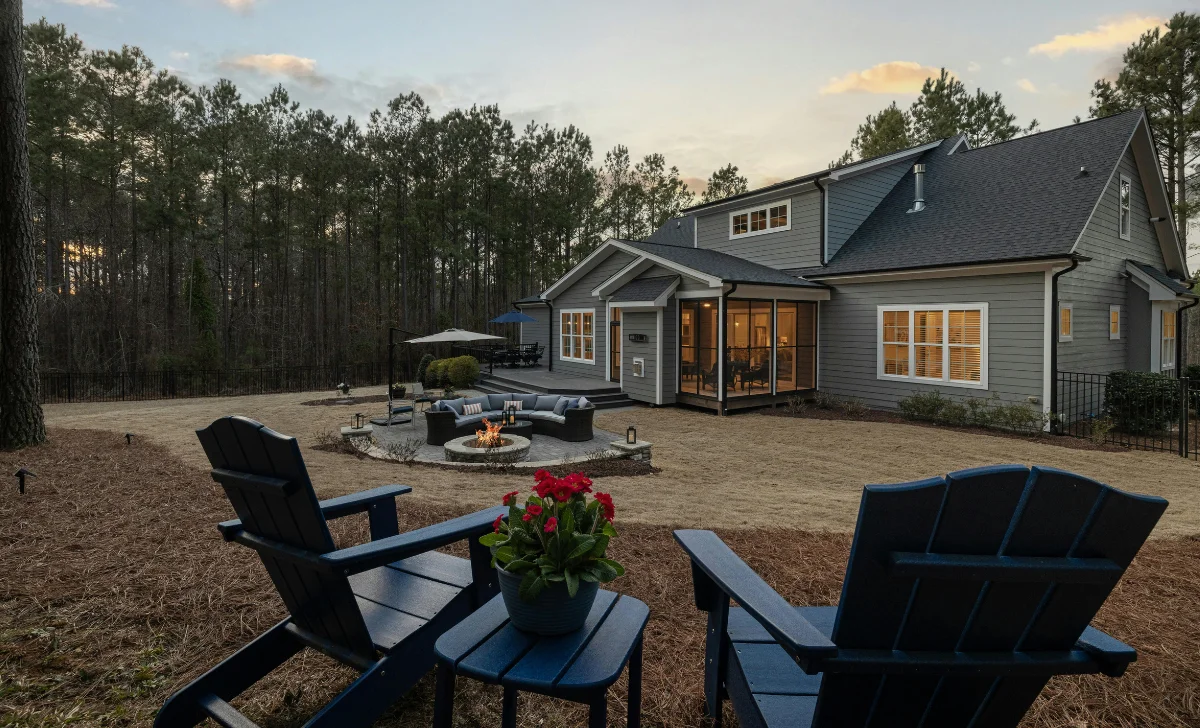
One of the most noticeable factors influencing home comfort is how naturally a space encourages relaxation and connection. Warmth plays a major role in this, especially during evenings or colder months when people spend more time indoors or in outdoor entertaining areas.
Fire features have become increasingly popular because they create gathering points that encourage people to slow down and stay present longer. Outdoor seating areas centered around warmth often feel emotionally calming in ways that purely decorative spaces sometimes do not.
Homeowners creating outdoor entertainment environments with https://royalfirepits.com/ often focus on making homes feel more inviting and usable year-round rather than limiting comfort only to interior rooms. Spaces that encourage relaxation naturally tend to become the most frequently used areas of the home.
Hidden Structural Problems Affect Comfort Significantly
Comfort is difficult to maintain when homes suffer from moisture issues, water damage, poor insulation, mold, or structural deterioration. Many problems that eventually affect emotional well-being begin invisibly behind walls, flooring, or roofing systems long before homeowners fully notice them.
Even smaller restoration issues can influence air quality, stress levels, temperature consistency, and overall peace of mind. This is one reason homeowners increasingly pay attention to preventative maintenance and restoration services rather than focusing only on cosmetic updates.
Companies like Regent Restoration reflect growing awareness that maintaining the health and functionality of a home is just as important as improving its appearance. Reliable home systems often contribute more to long-term comfort than decorative upgrades alone.
Lighting and Atmosphere Influence Emotional Recovery
Comfortable homes also tend to support emotional decompression after stressful days. Lighting plays a major role here because harsh environments often make homes feel less relaxing even when the design itself appears visually appealing.
Many homeowners now prioritize softer lighting, layered illumination, calmer textures, and quieter spaces that help reduce overstimulation during evenings. These changes may appear subtle, but they strongly influence how emotionally restorative a home feels.
The atmosphere of a home frequently affects mood more than people initially realize. Warm, balanced environments generally feel much easier to relax in consistently.
Noise and Air Quality Matter More Than Décor
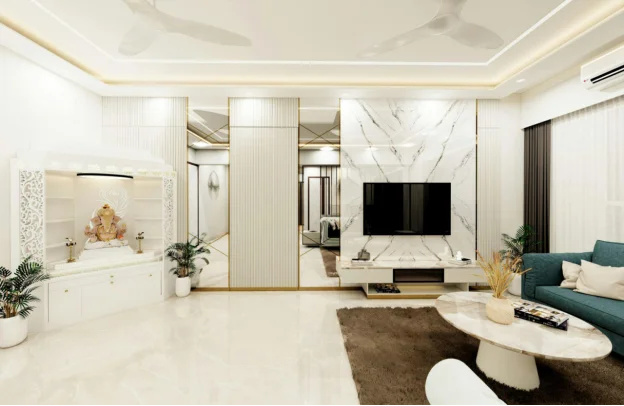
Another factor often overlooked in home comfort is environmental quality. Poor insulation, noisy surroundings, humidity issues, or inconsistent ventilation can quietly reduce quality of life over time even in visually attractive spaces.
People tend to notice these problems most strongly during periods when they spend extended time at home. Constant noise, stale air, or temperature fluctuations gradually create irritation that affects both physical and emotional comfort.
This is why many homeowners eventually shift attention away from purely aesthetic upgrades and toward improvements that make everyday living feel smoother and less stressful overall.
Functionality Shapes Everyday Experience
Beautiful spaces do not always function well practically. Homes that lack storage, efficient layouts, comfortable transitions between rooms, or durable materials may look appealing initially but become frustrating over time.
Comfort often depends on how easily daily routines flow inside the home itself. Organized kitchens, accessible storage, practical furniture placement, and comfortable gathering areas usually improve long-term satisfaction more than decorative trends alone.
This growing focus on functionality reflects broader lifestyle changes where people increasingly want homes that support real daily life instead of existing mainly for visual presentation.
Outdoor Comfort Is Becoming Part of Home Design
Another noticeable shift is that homeowners increasingly view outdoor areas as extensions of the home itself rather than separate decorative spaces. Patios, decks, and backyard environments now play larger roles in relaxation, entertaining, and emotional recovery.
Outdoor warmth, seating comfort, privacy, and lighting all contribute to whether people genuinely use these areas consistently. Spaces that feel comfortable tend to become part of everyday life rather than remaining occasional-use features.
According to the Architectural Digest, modern homeowners increasingly prioritize homes that combine emotional comfort, functional reliability, and practical livability rather than focusing exclusively on aesthetic trends.
Comfort Often Comes From Stability
One reason functional homes feel emotionally comforting is because they reduce uncertainty and stress. Reliable heating, safe structures, organized spaces, clean air, and dependable systems allow people to relax more fully because basic needs are consistently supported.
When homes constantly require repairs or feel uncomfortable physically, stress tends to accumulate gradually in the background. Stability itself often becomes one of the most valuable aspects of a comfortable home.
This is especially important as homes continue serving multiple purposes including workspaces and recovery environments simultaneously.
Truly Comfortable Homes Support Everyday Life
The homes people feel most attached to are rarely defined by design alone. More often, they are spaces where comfort, reliability, atmosphere, and functionality work together naturally to support everyday living.
Warm gathering areas, well-maintained structures, balanced lighting, quiet environments, and practical layouts all contribute to making homes feel emotionally restorative over time.
As priorities continue shifting toward wellness and home-centered lifestyles, many homeowners are discovering that true comfort depends not only on how a space looks, but on how consistently it supports relaxation, stability, and everyday peace of mind.
