
How to Pick a High-Quality Diamond Without Getting Overwhelmed
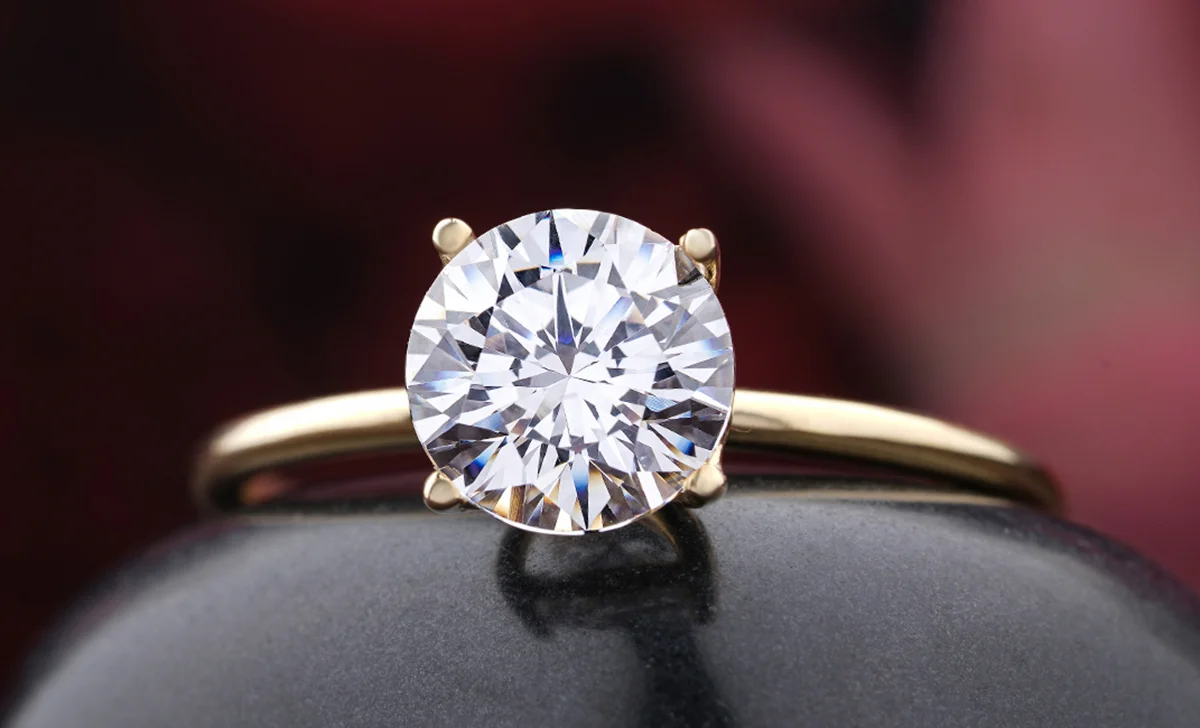
Diamond shopping has a way of making smart people feel completely lost. The terminology, the certifications, the price ranges, the conflicting advice from every jeweler you talk to. Within five minutes of starting to research, you’re staring at acronyms and trying to figure out whether VS1 is meaningfully better than SI1 and whether anyone could actually tell the difference.
Here’s the good news. Picking a high-quality diamond doesn’t require you to become a gemologist. A handful of clear principles will get you 90% of the way there, and once you understand them, the rest of the shopping process becomes much simpler. Here’s how to handle it without getting overwhelmed.
1. Start With the Cut, Not the Carat
Most people start diamond shopping by asking about size. They want to know how many carats they can get for their budget. That’s the wrong question. The cut, not the carat, is what determines how a diamond actually looks on a finger.
A badly cut 2-carat diamond can appear less shiny and smaller than a nicely cut 1-carat one. The cut controls how light enters and reflects out of the stone, which is what creates the brilliance and sparkle people actually notice. If you get the cut right, you can pick a smaller stone and still have it look just as impressive.
2. Color and Clarity Matter Less Than You Think
Diamond grading scales for color and clarity are extremely fine-grained. The gap between a G and an H color, or between VS1 and VS2 clarity, is nearly impossible to see with just your eyes. Yet jewelers will charge significantly more for the higher grade, even though most people couldn’t tell them apart in person.
Aim for the “sweet spot” where quality looks excellent, but you’re not paying a premium for grades only a microscope can detect. For most buyers, that means G-H color and VS2-SI1 clarity. You get a stone that looks completely flawless to anyone looking at it, without the price jump of chasing technically higher grades.
3. Always Insist on Certification
A diamond without a proper certification is a diamond you can’t really verify. Certified diamonds come with a detailed report from an independent grading lab (most commonly GIA or IGI) that documents the exact specifications of the stone. The certification is what protects you from paying for a higher grade than what you’re actually getting, which is one of the most common ways inexperienced buyers get taken advantage of.
Reputable retailers like Ritani sell only certified stones, which makes the comparison process much easier because you’re working with verified specifications instead of marketing language. If a jeweler can’t or won’t provide independent certification, walk away.
4. Set Your Budget Before You Shop
Diamond prices climb quickly. There’s always a slightly bigger or slightly higher-graded stone just a few hundred dollars away, and before you know it, you’ve talked yourself into a budget twice what you started with.
Figure out how much you want to spend before you begin shopping, and don’t go over that amount. The right diamond at the right price will make you happier than a stretched-budget diamond that creates financial stress every time you look at it.
5. See It in Person if You Can
Pictures and videos can trick you. Two diamonds with identical specifications can look surprisingly different in person, especially when it comes to the play of light. If at all possible, see the actual stone before you buy. If you buy online, pick a seller with a easy return policy so you can check the stone in your own lighting and on your own hand before you decide.
6. Pay Attention to Shape and Setting
Round brilliants are the most popular and tend to maximize sparkle. But they also cost the most for each carat. Other shapes (oval, cushion, emerald, pear) often deliver more visual size for the same price and offer a more distinctive look.
The setting matters too. A well-designed setting can make a stone look bigger, frame it beautifully, and protect it from damage over time. Don’t underspend on the setting just to maximize the diamond. The two factors work as a pair.
7. Ask the Right Questions
Good diamond retailers welcome questions. They expect them. Some questions worth asking:
- May I view the certification document before buying?
- What is the refund rule if I change my mind?
- Is the stone treatment-free, or has it been enhanced?
- How does this stone compare to others at a similar price point?
- What’s your buyback or upgrade policy?
According to a 2024 report from Bain & Company, the global diamond market continues to evolve as consumers prioritize transparency, ethics, and verifiable quality over brand prestige alone. That shift is good news for buyers, because it means more retailers are competing on real value rather than marketing.
Final Thoughts
Picking a high-quality diamond doesn’t require expert-level knowledge. It requires understanding the few things that genuinely matter (cut, certification, sweet-spot grading, and a trustworthy retailer) and ignoring most of the rest. Once you’ve internalized those basics, the shopping process gets much easier, and the decisions get much clearer.
Go slowly, ask plenty of questions, and don’t let pressure rush you into buying something you feel uncertain about. A diamond is the kind of thing you live with for decades, and the difference between a good buying experience and a bad one comes down to whether you took the time to actually understand what you were buying.
Get the fundamentals right, and you’ll walk away with a stone you love and a price you feel good about.
