
Winter Salt Stains on Floors and Carpets: Why They Happen and How to Handle Them
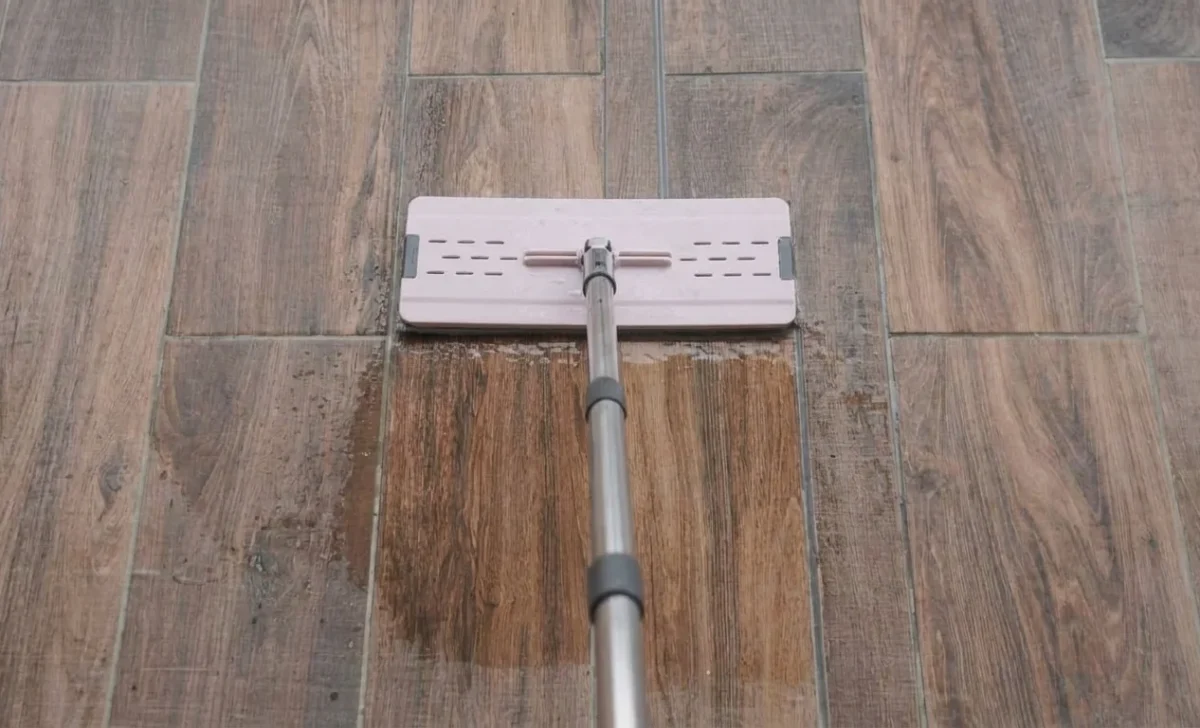
Every winter, the same frustration repeats: white, crusty residue appears on your entryway tile, spreads across your carpet, and stubbornly resists normal mopping and vacuuming. Winter salt stains are one of the most common (and most annoying) seasonal cleaning challenges, especially in colder climates where road salt is used heavily. Understanding why salt stains happen, and what actually removes them, can save you hours of scrubbing and protect your floors from damage.
Key Takeaways
- Salt stains form when moisture from boots and shoes deposits dissolved road salt onto floors, leaving white crystalline residue as water evaporates.
- Standard vacuuming and regular mopping won’t remove salt stains because the crystals bond differently to fibers than regular dirt.
- Salt is acidic and corrosive over time; leaving it on natural stone, hardwood, and carpet weakens fibers and degrades finishes.
- Professional cleaning combined with targeted salt removal works faster and safer than aggressive DIY scrubbing.
Why It Matters
Winter salt stains aren’t just an aesthetic problem. When you ignore them, salt crystals continue to absorb moisture from humid indoor air, re-dissolving and seeping deeper into carpet fibers, grout lines, and wood grain. This repeated cycle of crystallization and dissolution gradually weakens fibers, discolors grout, and can damage wood floors if left unchecked. In high-traffic entryways and mudrooms, salt stains can spread quickly and become increasingly difficult to remove the longer they sit.
The reason standard cleaning fails is simple: salt behaves differently than regular dirt. Dirt particles are removed by friction and suction; salt crystals bond chemically to fibers and require a different approach. A detailed guide on salt stain removal explains the chemistry behind these stains and why certain methods work while others can actually worsen the problem by pushing salt deeper into the material.
How Winter Salt Stains Form
Salt stains start the moment water from wet boots and shoes meets road salt tracked indoors. Road salt (typically rock salt, calcium chloride, or magnesium chloride) dissolves in moisture on boot soles and is carried into your home. As this salty water sits on your floor or sinks into carpet fibers, evaporation begins. The water evaporates, but the salt remains, crystallizing into those familiar white or grayish streaks and patches.
This process repeats every time someone enters from outside during winter. Each footstep adds a new layer of dissolved salt, creating an accumulation problem that gets worse with traffic. In mudrooms and entryways, where people remove boots and coats, salt concentration is especially high because water sits longer and evaporation is slower in those moist zones.
Why Standard Cleaning Doesn’t Work
Regular vacuuming removes loose surface dirt but has little effect on salt stains because the crystals have already bonded to fibers. Mopping with plain water can temporarily dissolve surface salt, but without proper removal technique, you’re simply re-dissolving and redistributing the salt across a larger area. Hot water mopping is often recommended for salt removal, but without the right approach, heat can cause moisture to penetrate deeper into fibers and grout, spreading the problem rather than solving it.
Aggressive scrubbing is tempting but counterproductive. Scrubbing salt-stained carpet fibers can damage them permanently, causing matting and weakening the pile. For tile and grout, hard scrubbing can scratch surfaces and push salt residue deeper into porous grout lines where it becomes even harder to remove.
Effective Salt Stain Removal Methods
For Carpet
The most effective method for salt-stained carpet begins with a specialized solution designed to re-dissolve salt crystals without damaging fibers. For mild buildup, a solution of water, white vinegar, and a little gentle dish soap usually does the job. Spray the solution onto stained areas, let it sit for 5 to 10 minutes to allow the vinegar to break down salt crystals, then blot thoroughly with clean white towels.
If needed, repeat the treatment, but always dab instead of scrubbing. The key is using enough solution to fully dissolve the salt, then removing all moisture so no residue remains.
For heavy staining or large affected areas, steam cleaning specifically designed for salt removal is more effective than DIY methods. Professional-grade extraction removes dissolved salt along with moisture, preventing the re-crystallization that occurs when moisture is left behind.
For Tile and Hard Floors
Tile is less delicate than carpet but more porous than it appears. Salt crystals embed into grout lines and porous stone tiles more deeply than on sealed surfaces. A vinegar-based solution works well here too, applied with a spray bottle and allowed to sit briefly before scrubbing gently with a soft-bristled brush. For sealed tile with non-porous grout, a basic mop with hot water and vinegar usually removes stains quickly.
Natural stone tiles require extra caution because vinegar’s acidity can etch limestone, marble, or travertine. For these materials, a neutral pH cleaner specifically formulated for stone is safer and more effective. Before using any cleaner broadly, try it on a small, hidden spot first.
For Hardwood and Wood Floors
Wood floors are the most vulnerable to salt damage because salt draws moisture from the surrounding air, causing wood to swell and warp. Never use water-heavy methods or allow moisture to sit on wood. Instead, mix a small amount of vinegar with minimal water, apply it sparingly with a cloth, and wipe dry immediately. For light stains, a slightly damp microfiber cloth alone may be sufficient. The goal is to dissolve salt crystals with minimal moisture exposure.
Prevention: The Real Long-Term Strategy
Removing salt stains is easier than preventing them entirely, but a few simple habits dramatically reduce accumulation. Place thick mats or boot trays just inside exterior doors. These trap moisture and salt before they reach your floors. Encourage family members and guests to remove boots in the entryway rather than walking through the house in wet footwear. A straightforward rule to leave boots at the door stops most salt stains before they ever appear.
For entryways that see heavy traffic, consider a dedicated washable mat specifically designed to absorb moisture and salt. Replace or wash these mats weekly during heavy snow season.
A Practical Example
Consider a typical household in a northern climate. A family of four, two dogs, and regular visitors means 15 to 20 people passing through the front door daily during winter. By mid-January, their tile entryway is covered in white salt stains despite weekly mopping. Their carpet runner in the hallway shows streaking.
They attempt to clean it themselves with vinegar and hot water, improving the appearance slightly but spending two hours on a job that doesn’t fully resolve the problem. Two weeks later, the stains return and appear worse because salt has worked deeper into fibers and grout lines. At this point, professional cleaning designed for salt removal saves time and prevents the ongoing cycle of partial cleaning and re-staining.
Actionable Takeaways
- Place boot trays inside exterior doors immediately and clean them daily during winter months.
- For light salt stains on carpet, use a vinegar-water solution (1 part vinegar to 3 parts water) applied with a spray bottle and blotted thoroughly with clean towels.
- For tile and hard floors, allow vinegar solution to sit for 5 to 10 minutes before gently scrubbing with a soft brush.
- Never use aggressive scrubbing or excessive water on natural stone, wood, or delicate flooring.
- Consider professional steam cleaning for carpet salt stains that don’t respond to DIY methods or that cover large areas.
- Act quickly when salt stains appear; the longer salt sits, the deeper it embeds and the harder it becomes to remove.
Conclusion
Winter salt stains are a predictable challenge in cold climates, but they’re far from inevitable. Understanding why salt stains form, why standard cleaning fails, and which methods actually work puts you in control. The combination of prevention (boot trays, removing footwear indoors) and prompt, proper removal (vinegar solutions, proper blotting, professional help when needed) keeps your floors clean and protected throughout the season. Starting now, before heavy snow arrives, is the smartest approach to avoiding the accumulated salt buildup that makes late winter so frustrating.
FAQ
Why does salt stain come back even after I clean it?
Salt reappears because moisture from humid indoor air re-dissolves salt crystals remaining in fibers or grout lines, causing them to re-crystallize. If you don’t remove all salt and moisture during cleaning, the cycle repeats. This is why blotting and extraction are more effective than mopping, which leaves moisture behind.
Is plain vinegar safe to use on every type of flooring?
White vinegar works on sealed tile, most vinyl, and sealed hardwood, but it can etch natural stone like marble or limestone. Always test vinegar on a hidden area first, and avoid it entirely on unsealed wood or porous stone. For sensitive materials, use a pH-neutral cleaner instead.
Is it safe to use salt-removing solutions on my carpet?
Commercial salt-removing solutions designed for carpet are safe when used as directed and followed by thorough extraction or blotting. Homemade vinegar solutions are also safe for most carpets. Avoid bleach-based cleaners, which can damage dyes and fibers. Always try a cleaner on an out-of-sight corner before using it fully.
How frequently should salt stains be cleaned in winter?
Tackle stains the moment you spot them. The longer salt sits, the deeper it penetrates and the harder it becomes to remove. Daily vacuuming of salt-prone areas and weekly targeted cleaning of stained zones prevents heavy buildup and keeps the problem manageable.
Will professional cleaning remove all salt stains?
Professional cleaning designed for salt removal is highly effective, especially on carpet and sealed hard floors. However, extremely old or deeply embedded salt in porous materials like unsealed grout may not be completely removable without risking damage to the material itself. Prompt professional cleaning when stains first appear yields the best results.
What’s the difference between road salt and table salt for cleaning?
Road salt and table salt are chemically similar, but road salt often contains additives like anti-caking agents or anti-corrosion compounds that can complicate removal. The staining principle is the same, but stains from road salt may require more thorough removal methods. For cleaning purposes, white vinegar works on both types.
