
6 Common Summer Sports Injuries and How To Prevent Them
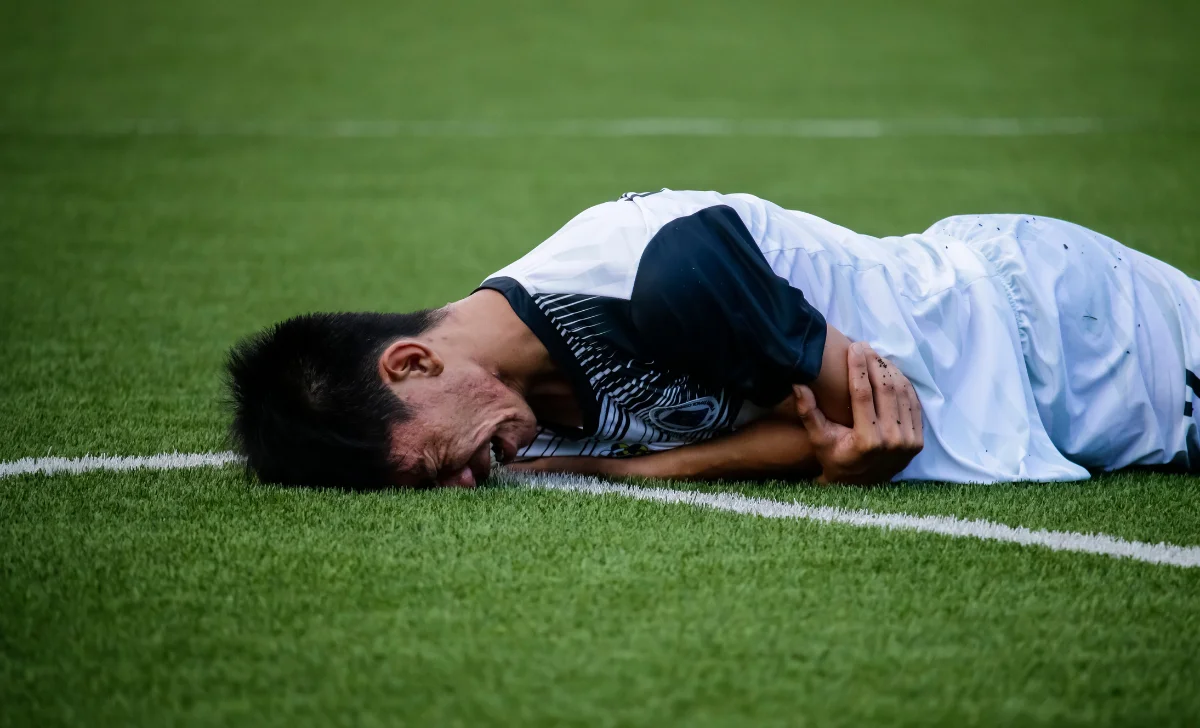
Summertime is ideal for going outdoors and being energetic. From pick-up basketball games and tennis matches to hiking trails and long bike rides, warm weather encourages people to move more and enjoy their favorite sports.
However, more movement also means a greater chance of getting hurt. Overuse, dehydration, poor recovery habits, and lack of support can all lead to aches, strains, and setbacks that interrupt your routine.
That’s why many athletes and active adults turn to Copper Fit products to provide extra support during workouts, recovery days, and everyday movement. Compression gear can help soothe discomfort, support stability, and keep you feeling more comfortable while staying active throughout the summer months.
Knowing about frequent summer sports hurts and how to stop them helps you stay well and have fun all season without extra discomfort.
1. Runner’s Knee
Runner’s knee is one of the most common warm-weather injuries, especially for people who increase their activity level too quickly. It causes pain around the kneecap and can worsen during running, climbing stairs, or prolonged sitting. Experts say overuse, weak leg muscles, and improper alignment are common causes of this condition.
Preventing runner’s knee starts with gradual increases in training. Jumping from occasional exercise to daily high-impact activity can place too much stress on the joints. Good shoes, building strong muscles, and gentle stretching can also lessen stress on your knees. Many athletes also wear compression knee sleeves for added support and stability during exercise.
2. Tennis Elbow
Even though it’s called tennis elbow, it bothers more than just people who play tennis. This is an injury from doing the same motion too often, making your lower arm muscles and cords work too much. Activities like pickleball, golf, baseball, and even gardening can trigger it during the summer.
You typically feel pain or soreness on the outer part of your elbow, mainly when you grip things or lift. Preventing tennis elbow often comes down to proper technique and avoiding repetitive stress without rest. Warming up before sports and taking breaks during long activities can help protect the joint.
3. Ankle Sprains
Uneven trials, slippery pool decks, and quick changes in direction during sports make ankle sprains especially common in the summer. An ankle sprain happens when the tough bands near your ankle stretch or rip, causing puffiness, dark marks, and unsteadiness.
Weak ankle muscles and poor balance can increase your risk. Doing exercises to get stronger, wearing good shoes, and warming up correctly are very helpful in stopping them.
For people prone to ankle discomfort, ankle braces can provide additional support during workouts, hikes, and other recreational activities. Stability becomes especially important when exercising on uneven surfaces.
4. Shoulder Strains
Swimming, baseball, volleyball, and other overhead sports can put heavy strain on the shoulders. Repetitive overhead motion may irritate muscles, tendons, or ligaments, especially if flexibility and strength are lacking.
Shoulder injuries often start as mild soreness that gradually worsens. Lots of folks don’t pay attention to the first signs until moving normally starts to feel bad. Prevention includes regularly stretching the shoulders, strengthening the upper back, and avoiding overtraining.
Recovery also matters. Taking time to rest sore muscles and using supportive gear when needed may help active individuals stay more comfortable between activities.
5. Shin Splints
Summer running events and outdoor fitness programs often lead to a rise in shin splints. This issue brings discomfort down the front of your lower leg bone because of pressure on the muscles and other tissues there.
Shin splints often show up when someone quickly does harder, longer, or more frequent workouts. Hard pavement and worn-out shoes can also contribute to the problem.
To avoid shin splints, you should take it easy and give your body time to rest between your exercise sessions. Stretching the calves and strengthening lower leg muscles may also help reduce strain.
6. Lower Back Strain
Yard work, long road trips, paddleboarding, and lifting heavy coolers can all lead to lower back strain. Poor posture, weak core muscles, and sudden twisting motions are common causes.
Lower back pain can make even simple activities uncomfortable, which is why prevention is so important. Maintaining core strength, lifting properly, and avoiding overextension in hot weather can help reduce back stress. Staying hydrated is another important factor, as dehydration can contribute to muscle tightness and cramping.
Staying Active Without Setbacks
Summer sports and outdoor activities are a great way to stay healthy, improve fitness, and enjoy the season. However, injuries can quickly sideline even the most active people if proper precautions aren’t taken. Listening to your body, warming up correctly, staying hydrated, and using supportive gear when needed can make a major difference.
Whether you enjoy running, hiking, cycling, tennis, or weekend pick-up games, prioritizing recovery and joint support can help you stay consistent throughout the season. Small habits can help reduce discomfort and keep you moving comfortably all summer long, including stretching regularly, pacing your workouts, and wearing compression support when appropriate.
