
Why Cleaning Up After a Fire Is More Complicated Than It Looks
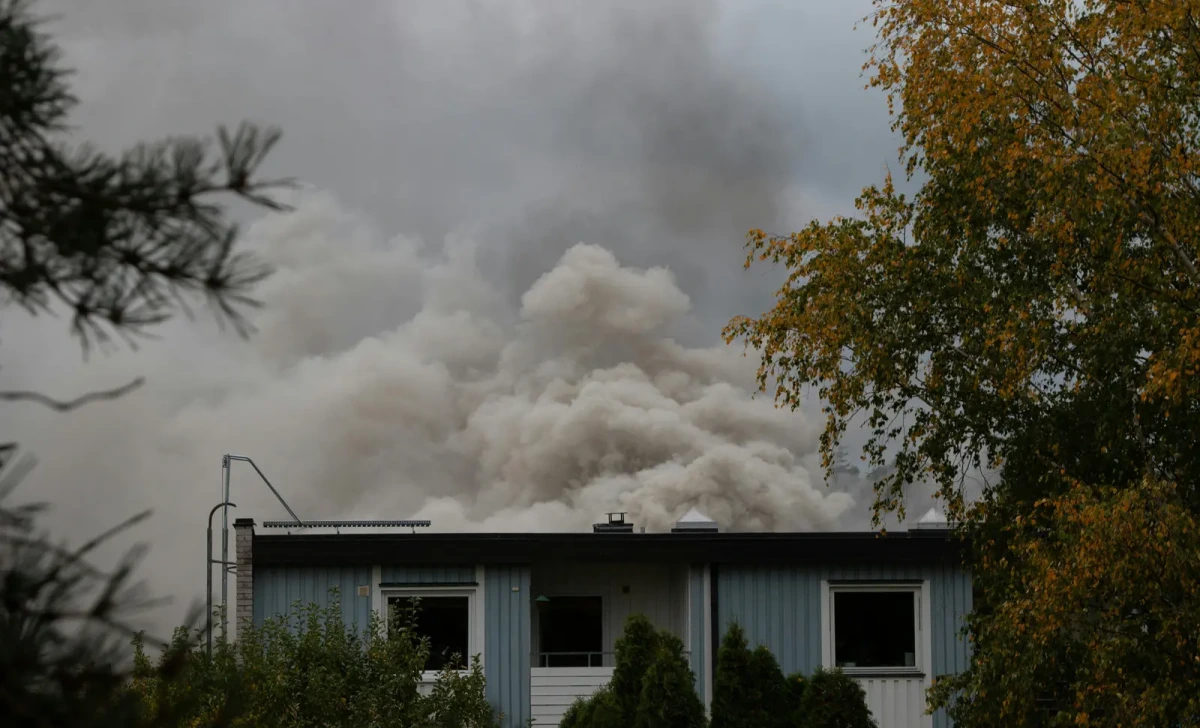
You breathe a sigh of relief once the fire trucks pull away. The fire’s out, the worst is over, right? Not quite. What’s left behind is its own kind of problem, and if you don’t handle it the right way and in the right order, you end up in a much deeper hole than you started with.
What Fire Ruins is More than Just What Meets the Eye
When you walk into a fire-damaged room, your eyes go straight to the burn marks and charring. That’s the obvious stuff. But fire & smoke damage restoration goes far deeper than what’s visible on the surface, and that’s exactly what makes it so easy to underestimate.
Soot is acidic. It starts eating into metal, glass, wood finishes, and electronics within hours of a fire, not days. And it doesn’t stay put. It moves through your HVAC system and settles deep inside walls, in places you’d never think to look.
The smoke smell is its own battle. It bonds to drywall, insulation, wood framing, and fabric, and it doesn’t leave on its own. Cracking windows won’t cut it. The only real fix is chemical treatment or thermal fogging.
And don’t forget the water. Getting a fire under control takes thousands of gallons pushed into floors, walls, and ceilings. If that moisture isn’t pulled out within 24 to 48 hours, you’ve got a mold problem growing right on top of your fire problem.
Why DIY Cleanup Often Makes the Damage Worse
The gut reaction after a fire is to start cleaning. But with fire & smoke damage restoration, jumping in without knowing what you’re doing tends to make things worse, sometimes a lot worse.
If you grab a household cleaner and start scrubbing soot, you’re not removing it. You’re pushing it deeper into the drywall or upholstery. Dry soot on a surface can usually be recovered. Soot that’s been rubbed in and wet is a different story.
The bigger issue is hidden damage. You can dry the surface of a wall and still have moisture sitting in the cavity behind it. Without moisture meters and thermal imaging cameras, those spots get missed entirely. When they do, mold shows up within a week or two and what could’ve been a contained cleanup turns into a full reconstruction job.
What a Professional Fire and Smoke Restoration Service Actually Includes
The first thing a restoration crew does isn’t cleaning. It’s stabilization. Broken windows get boarded up, damaged roof sections get tarped, open walls get secured to stop additional damage before the real work starts.
Soot removal is done with commercial-grade agents and dry sponging techniques that lift soot off surfaces rather than embedding it. The HVAC system gets cleaned separately so it doesn’t blow contaminated air back through your property the moment it’s switched on.
For odor, crews use hydroxyl generators, ozone machines, and thermal foggers to neutralize the compounds causing the smell, not just cover them up.
Removing water uses special truck tools and big drying machines to take wetness from walls, under-floors, and floor parts. Your belongings, furniture, clothing, documents, and electronics, can often be salvaged through ultrasonic cleaning or specialized dry cleaning rather than being thrown out. Structural repairs come last, with drywall, flooring, and finishes matched to what was there before.
Making Your Place Normal Again Needs More than Just Cleaning
Getting your place looking right is one piece of it. Getting it actually safe is another. Smoke residue inside ductwork causes ongoing respiratory irritation, so air scrubbers run throughout the process to bring air quality back down to a safe level.
An experienced restoration team also handles insurance documentation from day one. How damage gets documented directly affects what gets covered and how fast the claim moves. Missing or incomplete documentation early on can drag a settlement out for months.
In the End
Fire cleanup has to happen in a specific order, with the right equipment, by people who know what they’re looking for. The damage that doesn’t get caught in the first few days compounds fast. What’s fixable on day one might not be fixable by day ten.
The real value in hiring a professional restoration company is that they see the full picture of what a fire does to a property, including everything that isn’t visible, and they work through it before any of it has a chance to become permanent.
