
Miami Safety for Travelers: What Actually Matters and What Doesn’t
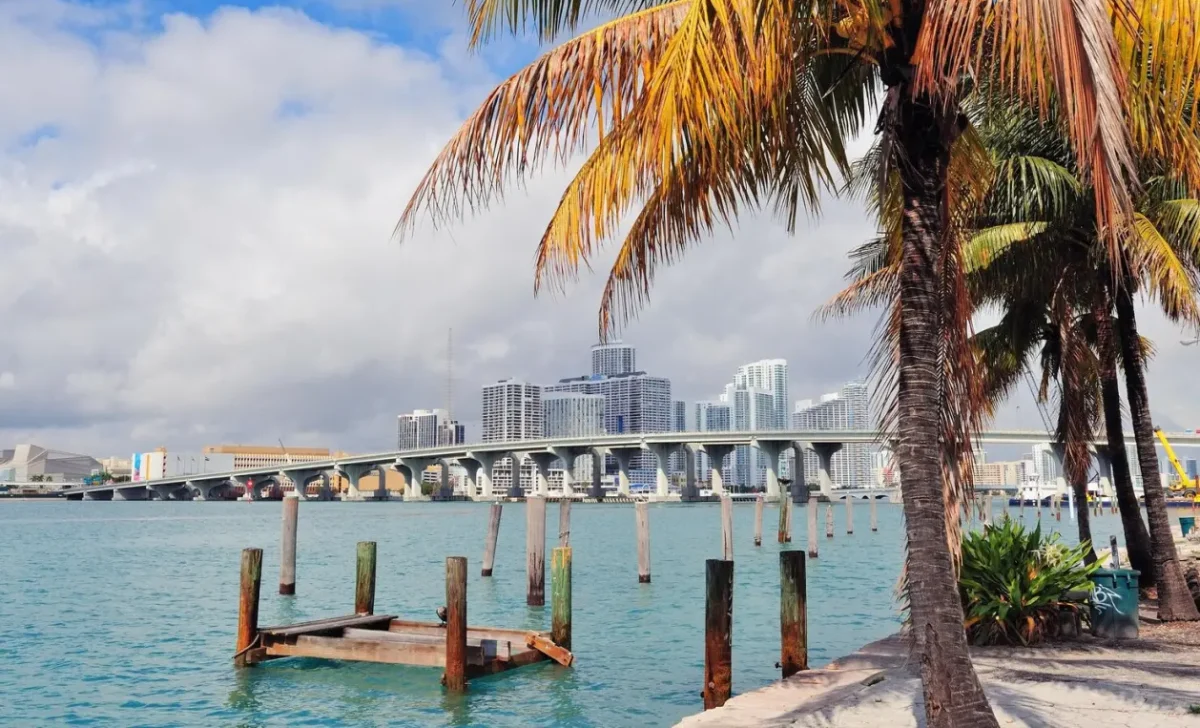
Miami gets a reputation. Every travel forum has that person saying they’d “never go there” based on a news story from 2015. But reputation and reality are rarely the same thing, especially when it comes to a city that hosts over 24 million visitors annually.
The truth about Miami safety is far more nuanced than the headlines suggest, and understanding which neighborhoods are genuinely safe, which precautions actually work, and how your choice of accommodation affects your entire trip requires looking past the noise.
Key Takeaways
- Miami’s safest neighborhoods for tourists include South Beach, Brickell, Downtown, Wynwood, and Coral Gables, all with strong police presence and active communities.
- Common sense beats constant worry: fundamentals such as paying attention to your environment, keeping away from empty areas after dark, and not flashing your belongings cut your risk far more noticeably.
- Shared group accommodations in managed buildings provide built-in security advantages over scattered hotel rooms or solo apartment stays.
- Most visitor-focused areas are heavily patrolled and actively maintained because tourism is Miami’s economic backbone.
Why It Matters
Miami’s safety profile directly shapes how you actually experience the city. When you’re worried about security, you second-guess neighborhood recommendations, skip neighborhoods that are genuinely safe, and spend mental energy on fear instead of connection. When you’re confident about where you are, you linger longer at galleries in Wynwood, eat dinner outdoors in Brickell, explore Little Havana after sunset, and leave the city with real memories instead of just checked-off boxes.
The other factor that rarely gets discussed: where you stay impacts your safety experience more than most people realize. Staying in vacation rentals in miami managed through a single property company means you’re not scattered across a dozen buildings with different security systems, different neighborhoods, and different management responsiveness.
You’re in one consolidated space with consistent access, clear security protocols, and staff who know your group by name. That consistency matters psychologically, and it matters practically.
The Neighborhood Breakdown: Where Visitors Actually Stay
Miami isn’t monolithic, and neither is its safety profile. Tourist-focused neighborhoods have completely different dynamics from residential areas miles inland.
South Beach and Miami Beach
South Beach likely receives the heaviest police coverage of any district in Miami. It’s the economic center for the city’s tourism industry, which means police presence is constant and visible. Ocean Drive and Washington Avenue stay busy into the early morning hours with crowds, restaurants, and foot traffic. Is it rowdy on weekend nights? Yes. Is it unsafe? Not in any meaningful way.
The crowds actually work in your favor. Solo travelers and groups alike move through this area with minimal risk as long as they follow basic street awareness.
The residential blocks just west of South Beach (around Collins and Washington south of 14th Street) are quieter and feel noticeably safer, even late at night. Fewer tourists means fewer targets, and local residents keep their blocks maintained.
Brickell
Brickell has transformed over the past decade into one of Miami’s safest and most walkable neighborhoods. It’s Miami’s financial district, which brings constant foot traffic, restaurants and high-rise residential buildings with serious security infrastructure.
The neighborhood is gentrifying rapidly, which unfortunately means higher costs, but it also means serious investment in public safety and infrastructure. Walking Brickell Avenue or Mary Brickell Village at 11 PM feels genuinely safe. Violent crime is rare. Property crime is lower than tourist-heavy areas because there are fewer transient visitors.
Wynwood
Wynwood’s reputation lags behind its actual safety improvements. Yes, it’s an arts district in a historically industrial area. Yes, a few blocks south of the Wynwood Walls have higher property crime. But the core art district, Wynwood Walls, and the surrounding gallery cluster have seen massive investment in lighting, mural projects, and community development over the past five years.
Walking through Wynwood during daylight and early evening (before midnight) feels energetic and safe. Going there at 2 AM alone is a different story, but that’s true of any neighborhood.
Downtown Miami
Downtown is heavily policed, brightly lit, and filled with office workers, shoppers, and residents. The Riverwalk is genuinely pleasant for evening walks. The Adrienne Arsht Center brings thousands of people into the neighborhood for performances. Crime exists here like it exists everywhere, but serious crimes targeting tourists are uncommon. The neighborhood has a business-district feel, which changes the safety calculus entirely.
Coral Gables
Coral Gables is refined, neatly kept, and peaceful. Stepping into Coral Gables feels like being in an entirely separate city compared with South Beach. Streets are tree-lined, architecture is historic, and the neighborhood is primarily residential with strong community oversight. It’s one of Miami’s safest neighborhoods, period.
Practical Precautions That Actually Work
Regardless of which neighborhood you choose, a handful of strategies reduce your risk far more effectively than anxiety or paranoia.
Make a habit of observing the street around you and the people on it. This is not paranoia. It’s the same thing you do automatically in any city. Notice what’s normal (foot traffic, people), notice what’s not (someone following you, an unusually empty street, aggressive panhandling). Awareness is your primary safety tool.
Don’t carry large amounts of cash or show expensive valuables. This isn’t unique to Miami. Thieves target visible targets everywhere. Use a debit card, keep your phone in your pocket instead of your hand, wear a crossbody bag instead of a backpack. These are habits, not restrictions.
Travel in groups when possible, especially at night. A group of four is a much less appealing target than a solo traveler. That rule holds in every city and applies most forcefully in built-up areas.
Steer clear of genuinely deserted places after dark. Some stretches of beach south of South Beach, long residential blocks far from retail, and unlit parks at 2 AM are reasonable to skip. This isn’t Miami-specific advice. It’s universal.
Use rideshare services instead of hailing street taxis. Uber and Lyft in Miami are reliable, safe, and trackable. You can see your destination and the fare before you even get inside.
A Concrete Example: The Group Trip Reality
Let’s say you’re planning a three-day group trip with six friends. You arrive Friday evening, and you want to explore South Beach, walk Wynwood early Saturday morning, have dinner in Brickell Saturday night, visit Coral Gables Sunday afternoon, and check out the Riverwalk Sunday evening before departure.
If you’re scattered across three different hotels and two Airbnbs, coordinating pickup times is chaotic. Someone’s in South Beach, someone’s in Brickell, someone’s in Wynwood. You’re using Ubers to meet up, which wastes time and money. You’re checking different key codes, dealing with different room layouts, worrying about different security systems.
If you’re in one consolidated group space in Brickell (central to all three destinations, all walkable), with secured entry, 24/7 staff responsiveness, and everyone sleeping in the same building, the entire logistics chain becomes simple. You all go out together, you all return to the same place, you’re never stranded or separated. The psychological benefit of knowing exactly where everyone is matters far more than most travel guides acknowledge.
Actionable Takeaways
- Research the specific neighborhood you’re considering, not “Miami” as a generic entity. South Beach and Brickell are genuinely different from areas miles away.
- Choose accommodation in a managed building with consolidated check-in rather than scattered units. The consistency and security protocols add up across your entire stay.
- Build your itinerary around walking-friendly neighborhoods: South Beach, Brickell, Downtown, Wynwood (daytime), and Coral Gables. These areas have high police presence and foot traffic.
- Don’t skip neighborhoods because of headlines. Most violent crime in Miami, like most violent crime everywhere, involves people who know each other. Tourist-targeted violence is rare.
- Use basic street awareness, group travel when possible, rideshare services, and avoid isolated areas after midnight. These habits work everywhere and work in Miami.
Conclusion
Miami is a city of 400,000-plus people hosting millions of annual visitors. It has neighborhoods that are genuinely vibrant and safe, and neighborhoods you shouldn’t wander through at 2 AM. That’s true of every major city in the world. The difference between a Miami trip that feels anxious and one that feels confident isn’t the city itself.
It’s doing basic research on neighborhood specifics, choosing accommodation that makes coordination simple, and traveling with awareness instead of paranoia. When you get those elements right, Miami becomes what it actually is: a city with world-class food, art, culture, and Caribbean character that’s entirely possible to experience safely and thoroughly.
FAQ
Is Miami a safe destination for tourists?
Yes, Miami is broadly safe for visitors who choose traveler-friendly neighborhoods and practice everyday street awareness. South Beach, Brickell, Downtown, and Coral Gables all have strong police presence and active communities. Most visitor-focused areas are heavily patrolled because tourism is central to Miami’s economy. Violent crime targeting tourists is uncommon, though petty theft happens like it does in any major city.
Which Miami neighborhoods are safest for visitors?
South Beach, Brickell, Downtown Miami, Wynwood (daytime), and Coral Gables are the safest neighborhoods for visitors. All have good lighting, foot traffic, restaurants, and regular police patrols. South Beach is the most heavily policed. Brickell is quieter but well-maintained. Coral Gables feels residential and upscale. Downtown is business-oriented with the Riverwalk as a highlight.
What should I avoid in Miami?
Avoid traveling alone late at night in any neighborhood, carrying large amounts of visible cash, or being in truly isolated areas after midnight. Don’t wander far inland from main commercial areas into purely residential zones unless you know where you’re going. Stick to well-lit, trafficked areas after sunset. Use rideshare services instead of street taxis. These precautions are standard for any major city.
Is South Beach safe at night?
South Beach is heavily policed and filled with people at night, making it one of Miami’s safest neighborhoods after dark. Rowdiness increases on weekends, but rowdy is not the same as unsafe. Groups and solo travelers move through the area regularly without serious incident. Walking Ocean Drive or Washington Avenue at 11 PM is entirely reasonable.
How does accommodation choice affect safety?
Staying in a consolidated managed building rather than scattered hotel rooms or individual Airbnbs provides consistent security protocols, 24/7 staff responsiveness, and the psychological benefit of knowing exactly where your group is at all times. Managed buildings are vetted for security systems and neighborhood location, removing a layer of planning uncertainty. It’s a practical advantage that often goes unmentioned in travel guides.
What’s the actual crime rate in Miami?
Miami’s violent crime rate is higher than the national average, but this statistic includes neighborhoods far from where visitors stay. Tourist-focused areas like South Beach, Brickell, and Downtown have significantly lower violent crime rates than the city as a whole. Property crime (theft) is more common than violent crime, and basic precautions like not displaying valuables and traveling in groups reduce this risk substantially.
